
Oatmeal and Black Fungus: How Two Natural Foods Help Regulate Blood Lipids
It is advisable to eat more oats and black fungus: Oats, also known as wild oats or sparrow oats, are rich in carbohydrates, protein, fat, phosphorus, calcium, nicotinic acid, etc., and have the effects of soothing the stomach, promoting bowel movements, and inducing labor. Oats have the function of lowering lipids and controlling blood sugar because they are rich in dietary fiber, especially soluble fiber, which is the highest among all grains. Soluble fiber, mainly composed of β-glucan, has the effect of regulating blood lipids and controlling blood sugar.
Oats have the best cholesterol-lowering effect among more than 30 kinds of crops, and can also lower triglycerides and reduce blood viscosity. Oats are very effective in lowering cholesterol, especially for diabetic patients. They contain a lot of crude fiber and soluble fiber, as well as unsaturated fatty acids. According to reports, former British Prime Minister Margaret Thatcher always had a glass of milk, a glass of juice, and oat bread for breakfast every day, which was very scientific and reasonable. A bowl of oatmeal porridge for breakfast has become a healthy diet for many healthy elderly people.
Black fungus, commonly known as wood ear fungus, is the fruiting body of a plant in the Auriculariaceae family. It grows primarily on the decaying wood of broad-leaved trees such as oak, elm, alder, willow, and poplar, and can also be cultivated artificially using logs and sawdust from these trees.
Eating black fungus is also very beneficial for regulating blood viscosity. It can inhibit platelet aggregation and reduce blood viscosity. Studies have found that people who eat black fungus have normal blood viscosity, with effects similar to aspirin. Later, the Beijing Heart and Lung Research Center conducted a study showing that consuming 5-10 grams of black fungus daily (500 grams for 50 or 100 days) resulted in a decrease in blood viscosity. Therefore, it is said that people who eat black fungus are less likely to develop cerebral thrombosis or myocardial infarction. According to relevant data, the lower incidence of coronary heart disease among Chinese people may be related to the frequent consumption of black fungus, leading to lower blood viscosity.

Detailed Explanation of Clinical Classification, Diagnosis, and Blood Glucose Control Standards for Hyperglycemia
This article provides a detailed analysis of the three clinical classifications of hyperglycemia (latent, chemical, and clinical) and their diagnostic methods, clarifying the satisfactory standards and management goals for blood glucose control. Understanding these classifications and standards will help in conducting more scientific blood glucose monitoring and achieving effective blood glucose management.
2026-01-20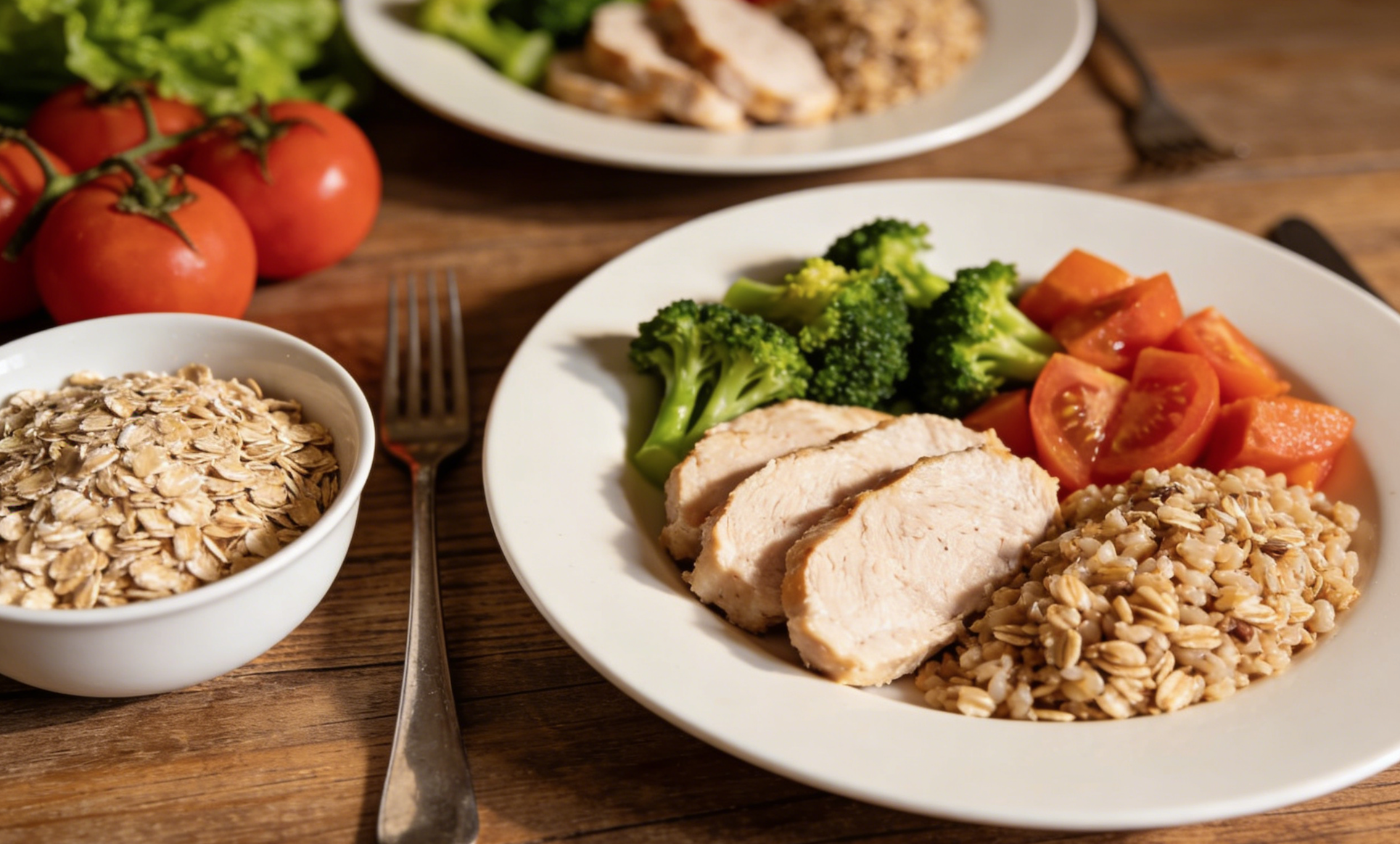
Dietary Guidelines for Patients with Hyperglycemia: Key Foods to Eat and Principles to Avoid
This article provides scientific dietary guidance for patients with high blood sugar, detailing seven key dietary recommendations and seven dietary restrictions. By adjusting the dietary structure appropriately, such as controlling calorie intake and choosing low-glycemic foods, it is helpful to effectively control blood sugar levels and achieve long-term stable blood sugar management.
2026-01-20
The Importance of Emotional Stability in Blood Sugar Control and Relaxation Techniques
This article details how emotional fluctuations can lead to elevated blood sugar levels and worsen hyperglycemia by influencing mechanisms such as adrenaline. It provides specific relaxation techniques and emphasizes that maintaining emotional stability through psychological adjustment is crucial for achieving better blood sugar control in patients with hyperglycemia.
2026-01-20