
Blood Pressure

Preventing and managing hypertension: Five healthy lifestyle habits to help you effectively control your blood pressure
This article details five healthy lifestyle habits for preventing and managing hypertension, including non-drug therapies such as a balanced diet and regular exercise. Following these recommendations helps manage health from its source and has long-term benefits for preventing hypertension and helping to stabilize and lower blood pressure.
2026-01-21
Combining antihypertensive medication with lifestyle changes: A two-pronged strategy for hypertension management
This article explains that in the treatment of hypertension, antihypertensive medications need to be combined with lifestyle modifications, including non-pharmacological interventions such as weight control and dietary adjustments. This "two-pronged approach" can more effectively assist in controlling blood pressure and achieve long-term stable management of blood pressure levels.
2026-01-20
Holiday Health Care for Hypertension Patients: Four Key Points to Help You Have a Peaceful Holiday
This article provides a health guide for patients with hypertension during the holidays, covering four key aspects: emotions, diet, keeping warm, and medication. It aims to help patients effectively control their blood pressure during the holiday season, avoid fluctuations caused by lifestyle changes, and ensure a safe and healthy holiday.
2026-01-20
Is hypertension the leading cause of coronary heart disease in Chinese people? The importance of balanced blood pressure control.
This article reveals that hypertension has become the leading risk factor for coronary heart disease in Chinese people, emphasizing the importance of stabilizing blood pressure through balanced blood pressure control, especially controlling morning blood pressure fluctuations, in order to effectively prevent cardiovascular and cerebrovascular complications.
2026-01-20
How does lifestyle affect high blood pressure? Five adjustments to help stabilize your blood pressure.
This article explores the impact of lifestyle on hypertension, analyzing how non-pharmacological interventions such as weight loss, salt restriction, and exercise can effectively lower and stabilize blood pressure. Understanding and implementing these adjustments can help hypertensive patients better manage their blood pressure levels.
2026-01-20
Essential reading for people with hypertension: Weight loss, quitting smoking, and limiting alcohol consumption are crucial for controlling blood pressure.
This article explores in detail the crucial roles of weight loss, smoking cessation, and alcohol limitation in blood pressure management. Studies have shown that being overweight and drinking alcohol are significant risk factors for elevated blood pressure, and that scientific weight loss and strict alcohol limitation can effectively lower blood pressure. These non-pharmacological interventions have significant benefits for hypertensive patients in controlling blood pressure and preventing complications.
2026-01-20
Blood Sugar
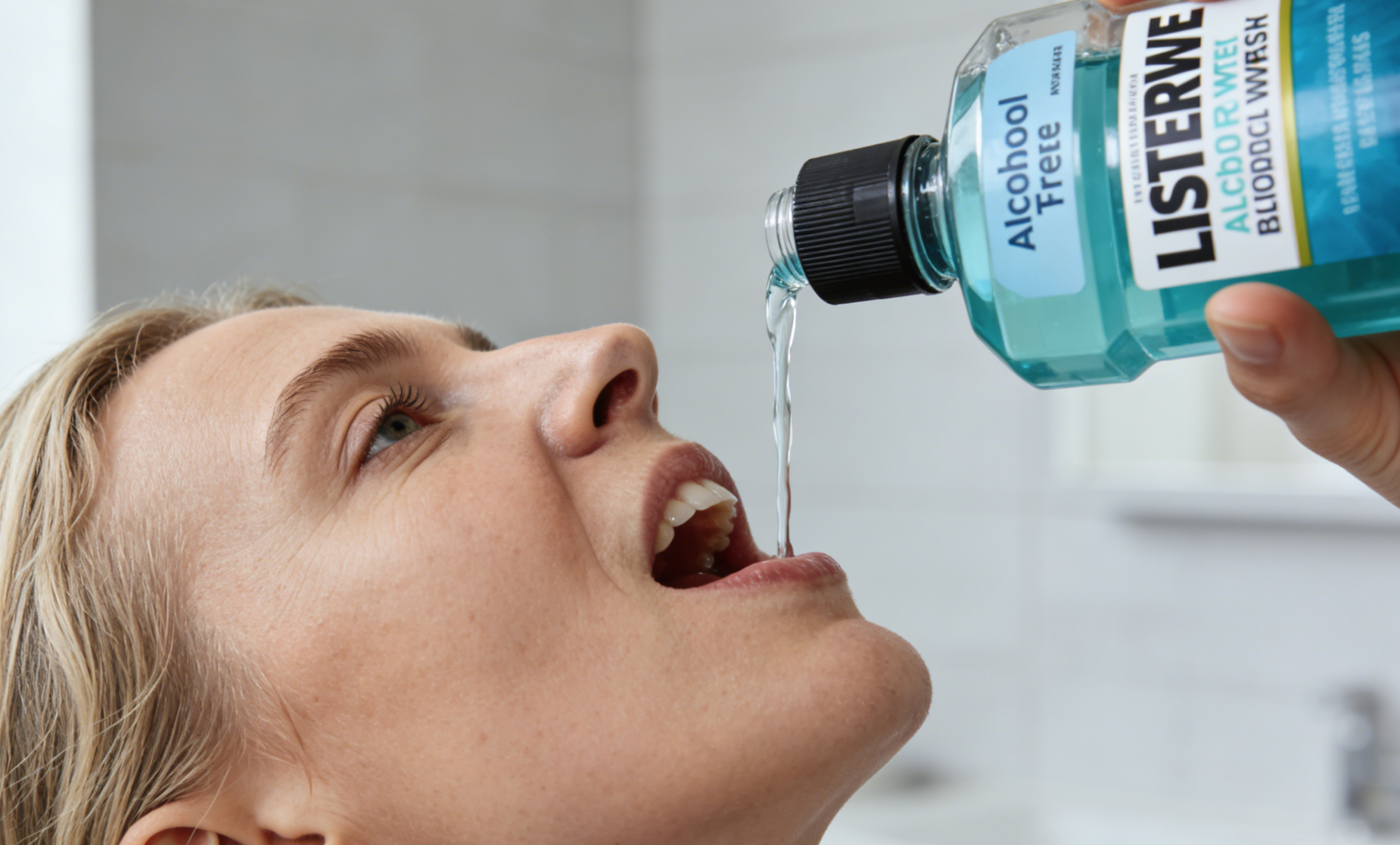
Daily Care Guidelines for Patients with Hyperglycemia: Key Points for Bowel Movements, Oral and Eye Health
This article provides three key aspects of daily care for patients with high blood sugar: developing good bowel habits, paying attention to oral hygiene to prevent complications, and scientifically protecting the eyes to prevent retinopathy. These measures help stabilize blood sugar levels and are important components of comprehensive blood sugar control and long-term health maintenance.
2026-01-20
Detailed Explanation of Clinical Classification, Diagnosis, and Blood Glucose Control Standards for Hyperglycemia
This article provides a detailed analysis of the three clinical classifications of hyperglycemia (latent, chemical, and clinical) and their diagnostic methods, clarifying the satisfactory standards and management goals for blood glucose control. Understanding these classifications and standards will help in conducting more scientific blood glucose monitoring and achieving effective blood glucose management.
2026-01-20
Psychological Taboos in Hyperglycemia Management: How to Avoid Negative Mindset Affecting the Condition
This article explores negative mindsets that patients with hyperglycemia should avoid, such as complacency, fear, and jealousy, as these emotions can exacerbate blood sugar fluctuations. It emphasizes that cultivating a positive mindset and cooperating with treatment are crucial for stabilizing blood sugar and form the psychological foundation for achieving long-term effective blood sugar control.
2026-01-20
How does psychological stress affect blood sugar? A guide to stress management for patients with hyperglycemia.
This article explores how psychological stress affects blood glucose levels in patients with hyperglycemia, explaining the mechanism by which stress hormones cause elevated blood glucose. It also provides practical methods for identifying and alleviating stress, helping patients achieve more stable blood glucose control through effective emotional management.
2026-01-20
The Importance of Emotional Stability in Blood Sugar Control and Relaxation Techniques
This article details how emotional fluctuations can lead to elevated blood sugar levels and worsen hyperglycemia by influencing mechanisms such as adrenaline. It provides specific relaxation techniques and emphasizes that maintaining emotional stability through psychological adjustment is crucial for achieving better blood sugar control in patients with hyperglycemia.
2026-01-20
Dietary Guidelines for Patients with Hyperglycemia: Key Foods to Eat and Principles to Avoid
This article provides scientific dietary guidance for patients with high blood sugar, detailing seven key dietary recommendations and seven dietary restrictions. By adjusting the dietary structure appropriately, such as controlling calorie intake and choosing low-glycemic foods, it is helpful to effectively control blood sugar levels and achieve long-term stable blood sugar management.
2026-01-20
Blood Lipids

Does dizziness in the elderly require a blood lipid test? Clarifying that lower cholesterol isn't always better.
This article explores the potential link between dizziness and dyslipidemia in the elderly, clarifying the common misconception that "the lower the cholesterol, the better." It elucidates the essential physiological functions of cholesterol and emphasizes the importance of scientifically managing and maintaining a balanced blood lipid level for the prevention of cardiovascular and cerebrovascular diseases.
2026-01-20
Seven Dietary Principles for Lowering Blood Lipids Through a Scientific Diet:
This article details seven core dietary principles for patients with hyperlipidemia, including reducing saturated fat and increasing unsaturated fatty acid intake. These methods can effectively help lower blood lipids. Following a scientific diet is fundamental to managing and lowering blood lipid levels, and its effectiveness is enhanced when combined with medication.
2026-01-20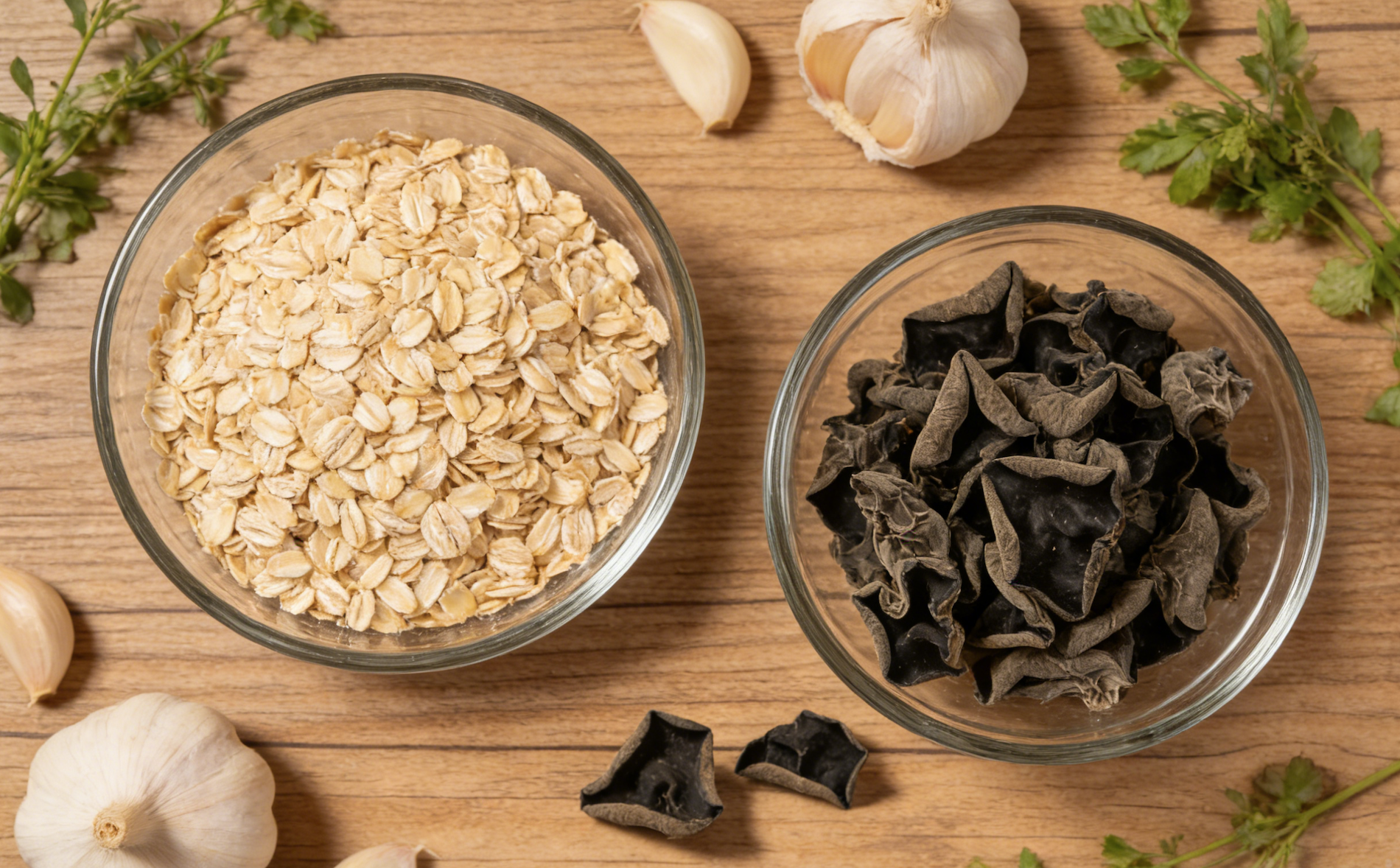
Oatmeal and Black Fungus: How Two Natural Foods Help Regulate Blood Lipids
This article introduces the significant benefits of oats and black fungus, two natural foods, for regulating blood lipids. Oats are rich in beta-glucan, which can effectively lower cholesterol; black fungus can inhibit platelet aggregation and reduce blood viscosity. Scientifically consuming these two foods is a healthy dietary choice for assisting in the management and optimization of blood lipid levels.
2026-01-20
How does moderate consumption of low-alcohol beverages affect blood lipids? A scientific analysis of its advantages and disadvantages.
This article explores the potential benefits of moderate consumption of low-alcohol beverages (such as red wine) on blood lipids, such as increasing levels of "good" cholesterol (high-density lipoprotein) and helping to regulate blood lipids. It also emphasizes the need for strict control of intake (less than 50 grams per day), as excessive consumption can be harmful, providing a scientific dietary reference for managing blood lipids.
2026-01-20
How does plant fiber help lower blood lipids? A breakdown of soluble and insoluble fiber.
This article details how soluble and insoluble plant fibers effectively help lower blood lipids by promoting cholesterol excretion and reducing absorption. Understanding foods rich in plant fiber and consuming them appropriately is an important dietary strategy for scientifically regulating and managing blood lipid levels.
2026-01-20
Vegetable oils help lower blood lipids: A guide to scientific selection and consumption.
This article details how common vegetable oils, rich in unsaturated fatty acids, can effectively help patients with hyperlipidemia lower "bad" cholesterol and total cholesterol, thus aiding in the improvement of blood lipid levels. Scientifically selecting and consuming vegetable oils in moderation is an important dietary strategy for regulating blood lipids and preventing atherosclerosis.
2026-01-20