
Detailed Explanation of Clinical Classification, Diagnosis, and Blood Glucose Control Standards for Hyperglycemia
Clinical Classification: Hyperglycemia can be classified into three types during its development: latent hyperglycemia, chemical hyperglycemia, and clinical hyperglycemia. Latent hyperglycemia is the incubation period of diabetes and generally has no specific symptoms. Chemical hyperglycemia usually does not present with clinical symptoms of diabetes, and fasting blood glucose is normal. However, it may present with postprandial hyperglycemia and glycosuria, along with symptoms of diabetic complications such as peripheral neuropathy or macrovascular disease. Clinical hyperglycemia presents with typical diabetic symptoms, including elevated fasting blood glucose, and can be diagnosed without a glucose tolerance test.
Clinical hyperglycemia is further divided into three categories: juvenile-onset, adult-onset, and young-onset. Juvenile-onset hyperglycemia, also known as insulin-dependent hyperglycemia, requires insulin treatment to prevent ketoacidosis. Adult-onset hyperglycemia, also known as insulin-independent hyperglycemia, generally does not require insulin treatment. Young-onset and adult-onset hyperglycemia are milder forms of hyperglycemia with dominant genetic characteristics.
Diagnostic and Control Criteria: The simplest method for diagnosing hyperglycemia is to check urine glucose. A normal adult excretes 32-39 mg of glucose in their urine daily. Diabetes mellitus (GD) refers to the excretion of more than 150 mg of glucose in the urine, which is reflected in a glucose tolerance test. The highest urinary glucose concentration occurs 2 hours after a meal. In hyperglycemia, urinary glucose is directly proportional to blood glucose levels; glucose will be present in the urine when blood glucose exceeds 160% (CW/W).
In individuals with good blood glucose control, 24-hour urinary glucose levels are generally below 5 grams, while those with poor control often have levels above 5 grams. Generally, 5 grams is used as the control standard in short-term clinical practice, but it is difficult to maintain urinary glucose below 5 grams for long-term treatment. Therefore, for mild cases, 24-hour urinary glucose should be controlled at 5-10 grams, and for severe cases, at 10-20 grams, not exceeding 25 grams. While complications may still occur if this standard is achieved, they are not severe.
A satisfactory standard for blood glucose control is a fasting blood glucose level not exceeding 130% (CW/W). Elderly individuals often have lower renal thresholds for blood glucose, so urinary glucose may not reflect blood glucose levels, thus requiring fasting blood glucose testing.

How do dietary habits affect blood lipids? A scientific diet is key to managing blood lipids.
This article, through experimental and epidemiological studies, demonstrates that a high-fat diet increases blood lipids and accelerates arteriosclerosis, while a diet rich in plant-based fats helps lower blood lipid levels. Developing healthy eating habits is the cornerstone of scientifically managing blood lipids and preventing cardiovascular disease.
2026-01-20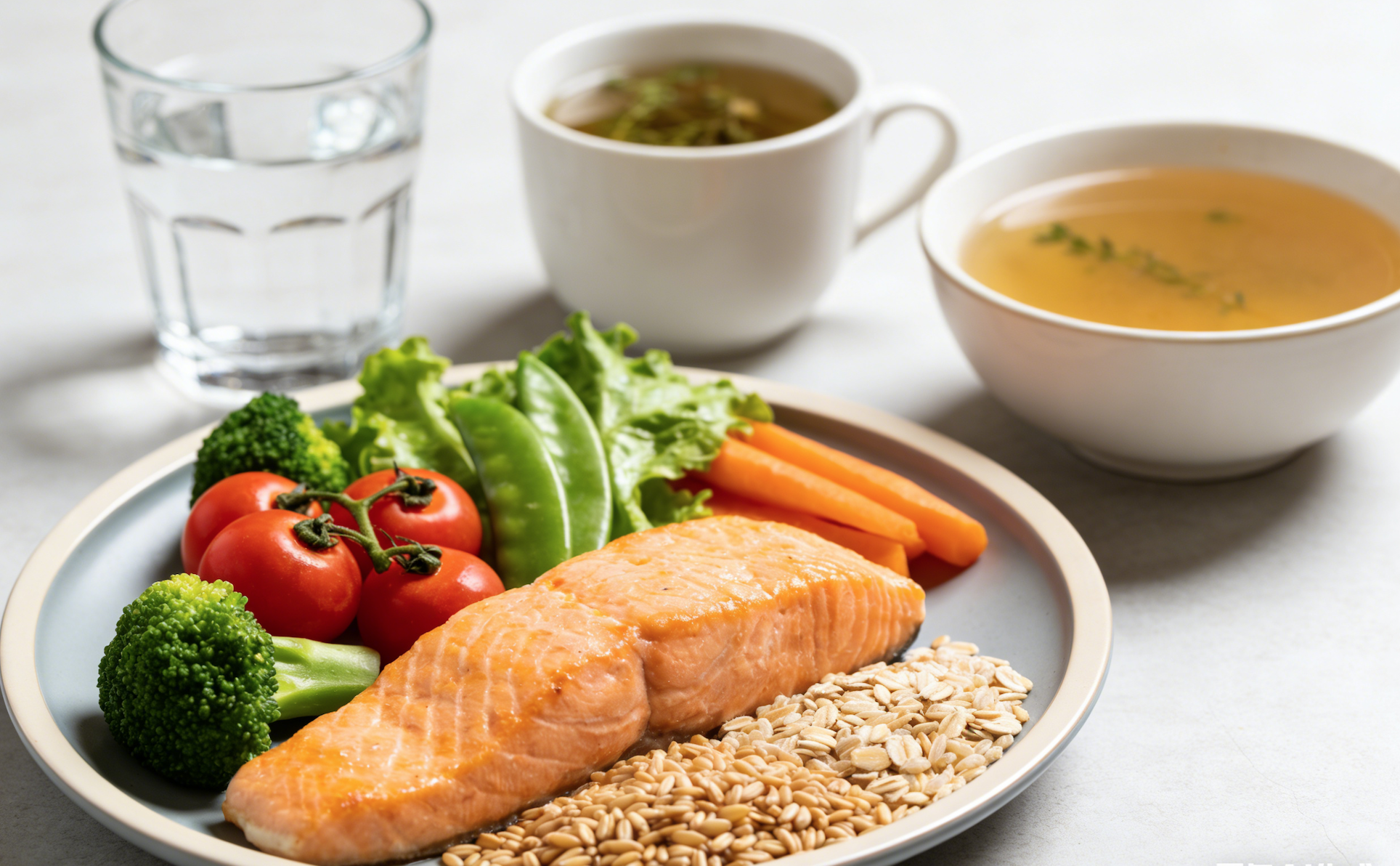
Seven Dietary Principles for Lowering Blood Lipids Through a Scientific Diet:
This article details seven core dietary principles for patients with hyperlipidemia, including reducing saturated fat and increasing unsaturated fatty acid intake. These methods can effectively help lower blood lipids. Following a scientific diet is fundamental to managing and lowering blood lipid levels, and its effectiveness is enhanced when combined with medication.
2026-01-20
Vegetable oils help lower blood lipids: A guide to scientific selection and consumption.
This article details how common vegetable oils, rich in unsaturated fatty acids, can effectively help patients with hyperlipidemia lower "bad" cholesterol and total cholesterol, thus aiding in the improvement of blood lipid levels. Scientifically selecting and consuming vegetable oils in moderation is an important dietary strategy for regulating blood lipids and preventing atherosclerosis.
2026-01-20