
Protein Intake and Hypertension: Benefits of High-Quality Protein and the Principle of Moderation
Protein:
Protein is the most important material basis for life activities. From the composition of every cell to the structure of the human body, from growth and development to the repair of damaged tissues, from metabolism to the formation of enzymes, immune mechanisms, and hormones, from maintaining vitality to delaying aging and prolonging life, protein is indispensable.
In recent years, scholars at home and abroad have conducted in-depth research on the relationship between protein intake and hypertension. Results show that increased intake of high-quality protein reduces the incidence of hypertension. Even with a high-sodium diet, as long as high-quality animal protein is consumed, blood pressure does not rise. Japan has seen a significant decrease in the mortality rate from cerebrovascular diseases in recent years, which is related to the increased intake of animal protein such as meat, eggs, and dairy products in the Japanese diet. Fishermen in some coastal areas work at sea for long periods, experience high levels of stress, sleep deprivation, and generally consume large amounts of alcohol and tobacco, with high salt intake. Although they have many risk factors for hypertension, fishermen have a relatively low prevalence of hypertension, as well as lower incidences of coronary heart disease and cerebrovascular disease. Experts believe this is related to their high protein intake and high levels of unsaturated fatty acids in their diet.
The mechanism by which high-quality animal protein prevents hypertension may be through promoting sodium excretion, protecting blood vessel walls, or through the role of amino acids in blood pressure regulation (such as affecting neurotransmitters or sympathetic nerve excitability). Therefore, it is not advisable to solely emphasize a vegetarian diet to prevent hypertension in daily life. We should appropriately choose animal protein in our diet, such as chicken, duck, fish, and milk, especially high-quality fish.
While protein plays a role in preventing hypertension, the possibility of it acting as a pressor factor cannot be completely ruled out from a metabolic perspective. During protein breakdown, some amines with pressor effects, such as tryptamine and phenylethylamine, can be produced. When kidney function is normal, these substances can be further oxidized into aldehydes and excreted by the kidneys. However, in cases of renal insufficiency or renal hypoxia, amines can accumulate, potentially exhibiting a pressor effect. Furthermore, the three major nutrients in the human body—protein, fat, and carbohydrates—can be interconverted. Excessive protein intake and high calorie intake can, over time, lead to obesity, arteriosclerosis, and also high blood pressure. Therefore, people should consume protein appropriately.
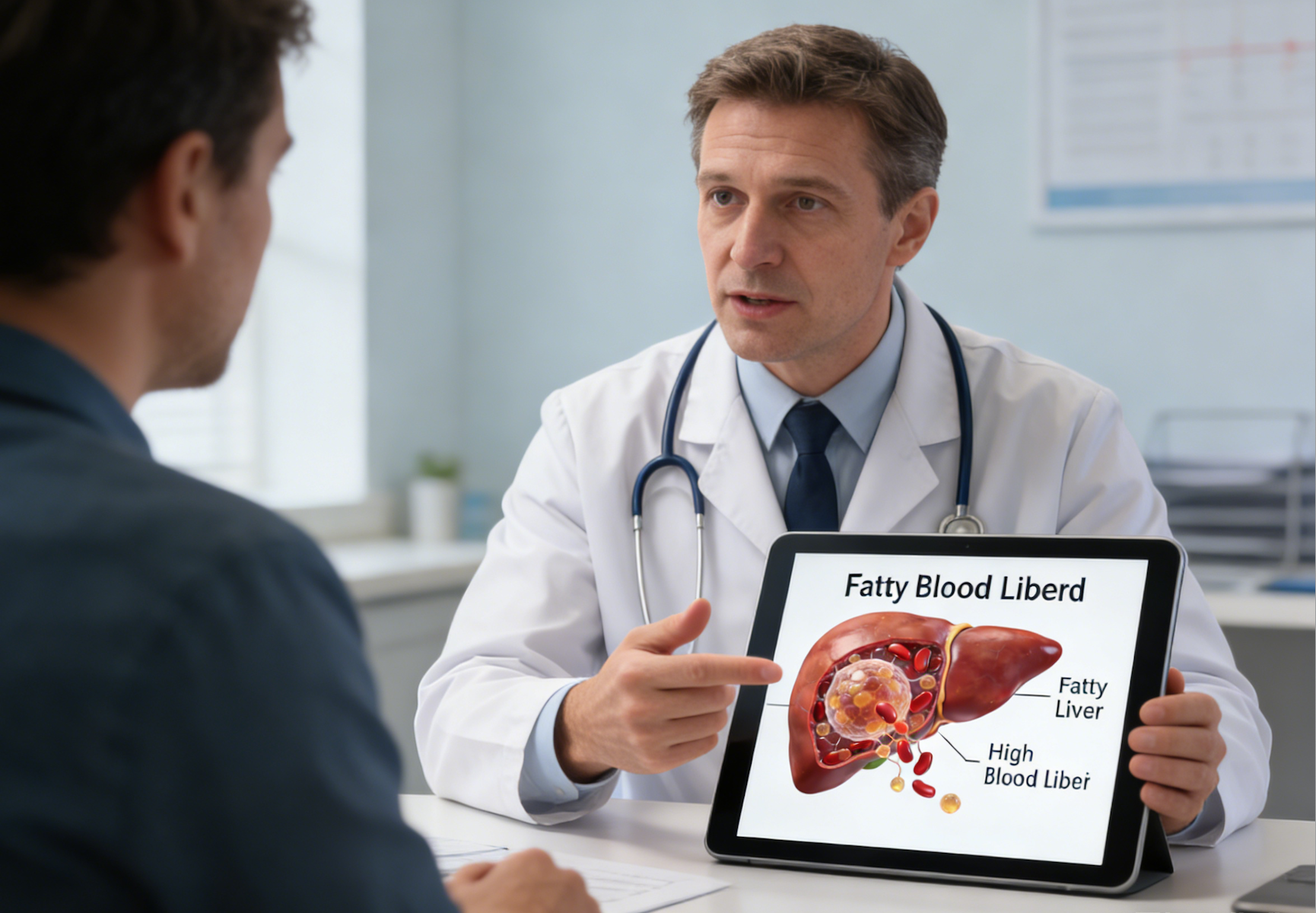
The "Brotherly Relationship" Between Fatty Liver and Hyperlipidemia: A Comprehensive Analysis from Causes to Prevention and Treatment
This article details the close, sibling-like relationship between fatty liver and hyperlipidemia, explaining their common causes, harms, and diagnostic methods. Understanding how fatty liver reflects abnormal blood lipids is crucial for early intervention and scientific management of blood lipids and liver health.
2026-03-05
Guidelines on the timing of blood lipid testing: High-risk groups should undergo blood lipid screening as early as possible.
This article emphasizes that blood lipid tests should be conducted as early as possible, and not wait until the condition worsens. Understanding whether you belong to a high-risk group and having regular blood lipid tests helps to detect abnormal blood lipids early and manage them scientifically.
2026-03-05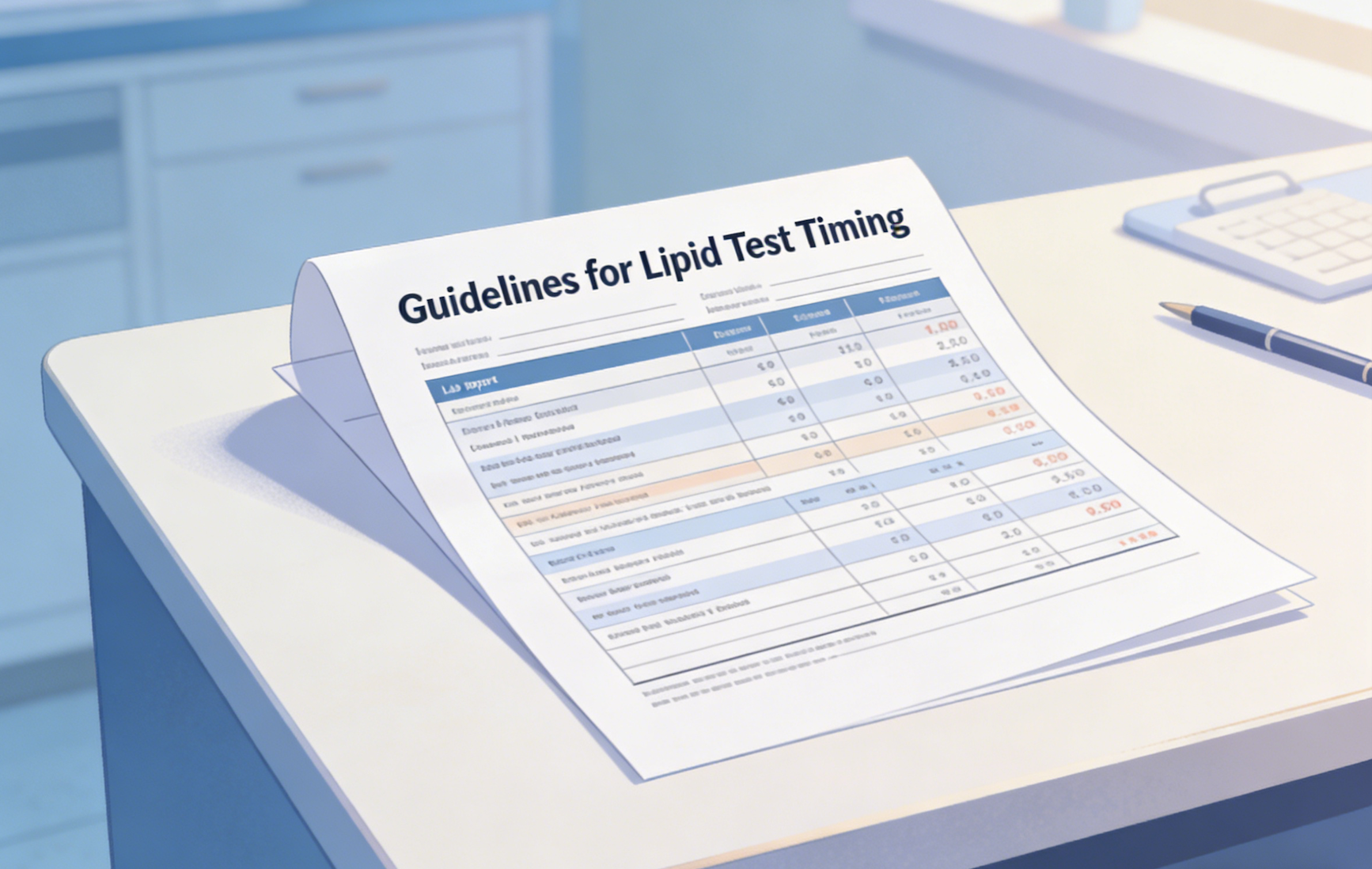
Detailed Explanation of Blood Lipid Test Reports: Symbols, Normal Ranges, and Clinical Significance
This article provides a detailed explanation of the English symbols and normal value ranges on a blood lipid test report, and clarifies the clinical significance of abnormal indicators. Learning to interpret test reports is an important step in managing blood lipid health, monitoring blood lipid levels, and preventing related diseases.
2026-03-05