
Weight Loss and Meridian Unblocking: A Guide to the Six-Character Formula for Lowering Blood Pressure and Maintaining Health in People with Hypertension
The "Six-Character Formula" is a blood pressure-lowering exercise. This exercise involves silently reciting the sounds of "Xu," "He," "Hu," "Si," "Chui," and "Xi" while performing corresponding movements. The aim is to clear the meridians, harmonize the internal organs, balance Yin and Yang, and lower blood pressure. The Six-Character Formula can be practiced in sequence, or one or two sounds can be practiced. It can be practiced long-term or individually depending on the season.
(1) "Xu" Exercise: Stand naturally with feet shoulder-width apart, knees slightly bent, waist and hips relaxed, chest slightly concave, back straight, shoulders relaxed, elbows slightly bent, eyes looking straight ahead, breathing naturally, and gradually entering a state of tranquility. Use abdominal breathing, exhaling first and then inhaling. When exhaling, pronounce "Xu" (pronounced "xu") while simultaneously contracting the abdomen and buttocks, lifting the perineum, and shifting the center of gravity to the heels. When inhaling, lightly close the lips, touch the upper palate with the tongue, relax the whole body, allow the abdomen to naturally rise, and naturally inhale air. Place both hands on the lower abdomen, with the inner and outer Laogong acupoints facing each other, and the Laogong acupoints aligned with the lower Dantian. Open your eyes wide and begin to exhale while saying "Xu" (嘘). Exhale completely, then inhale naturally. Repeat this "Xu" sound six times for one set. After one set, regulate your breathing. Raise both arms naturally, backs of hands facing up, shoulders naturally drooping, shoulders, elbows, and wrists relaxed. Keep your hands no higher than shoulder height. Then externally rotate your arms, turning your palms upwards. Draw your arms forward in an arc, bringing your fingertips together without touching, palms down, and slowly direct the Qi towards the Tanzhong and lower Dantian acupoints.
(2) He Gong (呵功): Separate your feet, shoulder-width apart. Slightly bend your knees, keep your head upright and neck straight, chest slightly concave, abdomen tucked in, and arms hanging naturally, lightly resting on the outside of your thighs. Relax your whole body, slightly open your eyes, and look straight ahead. Those with weak constitutions can also use a seated position. Exhale while contracting your abdomen, lifting your anus, retracting your testicles, shifting your weight backward, pushing off with your heels, and lightly touching the ground with your toes; inhale while gently closing your lips, touching your palate with your tongue, and letting your abdomen rise. Breathe naturally and evenly, inhaling through your nose and exhaling through your mouth. After regulating your breathing, slowly raise both hands to your chest and ribs. When your hands reach your chest, loosely clench them into fists and forcefully strike each other inward in front of your chest, ensuring the fists don't touch. When the fists reach the midline of your chest, retract them to the left and right, then strike and retract again, repeating 6 times. After striking, naturally spread your fingers in front of your chest. First, turn your right palm inward and lift your right hand upward as if lifting a heavy object; simultaneously, first turn your left palm inward and then downward, pressing your left hand down. As your right hand slowly rises, slowly tilt your head to the right, slightly tilting it upward and to the right, and slightly turn your upper body to the right. This entire process is the inhalation phase. Once the right hand is firmly extended, tilt the head slightly back, look up at the right arm, exhale while making a "ha" sound. Then repeat the same movement, extending the left hand and pressing down the right, 3 times in total, for a total of 6 "ha" sounds. After exhaling, retract the left hand and raise the right hand, crossing them at the stomach area, forming a ball shape with both hands. Slightly lower both hands together to the dantian (lower abdomen), focusing the mind on the dantian, and remain still for 3 minutes. Then, slowly raise both hands with fingers interlaced to the chest, turning the palms from the inside out, and slowly raise them to the head, inhaling as you raise them. Once the hands are held, tilt the head back as far as possible, focusing the eyes on the back of the hands, and exhale forcefully. After exhaling, slowly lower both hands, returning the head to the normal position. As the hands move down, turn the palms inward and upward, rotating 360 degrees, returning to the palm-up position. When the hands are at the chest, separate them, turning the palms towards the abdomen, and move them down to the dantian, focusing the mind on the dantian for 3 minutes. Inhale throughout the entire process. Move the breath to the lower abdomen (Dantian) and exhale forcefully. Repeat the above movements three times. Then switch to normal breathing, inhaling through the nose and exhaling through the mouth, calming the mind and spirit; slightly close the eyes, gently close the lips, and touch the upper palate with the tongue; gently tap the upper and lower teeth together 36 times, more is better. During the tapping, saliva will be produced in the mouth; swallow it as much as possible. Practice once each morning and evening without interruption. Avoid anger before practicing; maintain an optimistic spirit and relax the whole body.
(3) Exhalation Exercise: Raise both hands from your sides as if supporting an object to the lower dantian, then raise them to the Zhongwan acupoint. As you exhale while saying "Hu," rotate your left hand outwards and lift it upwards, while simultaneously rotating your right hand inwards and pressing it down. While exhaling, gently touch the ground with the Yinbai acupoint on the inside of your big toe. At the end of the exhalation, raise your left hand to above your forehead (not above the top of your head), and press your right hand down to your right hip. Then, close your mouth and inhale naturally through your nose. Rotate your left forearm inwards to form a vertical palm, facing your face, and lower it in front of you. At the same time, rotate your right forearm inwards so that your palm faces your chest, with your fingertips pointing upwards along your chest. Cross your hands in front of your chest, left hand outside, right hand inside. At the end of the inhalation, then raise your right palm upwards and lower your left palm downwards, exhaling a second time while saying "Hu." Repeat 6 times, then perform one breath adjustment and return to the starting position.
(4) Four Exercises: Sit facing west with your feet naturally apart, shoulder-width apart. Lean your upper body slightly forward, place your hands on either side of your legs, palms open, pressing on the ground. Keep your head upright, neck straight, and body relaxed. Open your eyes slightly and look straight ahead. Use abdominal breathing. When exhaling, contract your abdomen, lift your anus, and retract your testicles. When inhaling, lightly close your lips, touch your tongue to the roof of your mouth, and let your abdomen rise. Breathe naturally and evenly, inhaling through your nose and exhaling through your mouth. After regulating your breathing, bend your back and lower your elbows, lowering your upper body as far as possible while inhaling. When your head is 10cm off the ground, turn your head slightly to the right and exhale, making a "ba" sound. After exhaling, slowly raise your upper body, lifting your hands with elbows bent backward, palms facing inward, as if holding a ball. Raise your hands to chest level, then naturally separate them, and raise your head to the upper right. Inhale throughout the entire process. Once the head is raised and stationary, exhale while making the sound "ba". Then, bring both hands back to chest level, palms down, then turn inwards. Slowly bend forward, pressing your palms to the ground, inhaling as you bend. When your head is about 10cm off the ground, turn your head slightly to the left, raise your hands, and repeat the previous movement in front of your chest, lifting them to the sides. Simultaneously, tilt your head upwards to the left while inhaling. Once the head is raised and stationary, exhale while making the sound "ba". Repeat this 3 times, making a total of 6 "ba" sounds. Next, clench your fists in front of your chest and strike your back from top to bottom. Resume normal breathing, but still inhale through your nose and exhale through your mouth; calm your emotions and quiet your mind; slightly close your eyes, gently close your lips, and touch your upper palate with your tongue; gently tap your upper and lower teeth together 36 times, generating saliva in your mouth, then swallow.
This exercise is best practiced once in the morning and once in the evening. Practitioners should maintain a calm mind and a relaxed body. When pronouncing the sound "four," the tone should be long, continuing until the breath is exhausted. If ill, pronounce "ba" loudly and quickly; if healthy, pronounce "four" softly and slowly. The "ba" sound should not be pronounced too forcefully; the practitioner should not be able to hear it themselves. The pronunciation of "ba" should be experienced through intention. When exhaling and uttering the "ba" sound, guide the breath with intention, from the outer side of the big toe to the inner side of the leg, around the genitals to the lower abdomen and then to the lungs. When practicing this exercise, the eyes should be slightly open, but after pronouncing "ba," when adjusting the breath, it is advisable to close the eyes and concentrate.
(5) Blowing Exercise: With fingertips pointing downwards, raise both hands to the chest, then draw an arc forward, spreading them out. The fingertips should be touching in front of the chest, forming a ball shape. While exhaling, pronounce "blow," simultaneously bending the knees and squatting down, lowering the ball while keeping the body as upright as possible, ensuring the vertical line from the knee joint does not exceed the toes. Lift the anus and contract the kidneys, pull the lower abdomen back as much as possible, and lift the buttocks. Young people should hug their knees, while the elderly and weak should hug their lower abdomen and exhale completely. Then, with the inhalation, stand up. After inhaling completely, stand upright as in the preparatory position, rest briefly, and exhale a second time. Repeat this six times for one set.
(6) "Xi Gong" (嘻功): Raise both arms, palms facing up, fingertips touching as if holding something. Raise to the chest (CV17), then rotate both arms inward, turning palms outward. Exhale while lifting upward, saying "Xi". Lift to above the head, fingertips touching, and exhale completely. Next, rotate both arms outward, palms facing inward, and lower them across the face and chest to the breasts, with the Laogong acupoints aligned with the Ruzhong acupoints, fingertips touching. Then turn fingertips downward, and let hands hang naturally at the sides. Repeat the second exhalation, for a total of six sets.
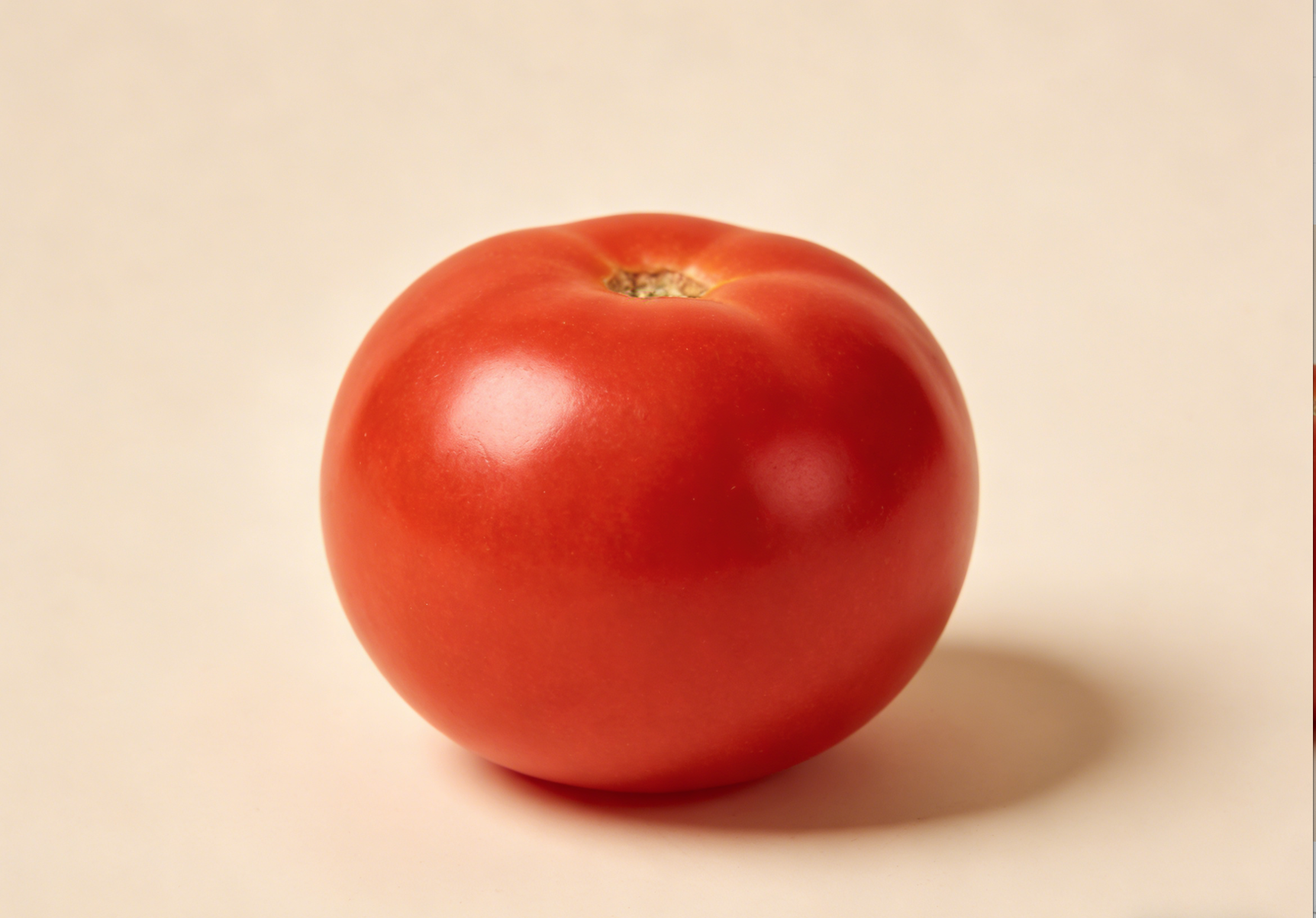
Tomatoes and soybean sprouts: Two ingredients for regulating blood pressure, blood sugar, and cholesterol, and healthy recipes.
This article details how lycopene in tomatoes and dietary fiber in soybean sprouts can help control high blood pressure, high blood sugar, and high cholesterol. It provides dietary therapy methods and healthy recipes for hypertension and diabetes, offering scientific dietary choices for your daily management of these conditions.
2026-03-05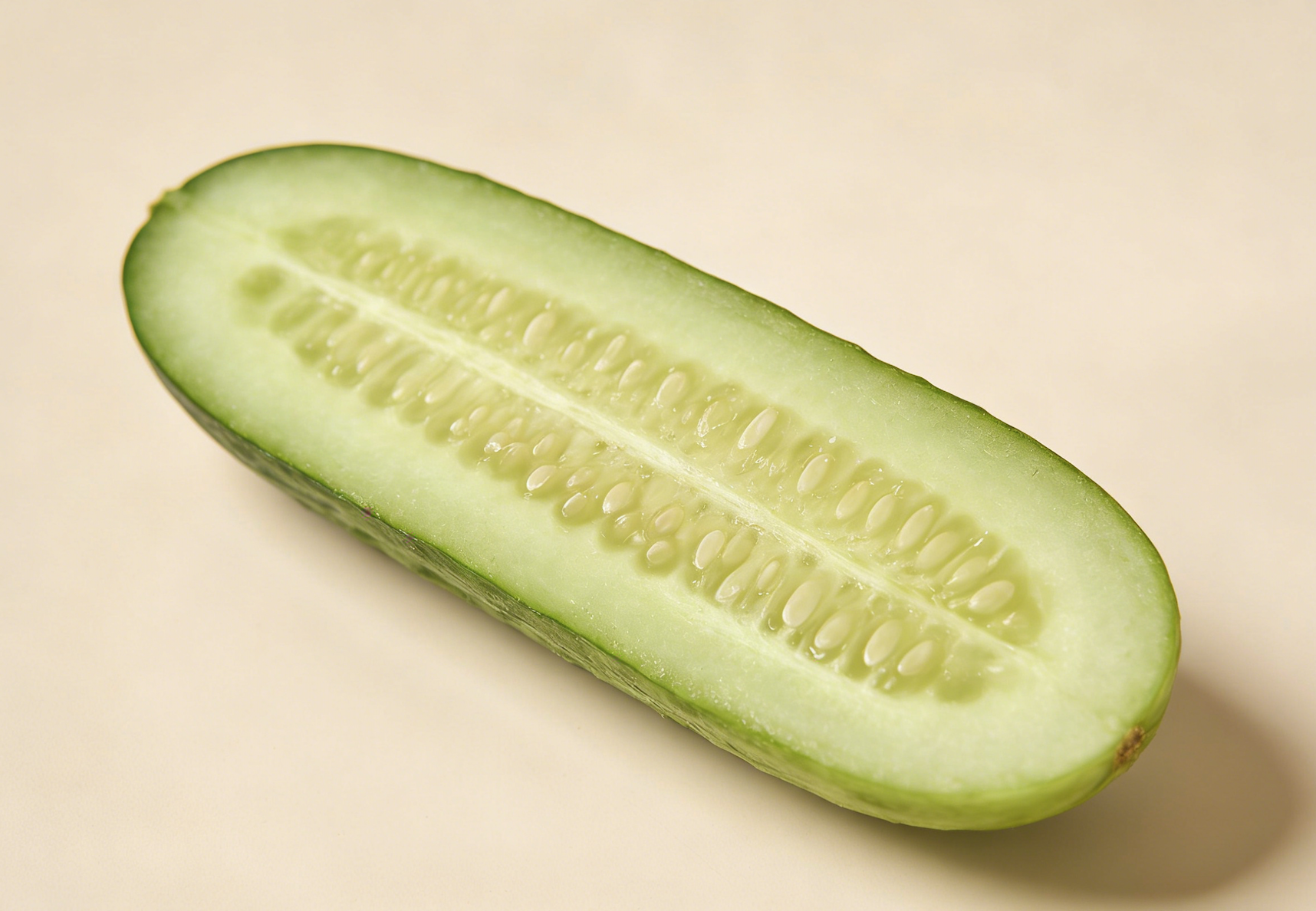
Analysis of the three major benefits of cucumber in regulating blood pressure, blood sugar, and cholesterol, and recommendations for healthy recipes.
This article details the effects of cucumbers, through their sterols and dietary fiber, on lowering cholesterol, regulating blood pressure and blood sugar, thus aiding in the management of "three highs" (hypertension, hyperlipidemia, and hyperglycemia). It also provides dietary remedies for hypertension and healthy recipes such as stir-fried cucumber blossoms with shredded chicken, offering delicious options for daily dietary management of "three highs."
2026-03-05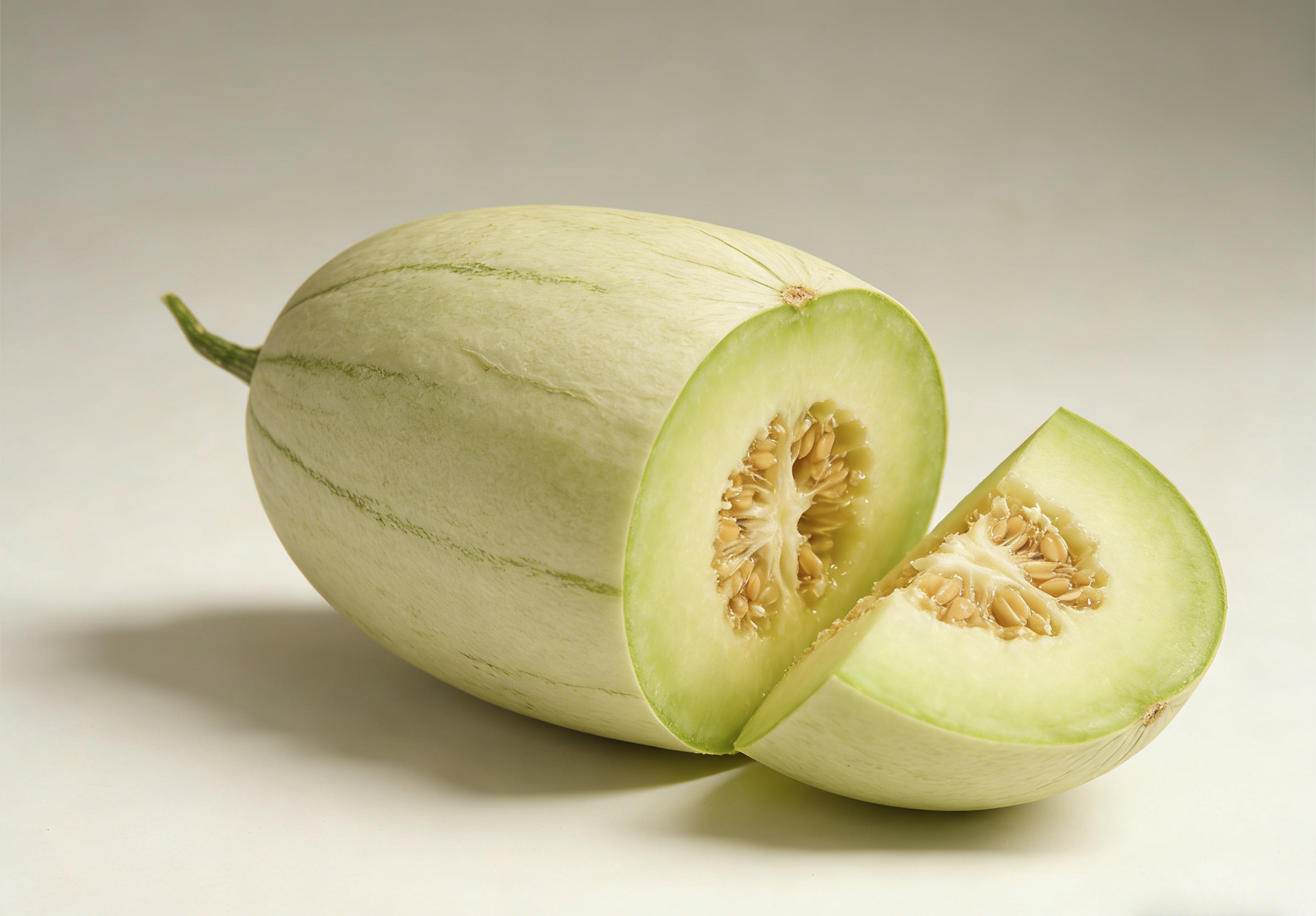
Analysis of the effects of winter melon and loofah in lowering blood pressure, blood sugar, and cholesterol, and recommended healthy recipes.
This article details the effects of winter melon and loofah on regulating "three highs" (high blood pressure, high blood sugar, and high cholesterol) through their high potassium and low sodium content. It provides dietary therapy for diabetes and hypertension, as well as healthy recipes such as steamed winter melon soup, offering practical guidance for daily dietary management of "three highs".
2026-03-05