
Seven Dietary Principles for Lowering Blood Lipids Through a Scientific Diet:
Dietary principles for patients with hyperlipidemia should be understood as follows: Dietary therapy is the foundation of hyperlipidemia treatment. Regardless of whether medication is used, dietary therapy must be the first step. Medication should only be used when dietary therapy is ineffective or unbearable for the patient. Dietary control should also be maintained while taking lipid-lowering drugs to enhance their effectiveness.
Reducing fat intake is the primary way to control calorie intake. The intake of animal fats such as lard, butter, fatty pork, fatty lamb, fatty beef, fatty duck, and fatty goose should be reduced, as these foods are high in saturated fatty acids, which easily deposit fat on blood vessel walls, greatly increasing blood viscosity. Saturated fatty acids promote cholesterol absorption and liver cholesterol synthesis, significantly raising serum cholesterol levels. Long-term excessive intake of saturated fatty acids can lead to elevated triglycerides and accelerate blood clotting, promoting thrombus formation.
Scientists have also discovered that the coronary heart disease mortality rate among the Inuit people of Greenland in the Arctic Circle is only 5.3%, because they primarily subsist on fishing and hunting. Their diet is exceptionally low in saturated fatty acids but exceptionally high in polyunsaturated fatty acids, primarily EPA and DHA.
EPA and DHA are found in fish oil from marine fish. Polyunsaturated fatty acids can promote a healthier fatty acid profile in the blood, reduce platelet aggregation, increase anticoagulation, and effectively reduce blood viscosity. DHA can lower blood lipids and protect the nervous system; therefore, consuming more marine fish should be strongly encouraged to protect the cardiovascular system and lower blood lipids. When cooking, use vegetable oils such as soybean oil, corn oil, sunflower oil, rapeseed oil, tea oil, and sesame oil, limiting daily oil consumption to 10-15 ml.
Rice, wheat, corn, and rapeseed contain large amounts of phytosterols, which exist in a free state in vegetable oils and do indeed have cholesterol-lowering effects; soybeans, in particular, contain phytosterols that significantly lower blood lipids. For health reasons, we should encourage the consumption of more soy products.
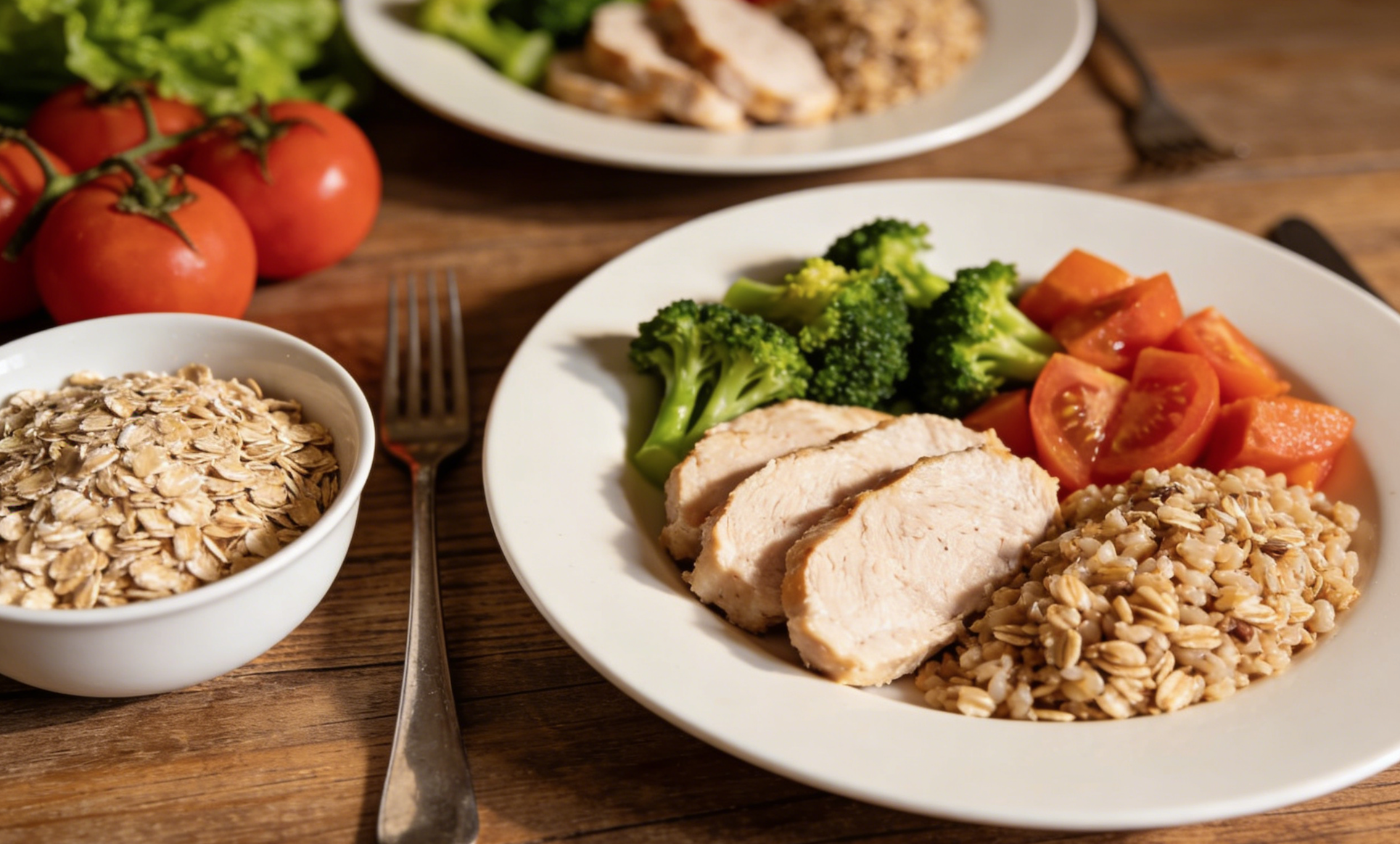
The source of protein is even more important. It mainly comes from foods such as milk, eggs, lean meat, poultry (skin removed), shrimp, fish, soybeans, and soy products. It's important to note that plant protein intake should account for more than 50% of total protein intake. Carbohydrate intake should be appropriately reduced, so excessive consumption of sugar and sweets should be controlled, as sugar can be converted into triglycerides. Each meal should be eaten until you are about 70-80% full. Eat more whole grains, such as millet, oats, cereals, and beans, as these foods are high in fiber and have a good effect on lowering blood lipids.
One point that should be of concern is that prolonged starvation can lead to increased serum triglycerides. Some patients with hyperlipidemia who use starvation therapy may actually experience accelerated fat breakdown, increased free fatty acids in the blood, and consequently, increased triglyceride levels. A domestic study of patients with hyperlipidemia found that serum triglycerides in long-term vegetarians were actually higher than those on a regular diet, therefore, a strict vegetarian diet is not suitable. Furthermore, patients with hyperlipidemia should abstain from smoking and alcohol, as the long-term effects of these substances are severely detrimental to their recovery. Eat plenty of fresh fruits and vegetables, as they are rich in vitamin C, minerals, and fiber. Vitamin C can lower β-lipoprotein and increase the activity of lipoprotein lipase, thereby lowering triglycerides. Fresh vegetables and fruits contain a lot of fiber, which can promote cholesterol excretion. Minerals have a good protective effect on blood vessels. Foods that lower cholesterol include yogurt, green tea, garlic, onions, hawthorn, mung beans, shiitake mushrooms, button mushrooms, oyster mushrooms, enoki mushrooms, wood ear mushrooms, white fungus, and monkey head mushrooms. Recent studies have found that mushrooms contain abundant cholesterol-lowering substances. Experiments have shown that when people consume animal fats, blood cholesterol levels temporarily rise. However, if shiitake mushrooms are eaten at the same time, blood cholesterol levels not only do not rise but actually decrease slightly, and it does not affect fat digestion. Foreign scholars also believe that the use of wood ear mushrooms and shiitake mushrooms in Chinese cuisine is a scientifically sound method of food pairing. Every 3-4 shiitake mushrooms contain 100 mg of lentinan, which has excellent effects on both lowering cholesterol and maintaining health.
Dietary Guidelines for Patients with Hyperglycemia: Key Foods to Eat and Principles to Avoid
This article provides scientific dietary guidance for patients with high blood sugar, detailing seven key dietary recommendations and seven dietary restrictions. By adjusting the dietary structure appropriately, such as controlling calorie intake and choosing low-glycemic foods, it is helpful to effectively control blood sugar levels and achieve long-term stable blood sugar management.
2026-01-20
The Importance of Emotional Stability in Blood Sugar Control and Relaxation Techniques
This article details how emotional fluctuations can lead to elevated blood sugar levels and worsen hyperglycemia by influencing mechanisms such as adrenaline. It provides specific relaxation techniques and emphasizes that maintaining emotional stability through psychological adjustment is crucial for achieving better blood sugar control in patients with hyperglycemia.
2026-01-20
Key to blood sugar management: Communicate frequently with medical staff and never be complacent.
This article emphasizes that diabetic patients should communicate more with medical staff to optimize treatment plans, and at the same time, should not be complacent about the dangers of high blood sugar. Understanding the mechanisms and risks of blood sugar fluctuations and actively managing blood sugar are key to controlling the disease and preventing complications.
2026-01-20