
“32 years old, no symptoms at all, but blood pressure spiked to 180/100 mmHg during a routine check-up?” “A 60-year-old man lowered his blood pressure from 155/95 mmHg to normal without medication—all thanks to 3 daily habits?” More and more such cases in the U.S. are shattering the myth that high blood pressure is just an “old person’s disease.” It’s a silent killer lurking around nearly half of American adults, regardless of age.
According to the latest clinical practice guidelines jointly released by the American Heart Association (AHA) and American College of Cardiology (ACC) in 2025, nearly 46% of U.S. adults have high blood pressure, meaning about 1 in 2 people are affected. What’s more alarming is the obvious younger trend—cases among adults aged 25-44 have increased by 23% over the past decade. High blood pressure is called the “silent killer” precisely because it often has no obvious symptoms in the early stages. Many Americans don’t realize the severity until they experience dizziness, chest tightness, or even life-threatening complications like heart attacks and strokes. Today, we’ll use plain language to help you understand the core logic of blood pressure health and share simple, effective ways to protect yourself and your family.
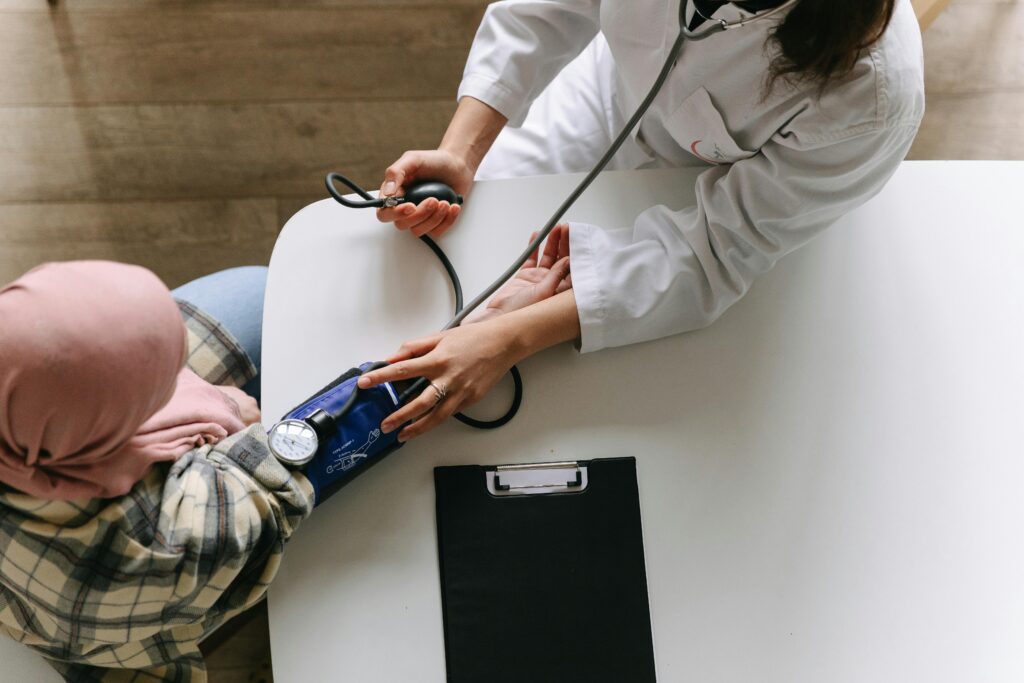
1. First, Understand: High Blood Pressure Isn’t a “Minor Issue”—It’s a Warning for Overall Health
Many Americans think, “My blood pressure is a little high, but I feel fine, so no need to worry.” This is the most dangerous misconception. Uncontrolled high blood pressure silently damages vital organs like the heart, brain, kidneys, and eyes. Over time, it makes blood vessels less elastic and brittle—like an overinflated balloon, at risk of bursting at any time. It also increases the heart’s burden, leading to heart failure and myocardial infarction, and can even impair kidney function, eventually progressing to renal failure.
It’s also crucial to note that not all high blood pressure is “primary.” Take 35-year-old Marcus from Chicago, for example—his high blood pressure was caused by primary aldosteronism, a type of secondary high blood pressure, combined with sleep apnea. For such cases, simply lowering blood pressure without addressing the root cause is not only ineffective but also delays treatment for underlying conditions. The AHA emphasizes: If your blood pressure is consistently elevated, the first step is to see a doctor promptly to determine the cause.
Remember this key standard from the 2025 AHA/ACC guidelines: Without taking blood pressure-lowering medication, if your systolic blood pressure is ≥130 mmHg and/or diastolic blood pressure is ≥80 mmHg in 3 non-consecutive measurements, you may be diagnosed with high blood pressure. Dr. Mitchell Elkind, former president of the AHA, stressed: “Know your blood pressure, control it to the target! This is not only responsible for your own life and health but also for your family and community.”
2. Practical Tips: 5 Things More Important Than Medication for Prevention and Control
For high blood pressure, prevention is always better than treatment. For those already diagnosed, scientific lifestyle interventions are just as important as medication. Studies show that many Americans can stabilize their blood pressure within the ideal range—even reduce medication dosage—by adhering to healthy habits.
- Sodium Control Is Core: Excess sodium is one of the leading causes of high blood pressure. The AHA recommends limiting daily sodium intake to less than 2,300 mg, with an ideal goal of 1,500 mg. Most Americans exceed this—often unknowingly—through processed foods like deli meats, canned soups, and frozen dinners. Instead of regular table salt, try low-sodium salt (if you have no kidney issues), check nutrition labels for hidden sodium, and avoid adding extra salt during cooking.
- Follow the DASH Diet Pattern: The AHA strongly recommends the DASH (Dietary Approaches to Stop Hypertension) eating plan for blood pressure management. Focus on eating more fruits, vegetables, whole grains, and low-fat dairy products; moderate amounts of lean protein like fish and poultry; and limit red meat, added sugars, and saturated fats. Research shows that the DASH diet can lower systolic blood pressure by 5-10 mmHg in just 2 weeks.
- Limit or Avoid Alcohol: The 2025 updated guidelines adjust alcohol recommendations—ideally, avoid alcohol entirely. Previously, the guideline suggested up to 1 drink per day for women and 2 for men, but new evidence shows even moderate drinking raises blood pressure and increases cardiovascular risk. For those who choose to drink, drastically reducing intake is non-negotiable.
- Maintain a Healthy Weight and Exercise Regularly: Losing just 5% of your body weight can significantly lower blood pressure. Aim for at least 150 minutes of moderate-intensity aerobic exercise (like brisk walking, cycling) per week, plus 2 sessions of resistance training. Even short 10-minute walks after meals can help improve blood vessel health.
- Manage Stress Effectively: Chronic stress is a major contributor to high blood pressure. Try stress-relief techniques like meditation, deep breathing, yoga, or spending time in nature. Studies show that consistent stress management can reduce systolic blood pressure by 4-6 mmHg—a meaningful difference for borderline high blood pressure.

Special reminder for specific groups: African American adults have the highest high blood pressure prevalence in the world—nearly 59% of men and 56% of women are affected. This group should pay extra attention to regular blood pressure monitoring and early intervention, as they are also at higher risk of complications. For older adults over 80, the 2025 guidelines still recommend a target blood pressure of below 130/80 mmHg for those in good health, emphasizing that early intervention brings greater benefits than delayed treatment.
Controlling blood pressure is a long-term commitment, not a one-time task. Start with small changes today—know your blood pressure numbers, adjust your diet, and stay active. Your heart and blood vessels will thank you for it.


您好,这是一条评论。若需要审核、编辑或删除评论,请访问仪表盘的评论界面。评论者头像来自 Gravatar。