
Essential reading for people with hypertension: Weight loss, quitting smoking, and limiting alcohol consumption are crucial for controlling blood pressure.
Weight Loss: Professor Wu Xigui of Fuwai Hospital, Chinese Academy of Medical Sciences, revealed that a study of 10 groups of people showed that blood pressure in most of these groups had increased over the past 10 years. Systolic blood pressure increased by an average of 2-8 mmHg; diastolic blood pressure increased by an average of 1-6 mmHg; and the body mass index (BMI) of the 10 groups increased by an average of 0.5-2 kg. This figure may indicate that the entire population is becoming obese, and also shows that hypertension is inextricably linked to diet and weight gain. A 10-20 year follow-up study found that at least 60% of overweight individuals developed hypertension, and the prevalence of hypertension in obese individuals was three times that of their age group with normal weight. Losing 4.5 kg per year can lower blood pressure in obese individuals and increase the effectiveness of antihypertensive treatment. When weight exceeds ideal weight by 10%, weight loss should be undertaken to maintain a BMI of 20-24. Currently, there are three main methods for weight loss: diet, exercise, and medication. The most common methods are controlling diet and physical exercise: this includes regular physical activity, limiting calorie intake, and increasing exercise intensity. Patients should be guided to engage in appropriate exercise based on their condition and physical status, avoiding strenuous activities such as weightlifting. A simple, easy-to-implement, and effective exercise plan can be developed with the patient, such as a 20-minute walk daily; experiments have shown that this method can lead to a weight loss of 4.5 kg per year.
Smoking cessation and alcohol limitation: Tobacco use is a serious public health and social problem worldwide, posing a significant threat to human health. Abstracts of research papers on hypertension in important international cardiovascular journals show that the mortality rate of smokers is closely related to their daily tobacco consumption. Smoking accelerates arteriosclerosis (especially in the coronary arteries) and increases platelet viscosity, making thrombosis more likely and causing myocardial infarction. Smoking also affects the effectiveness of antihypertensive treatment, weakening the protective effect of drugs against organ damage. Cardiovascular benefits can be seen after one year of quitting smoking. Alcohol consumption is positively correlated with the incidence of hypertension. Epidemiological surveys show that excessive alcohol consumption leads to hypertension; the greater the amount of alcohol consumed by men, the higher their blood pressure; limiting alcohol consumption can lower blood pressure. The incidence rate was lowest in the moderate alcohol consumption group (<30 ml per day). A study of men in the Tohoku region of Japan showed that those who consumed ≥42 ml of alcohol per day had an increased risk of cerebrovascular accidents. From the perspective of its impact on blood pressure and the prevention of cardiovascular and cerebrovascular complications, patients should be guided to control their daily alcohol consumption to be less than or equivalent to 30 ml of spirits (ethanol) or 720 ml of beer.
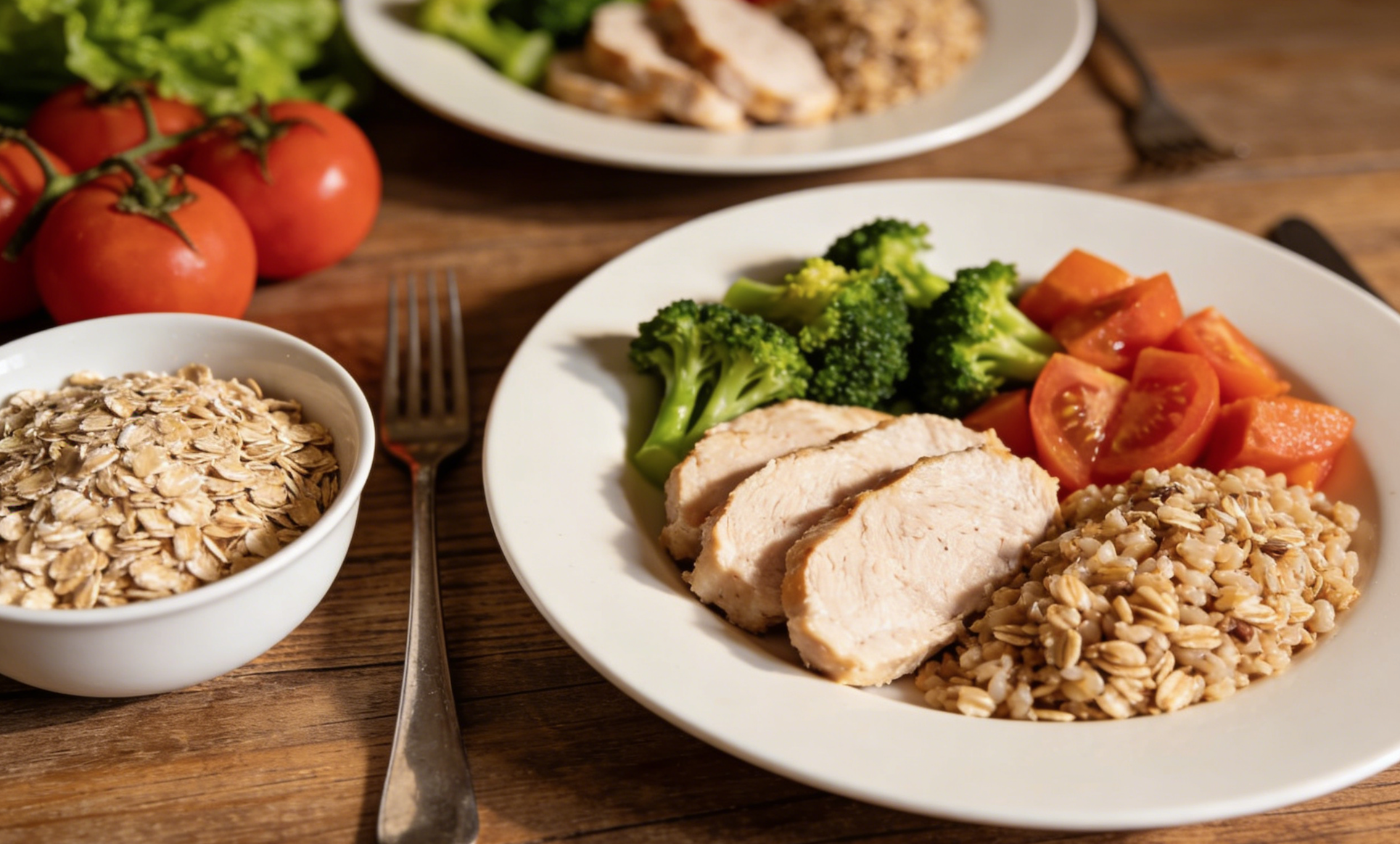
Dietary Guidelines for Patients with Hyperglycemia: Key Foods to Eat and Principles to Avoid
This article provides scientific dietary guidance for patients with high blood sugar, detailing seven key dietary recommendations and seven dietary restrictions. By adjusting the dietary structure appropriately, such as controlling calorie intake and choosing low-glycemic foods, it is helpful to effectively control blood sugar levels and achieve long-term stable blood sugar management.
2026-01-20
The Importance of Emotional Stability in Blood Sugar Control and Relaxation Techniques
This article details how emotional fluctuations can lead to elevated blood sugar levels and worsen hyperglycemia by influencing mechanisms such as adrenaline. It provides specific relaxation techniques and emphasizes that maintaining emotional stability through psychological adjustment is crucial for achieving better blood sugar control in patients with hyperglycemia.
2026-01-20
Key to blood sugar management: Communicate frequently with medical staff and never be complacent.
This article emphasizes that diabetic patients should communicate more with medical staff to optimize treatment plans, and at the same time, should not be complacent about the dangers of high blood sugar. Understanding the mechanisms and risks of blood sugar fluctuations and actively managing blood sugar are key to controlling the disease and preventing complications.
2026-01-20