
Analysis of the Causes of Hypertension and Guidelines for Scientific Prevention of High Blood Pressure
I. What is Hypertension?
Hypertension is the most common cardiovascular disease worldwide and one of the largest prevalent diseases in the population. It often causes complications in organs such as the heart, brain, and kidneys, seriously endangering human health. According to the 1999 "Guidelines for the Prevention and Treatment of Hypertension in China," the normal blood pressure range for adults is: systolic blood pressure <130 mmHg, diastolic blood pressure <85 mmHg. Blood pressure ≥140 mmHg systolic and/or ≥90 mmHg diastolic is diagnosed as hypertension.
II. How Does Hypertension Occur?
1. Heredity: Hypertension has a significant heritability. Children whose parents have hypertension have a much higher chance of developing hypertension than children whose parents have normal blood pressure.
2. Overweight or Obesity: Overweight or obese individuals have a 2-4 times higher chance of developing hypertension than those of normal weight.
3. High-Salt Diet: Salt intake is directly proportional to the risk of hypertension; that is, the more salt consumed daily, the greater the likelihood of developing hypertension.
4. Hyperlipidemia: Excess cholesterol and fat in the blood can cause atherosclerosis, which can occur not only in large blood vessels but also in small blood vessels and even capillaries, leading to hypertension.
5. Smoking: Harmful substances in cigarette smoke can damage the inner lining of arteries, causing atherosclerosis and stimulating the sympathetic nervous system, leading to arteriosclerosis and thus raising blood pressure. Smokers have a much higher rate of hypertension than non-smokers.
6. Excessive Alcohol Consumption: The greater the amount of alcohol consumed, the higher the blood pressure. Long-term excessive drinking can also cause refractory hypertension, and alcohol can also reduce the sensitivity of patients to antihypertensive drugs.
7. Psychological Factors: Long-term work fatigue, mental stress, lack of sleep, anxiety, fear, and depression can all cause hypertension.
8. Lack of Physical Exercise: A lack of physical activity over a long period, such as a sedentary lifestyle, can contribute to hypertension.

Essential Guide for Diabetics on Business Trips: How to Manage Blood Sugar and Travel Safely
This article provides a comprehensive guide for diabetic patients preparing for business trips, including pre-trip checks, medication carrying and storage, blood glucose monitoring, and managing hypoglycemia. It helps patients effectively manage their blood sugar during their travels, ensuring stable blood sugar levels and travel safety.
2026-02-27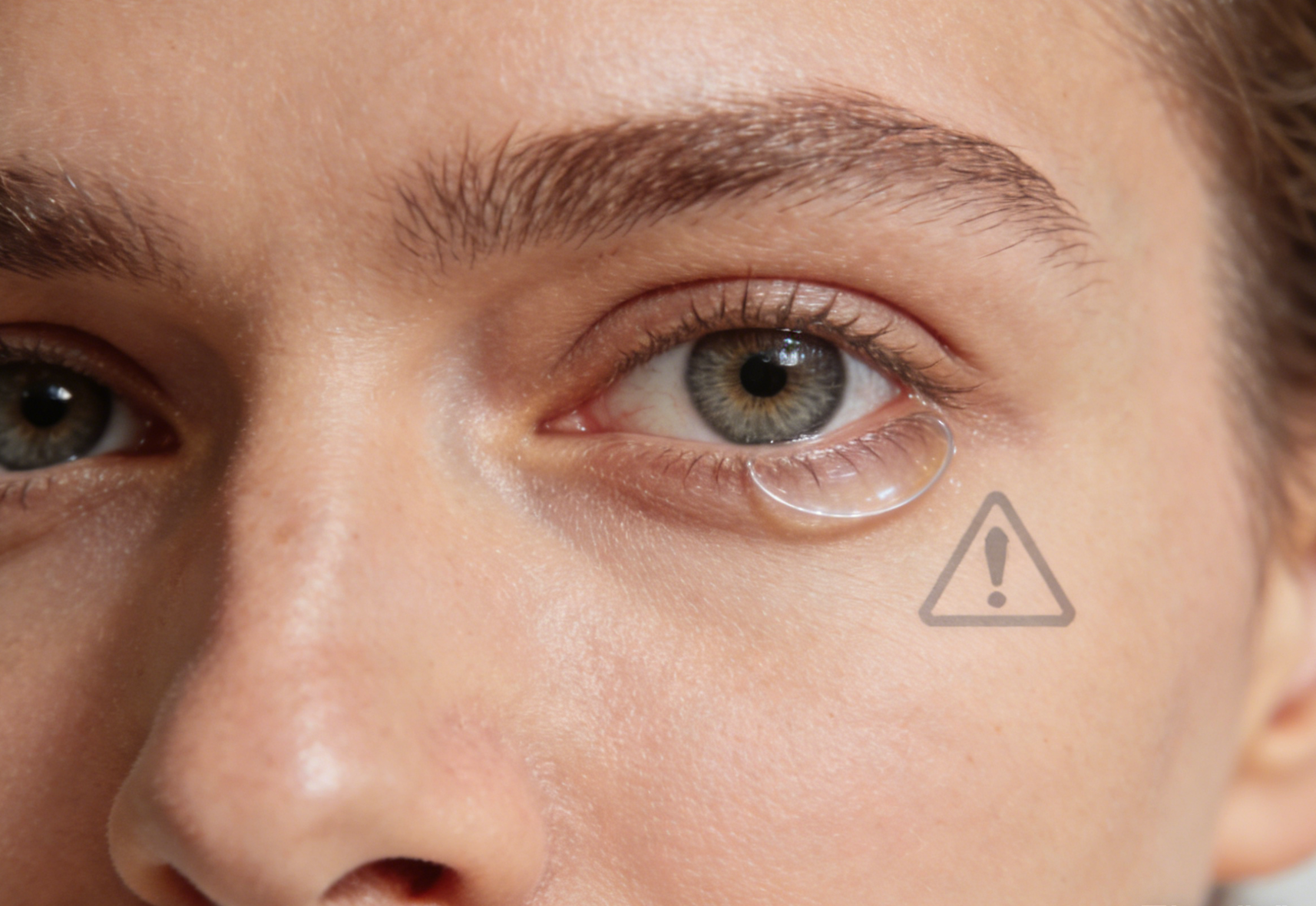
Three things to avoid for diabetic patients: contact lenses, cooling mats, and hot baths – all of which increase blood sugar risks.
This article lists three major taboos for diabetic patients: frequently wearing contact lenses, sleeping on a cool mat, and taking hot baths. Following these recommendations can help maintain stable blood sugar levels and avoid complications caused by infection or irritation, thus better managing blood sugar levels.
2026-02-27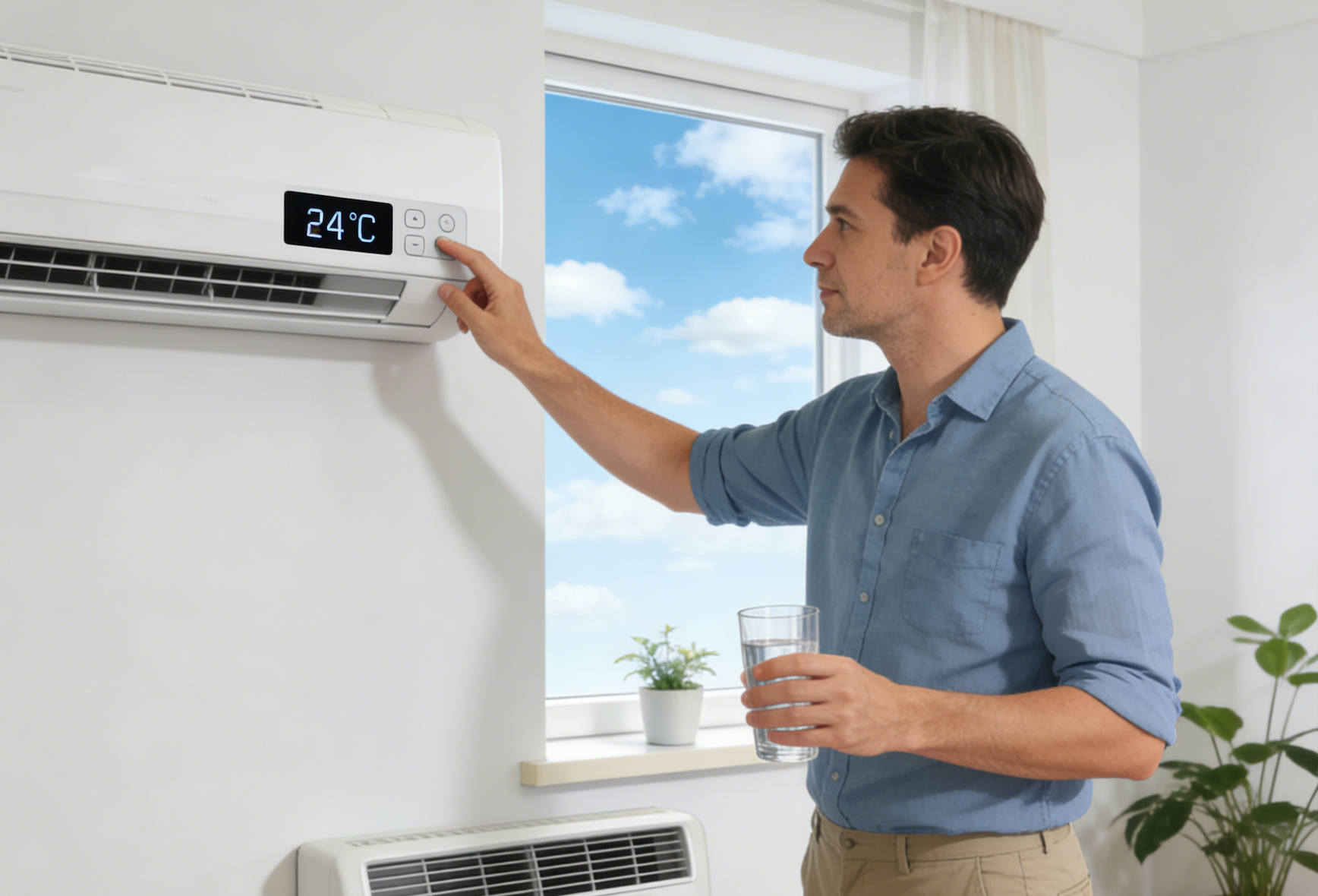
Attention diabetics: How weather changes and air conditioning use affect blood sugar.
This article reminds diabetic patients that weather changes and air conditioning use may cause blood sugar fluctuations. It explains how external environmental factors affect blood sugar control through emotional and metabolic pathways, and provides relevant prevention suggestions to help patients maintain stable blood sugar levels.
2026-02-27