
Essential Guide for Diabetics on Business Trips: How to Manage Blood Sugar and Travel Safely
Make adequate preparations before traveling. With the continuous improvement of living standards, traveling has become the preferred way for people to relax and have fun. Besides relaxing and enjoying beautiful outdoor scenery, travel can also broaden horizons and increase knowledge. Diabetic patients should not limit themselves by mistakenly believing that having diabetes means the world has turned black and refusing to travel. However, everyone should pay special attention to certain things when traveling, especially diabetic patients. This is what is meant by "more travel preparation, less travel harm." Experts point out that diabetic patients should pay attention to the following when traveling:
(1) Medication preparation
① Medication therapy is the traditional and most effective way to treat diabetes. When traveling, diabetic patients should prepare twice the amount of insulin and injectable or oral hypoglycemic drugs. One should be carried with them, and the other can be left with a family member or friend. It is best not to put them in a large suitcase to avoid losing them and running out of medication.
② If the travel destination is a sunny and hot place, extra care should be taken when carrying insulin. Using a carrying case or ice pack is a good way to store it. If the hotel does not have air conditioning, insulin can be stored in the refrigerator; if traveling in a colder region, prevent it from freezing.
③ Ask your doctor for a medical summary, including the onset of illness, treatment methods, drug names, and prescriptions. If necessary, ask the doctor for a certificate proving the need for insulin injections.
④ In addition to diabetes medications, some motion sickness medication (for boats, planes) should also be carried to prevent vomiting or loss of appetite caused by motion sickness, which could affect blood sugar stability. Also prepare cold medicine, gastrointestinal medicine, and painkillers for emergencies.
(2) Travel may involve a full day of activities, with significantly increased physical activity than usual, so be especially vigilant about hypoglycemia.
① It is absolutely necessary to replenish food appropriately during long travel periods.
② It is best not to travel alone. Wear a diabetes identification card and travel with a family member or friend who understands your condition to handle any potential hypoglycemia.
③ If you are an insulin injector, be aware of the peak insulin action time and eat before any activity; if there is a lot of activity in your limbs, avoid injecting into the thighs and arms. (3) Dietary Principles
As the saying goes, "illness enters through the mouth," so extra attention should be paid to diet when traveling. Dining environments change significantly, and eating habits differ greatly. Food portion sizes are also crucial for diabetic patients; it's best to be prepared. First, familiarize yourself with food substitution principles and portion sizes to minimize the impact of high and low blood sugar during travel. Pay attention to food hygiene, especially in areas with poor sanitation. If the local temperature is high or the air is dry on the plane, drink plenty of water to avoid increasing the risk of stroke due to high blood viscosity; avoid fruit juice. For long-distance travel, inquire with the airline beforehand and pre-order diabetic meals.
(4) Self-Monitoring of Blood Glucose
During travel, jet lag and irregular meal times are common. A blood glucose meter is crucial for maintaining blood sugar control during these periods. Bringing a blood glucose meter and accessories during travel to increase monitoring frequency is definitely not unnecessary.
① The accuracy of the instrument and test strips is affected by temperature, so carrying the instrument and test strips with you is best. ② If you notice unusual symptoms, such as loss of appetite, general malaise, nausea, or a gradual rise in blood sugar, you must increase the frequency of blood sugar tests.
③ Dispose of blood glucose test kits carefully, preferably in a puncture-resistant container, such as an empty test strip or film holder.
(5) Skin Care
① There is no fixed method for skin protection; it depends on the weather conditions of your travel destination. If it is hot and sunny, prepare sunscreen to avoid sunburn; if it is a dry and cold area, prepare moisturizing lotion to prevent dry and cracked skin.
② Foot care is even more important. Choose appropriate shoes and socks, and prepare nail clippers to trim your nails as needed.
③ If you have minor injuries, it is necessary to prepare wound dressings and antiseptic solution.
In short, when traveling, it is essential to maintain a good mood and minimize the impact of travel on blood sugar, increasing your confidence in overcoming the illness.

Regular walking exercise: Three principles and benefits of scientifically lowering blood lipids
This article details how consistent walking can effectively lower blood lipids and prevent atherosclerosis, and outlines the three scientific principles that should be followed: consistency, regularity, and moderation. Walking is a simple and efficient aerobic exercise for managing and improving blood lipid levels, suitable for daily practice by most people.
2026-03-02
Scientific Exercise for Regulating Blood Lipids: Two Major Taboos and Correct Methods
This article details the importance of scientific exercise in regulating blood lipids, pointing out two major taboos to avoid: not following exercise principles and exercising for excessively long periods. Reasonably controlling exercise intensity and duration can more effectively help improve and manage blood lipid levels, ensuring safe and effective exercise.
2026-03-02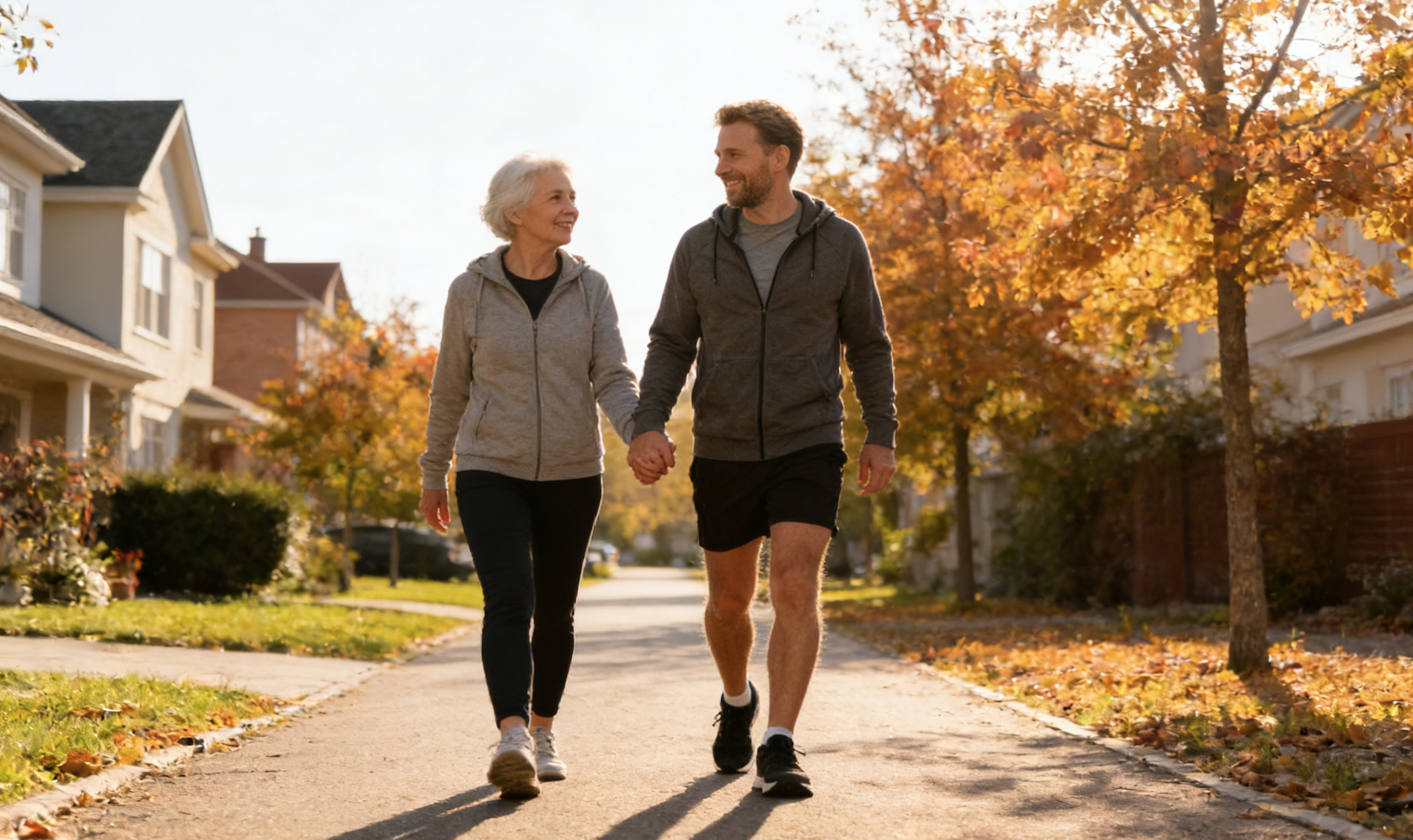
Two major taboos for exercise in patients with hyperlipidemia: random exercise and strenuous exercise in the morning.
This article reminds patients with hyperlipidemia to avoid two major taboos: random exercise and strenuous exercise in the morning. Incorrect exercise methods may increase the burden on the heart and are not beneficial for blood lipid management. Understanding the principles of scientific exercise can help regulate and stabilize blood lipids while ensuring safety.
2026-03-02