
Attention diabetics: How weather changes and air conditioning use affect blood sugar.
Important Considerations for Diabetic Patients:
Avoid Ignoring Weather Changes:Many diabetic patients feel that their condition is always affected to some extent when the weather changes significantly. Extensive clinical observation has found that weather changes are indeed a factor affecting the control of diabetes. Generally speaking, seasonal changes, hot weather, and hot and humid weather in summer and autumn can all affect the diet and sleep of diabetic patients, thus affecting blood sugar control. Inclement weather such as strong winds, heavy rain, and prolonged periods of rain can easily affect patients' emotions, causing anxiety and leading to elevated blood sugar. Cold winter weather can cause diabetic patients with weakened constitutions to catch colds, and can also stimulate adrenaline secretion, antagonizing insulin and ultimately leading to elevated blood sugar.
Therefore, diabetic patients must not ignore weather changes, seasonal changes, and blood sugar monitoring under different conditions in their daily lives.
Avoid Frequent Air Conditioning:Air conditioning is a necessity in modern life; however, diabetic patients should not use it frequently. The use of air conditioning in summer has several drawbacks. Firstly, it hinders indoor air circulation and can disrupt the metabolism of many organs in diabetic patients, weakening their constitution and reducing their resistance. High blood sugar also promotes bacterial and viral growth, and the body's ability to respond to external stimuli is diminished, making them more susceptible to infection. Secondly, cold stimulation excites the sympathetic nervous system, increasing adrenaline secretion and promoting glycogen breakdown, thus raising blood sugar levels. Simultaneously, due to insufficient insulin, diabetic patients have a reduced ability to absorb glucose from muscles, resulting in decreased cold tolerance. Combined with their already weakened immune system, they are more prone to colds, especially when sleeping with the air conditioning on, which exacerbates their condition, raises blood sugar, and in severe cases, can even trigger ketoacidosis. Therefore, diabetic patients should avoid air conditioning in the summer.
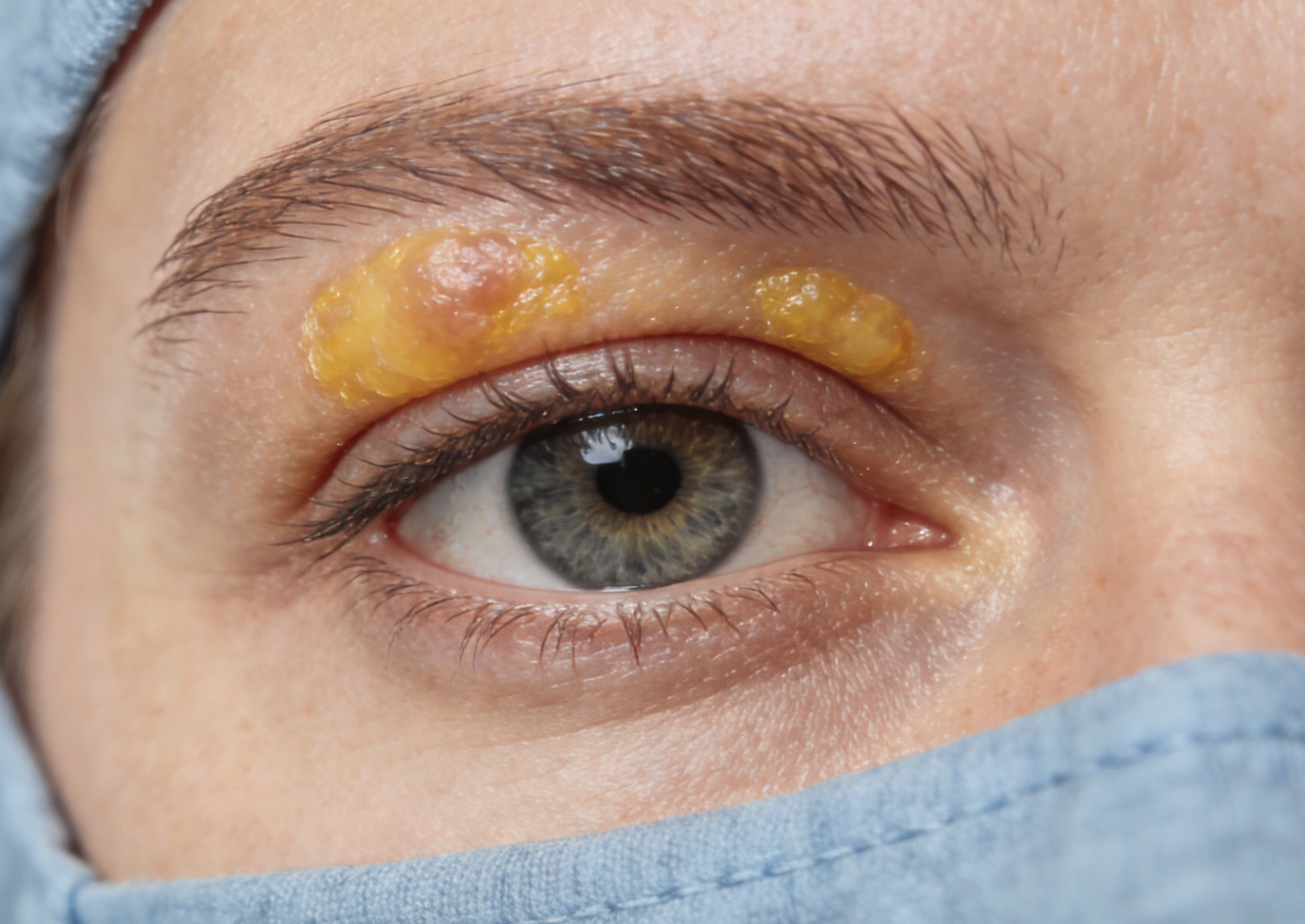
Analysis of Clinical Manifestations of Hyperlipidemia: Changes in the Eyes and Recognition of Skin Signals
This article details the clinical manifestations of high blood lipids in the eyes and skin, such as corneal arcus (arcus senilis) and fundus changes associated with hyperlipidemia. Understanding these symptoms helps in the early identification of potential lipid abnormalities. However, most cases of high blood lipids are asymptomatic, and regular monitoring of blood lipid levels is crucial for detecting problems.
2026-03-10
Detailed Explanation of Diagnostic Criteria for Hyperlipidemia: Six Subtypes and Clinical Manifestations
This article provides a detailed analysis of the six diagnostic subtypes of hyperlipidemia (hyperlipoproteinemia), from type I to type V, explaining the blood characteristics, cholesterol and triglyceride changes, and related diseases of each subtype. Understanding these subtypes helps in the accurate diagnosis of dyslipidemia and provides a basis for targeted treatment.
2026-03-10
A Comprehensive Analysis of Cholesterol: Good and Bad, Functions and Health Balance
This article provides a detailed analysis of the definition and classification of cholesterol, as well as its crucial role in key physiological functions such as bile synthesis, cell membrane construction, and hormone production. Understanding the dual role of cholesterol helps in the scientific management of blood lipid levels, maintaining a healthy lipid balance when necessary, and avoiding the risks of excessively high or low levels.
2026-03-10