
Guidelines for the Prevention and Treatment of Vascular Plaques: Age-Specific Responses and Warnings on Common First Aid Misconceptions
How to deal with vascular plaque problems:
1. Prevention of coronary heart disease is important at all ages, especially during youth. Improve unhealthy lifestyle habits such as staying up late, maintain a low-salt, low-fat diet, participate in regular physical activity, and avoid excessive stress.
2. If vascular plaques have already formed in middle age, it's crucial to control risk factors such as smoking, excessive alcohol consumption, staying up late, and high work stress, and cultivate healthy lifestyle habits. Regular checkups are also essential, focusing on blood pressure, blood lipids, blood sugar, and uric acid levels. If any abnormalities are found, seek immediate and active treatment; do not delay seeking medical attention and miss the optimal treatment window.
3. If symptoms of myocardial infarction occur, do not panic. Clearing blocked blood vessels as early as possible is the most important guarantee for preventing sudden death and improving survival rates. After the condition stabilizes, patients should undergo drug therapy and exercise therapy under the guidance of a professional doctor.
Attention, patients with coronary heart disease! These practices are extremely dangerous:
1. Thinking chest pain will pass: Many elderly people believe that chest tightness and pain are common ailments and can be ignored at home. This is extremely dangerous. If chest pain lasts longer than half an hour, it could be a myocardial infarction. Recovery from a myocardial infarction gradually decreases over time. Therefore, the elderly should never think of "just tough it out" and should seek medical attention promptly to avoid delaying optimal treatment.
2. Going to the hospital on your own after experiencing chest pain: If a coronary heart disease patient suddenly experiences severe chest pain at home, it is very likely a myocardial infarction. In this case, you need to lie down immediately and call 120 for emergency help. Do not attempt to move around or take a taxi to the hospital. During the acute phase of a myocardial infarction, malignant arrhythmias and cardiac rupture are very likely to occur. Strenuous activity can cause serious consequences such as ventricular tachycardia, ventricular fibrillation, and cardiac rupture.
3. Taking aspirin immediately upon experiencing chest pain: For a period of time, several life-saving drugs circulated online, including aspirin. Many people believe that taking an aspirin tablet is necessary for sudden chest pain. This is incorrect.

Four healthy recipes for people with high blood sugar to help manage high blood pressure, high cholesterol, and high blood sugar.
This article selects four healthy recipes for people with high blood sugar and the "three highs" (high blood pressure, high blood sugar, and high cholesterol), detailing the preparation methods and blood sugar-lowering effects of dishes such as stir-fried shredded pork with dried tofu and celery, and stewed turtle with corn silk. Through scientific dietary combinations, you can help manage your "three highs" and stabilize your blood sugar levels by incorporating delicious everyday foods.
2026-03-07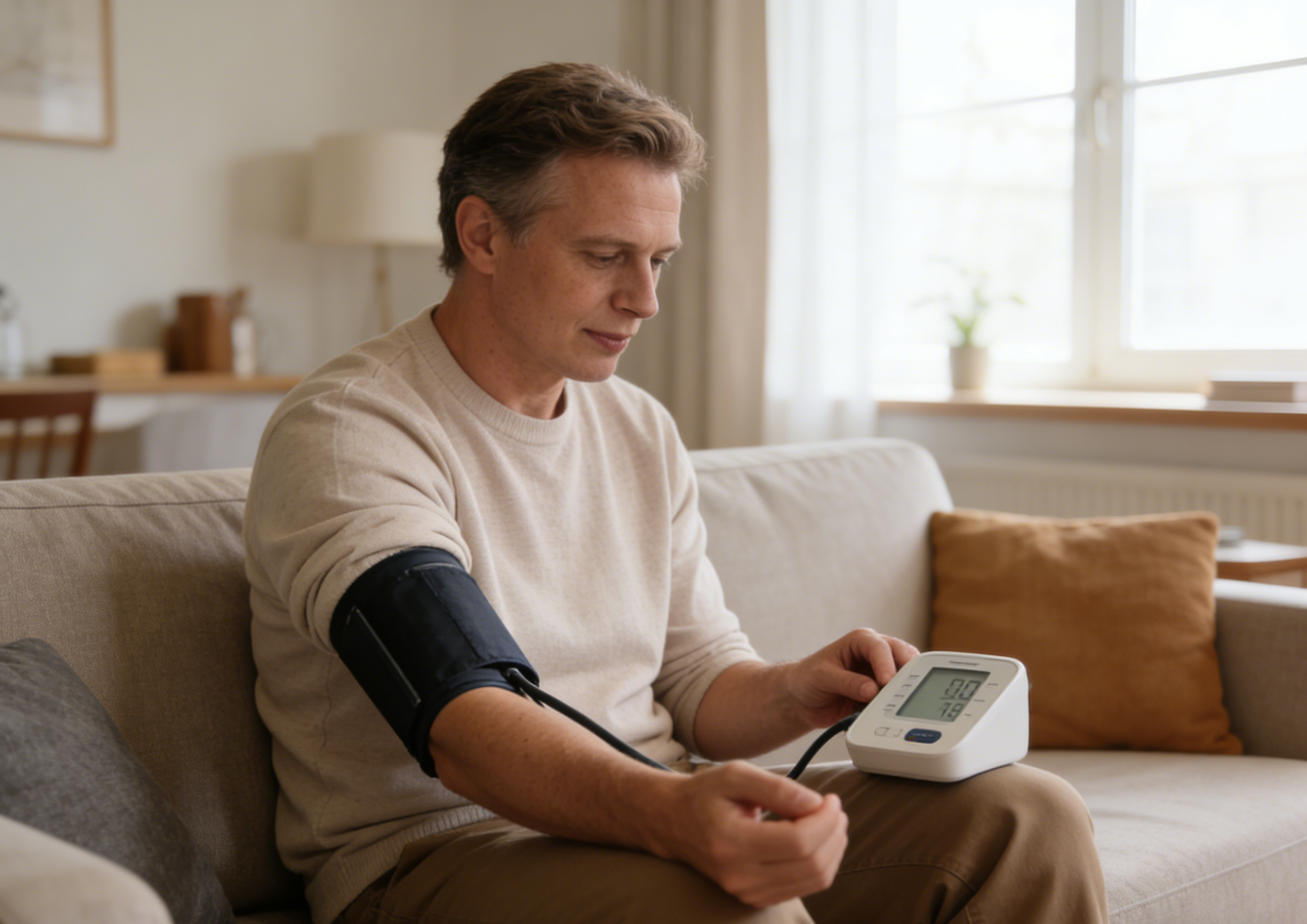
Detailed Explanation of Blood Pressure Fluctuation Patterns and Correct Measurement Methods
This article details the natural fluctuations in blood pressure throughout the seasons and between day and night, explaining why blood pressure rises in winter and peaks in the morning. Understanding these fluctuations helps you monitor your blood pressure scientifically, avoid misinterpretations based on a single measurement, and master the correct measurement methods.
2026-03-06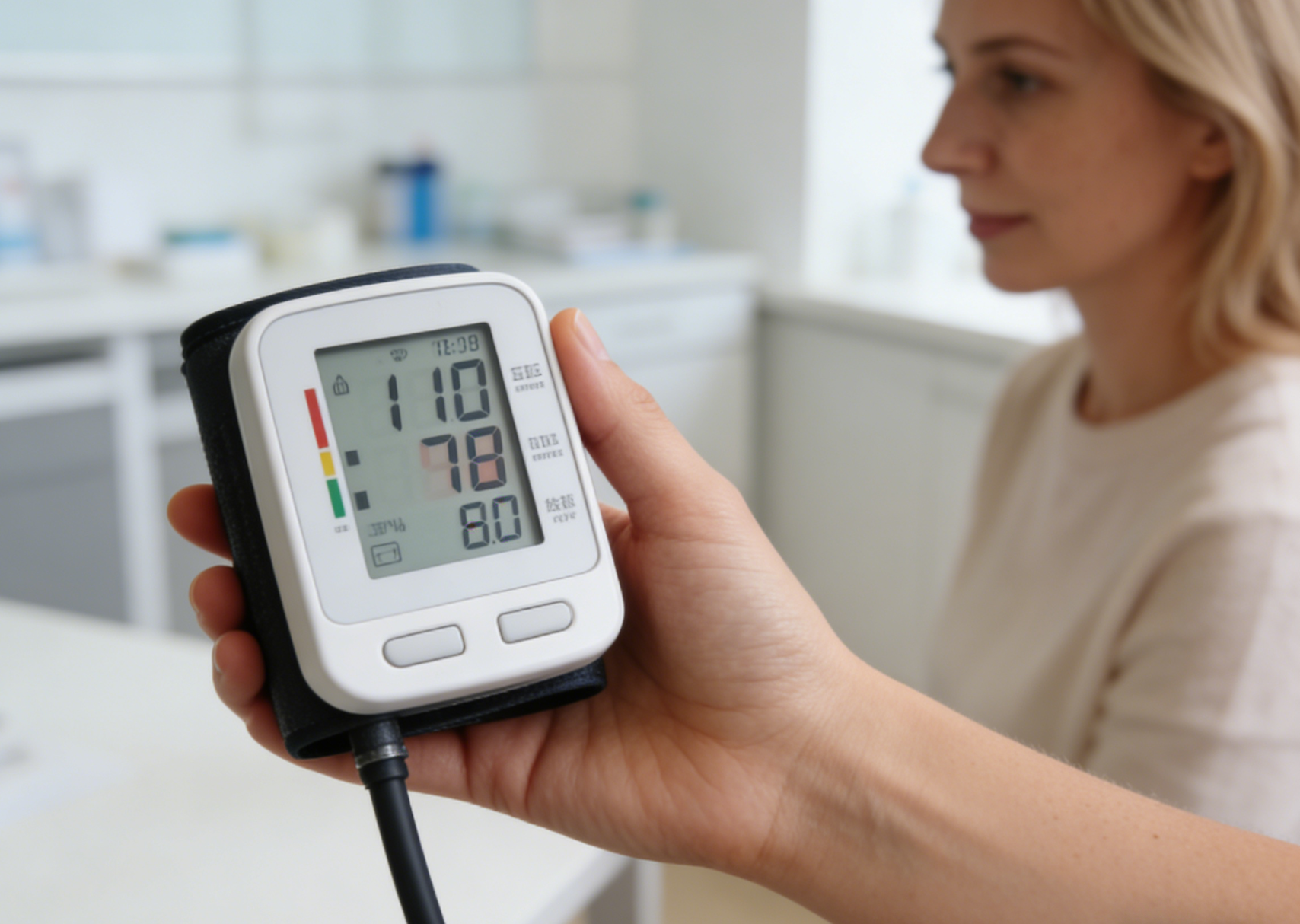
Detailed Explanation of the Correct Steps and Key Precautions for Measuring Blood Pressure
This article details the principles and key steps of blood pressure measurement using a cuff, including cuff selection, environmental preparation, patient positioning, and proper inflation and deflation techniques. Mastering these points ensures accurate and reliable blood pressure measurements each time, providing a valid basis for health monitoring.
2026-03-07