
Diabetic foot baths, mood management, and prevention and treatment of gout and fatty liver: Multi-system chronic disease care
Foot Bath Therapy
A significant number of diabetic patients experience sleep disorders, which affect the responsiveness of pancreatic cells and insulin sensitivity, causing blood sugar fluctuations and accelerating the onset and development of diabetic complications, severely impacting the quality of life of diabetic patients.
Exercise Therapy
Standard weight and scientific exercise are extremely important for the prevention of diabetes. Exercise can enhance skeletal muscle's uptake and utilization of glucose, which is beneficial for improving the sensitivity of skeletal muscle and liver to insulin and reducing insulin resistance. Regular, long-term moderate-to-low intensity aerobic exercise can help obese patients lose weight, lower blood sugar, improve glucose and lipid metabolism, and increase insulin sensitivity. 3.4. Emotional Release Therapy
Studies have found that diabetic patients are prone to negative emotions, especially the elderly. The incidence of anxiety and depression in elderly diabetic patients is 23.16% and 39.34%, respectively, seriously affecting their quality of life and self-efficacy. Emotional release therapy is based on Traditional Chinese Medicine's meridian theory. By tapping specific meridian points, it reduces the excitatory conduction of the hypothalamus, regulates hormone secretion, lowers plasma cortisol levels, and restores the body's balance. Simultaneously, it uses loud verbal cues to stimulate the body's subconscious self-protective mechanisms, weakening painful memories, releasing negative emotions, and enhancing confidence in coping with illness. This method is simple to operate, safe, effective, and not limited by time or location, significantly reducing the side effects and financial burden of oral anti-anxiety and antidepressant medications.
Other common chronic diseases and drug-free treatments
Drug-free treatment for fatty liver
1) Happiness is paramount. The liver's characteristic is to regulate the flow of Qi, favoring free flow and disliking stagnation. When a person gets angry, the liver becomes congested, and in severe cases, it can cause "liver pain," manifested as distending pain in both sides of the ribs. Severe congestion can also affect both breasts and the thyroid gland in the neck, causing lumps in these areas.
2) Go to bed early. Many people know that the period from midnight (11:00 PM to 1:00 AM) is the time for the liver and gallbladder to repair themselves. If you don't sleep during this time, the liver's detoxification function will drop sharply. Various toxins will not be completely eliminated and will directly affect your face, causing acne and various blemishes, especially on the temples and cheeks, which are the "territory" of the liver meridian and its partner, the gallbladder meridian. Recommendation: Eat dinner early, do some light exercise after dinner, soak your feet for a while, and try to go to bed before 10 pm and fall asleep by 10:30 pm every day. Developing this good habit can help you live at least 10 years longer!
3) Stay away from tobacco and alcohol. Smoking affects the liver's lipid metabolism. Studies have shown that among liver cancer deaths, the mortality rate of smokers is 1.6 to 1.7 times that of non-smokers. It can be seen that, like other cancers, smoking has a detrimental effect on the occurrence of liver cancer. Approximately 90-95% of alcohol is metabolized in the liver. Whether consumed quickly or slowly, in large or small amounts, alcohol increases the liver's oxygen consumption, potentially leading to hypoxic necrosis. Recommendation: Therefore, for those with liver disease, the best choice is to abstain from smoking and alcohol. When drinking, consume slowly, preferably from small glasses.
4) Avoid greasy late-night snacks. Eating too many greasy late-night snacks and other high-fat foods overloads the liver and gallbladder. Over time, this causes fat to accumulate in liver cells, leading to fatty liver disease. Liver function declines sharply, eventually resulting in various gallbladder diseases and systemic metabolic disorders – truly the beginning of many illnesses. Recommendation: Of the three meals a day, dinner is the least important. Therefore, Taoism and Buddhism advocate not eating after noon. Eating less in the evening allows the five internal organs, especially the liver, to rest well and ensures restful sleep, making it an excellent way to nourish the liver. 5) Minimize Medication Intake: Our liver is the first to suffer from the effects of medications. Medications always damage the liver first, then the kidneys. Any substance entering the body must be inspected by our liver to determine its toxicity and harmlessness.
Recommendation: Avoiding medication altogether is difficult, but by adhering to these four principles, we can minimize liver damage:
1) Avoid medication whenever possible;
2) Use traditional Chinese medicine instead of Western medicine if possible;
3) Use nutrients instead of medication if possible;
4) Use natural foods instead of medication and nutrients if possible.
5) Close Your Eyes Frequently: Excessive eye strain is another major cause of liver qi deficiency in modern people. The liver stores abundant blood, and its main function is to maintain bright eyes. Prolonged use of mobile phones and gaming easily leads to excessive eye strain, resulting in insufficient liver blood.
Recommendation: Regularly closing your eyes to rest is an excellent way to nourish the liver, especially before bed. Even if you can't fall asleep, try to close your eyes and rest. Even when you're busy with work, make sure to take some time to look at distant scenery and green plants. Green light waves are the least damaging to the eyes, and looking at flowers, plants, and trees is good for your eyes and liver.
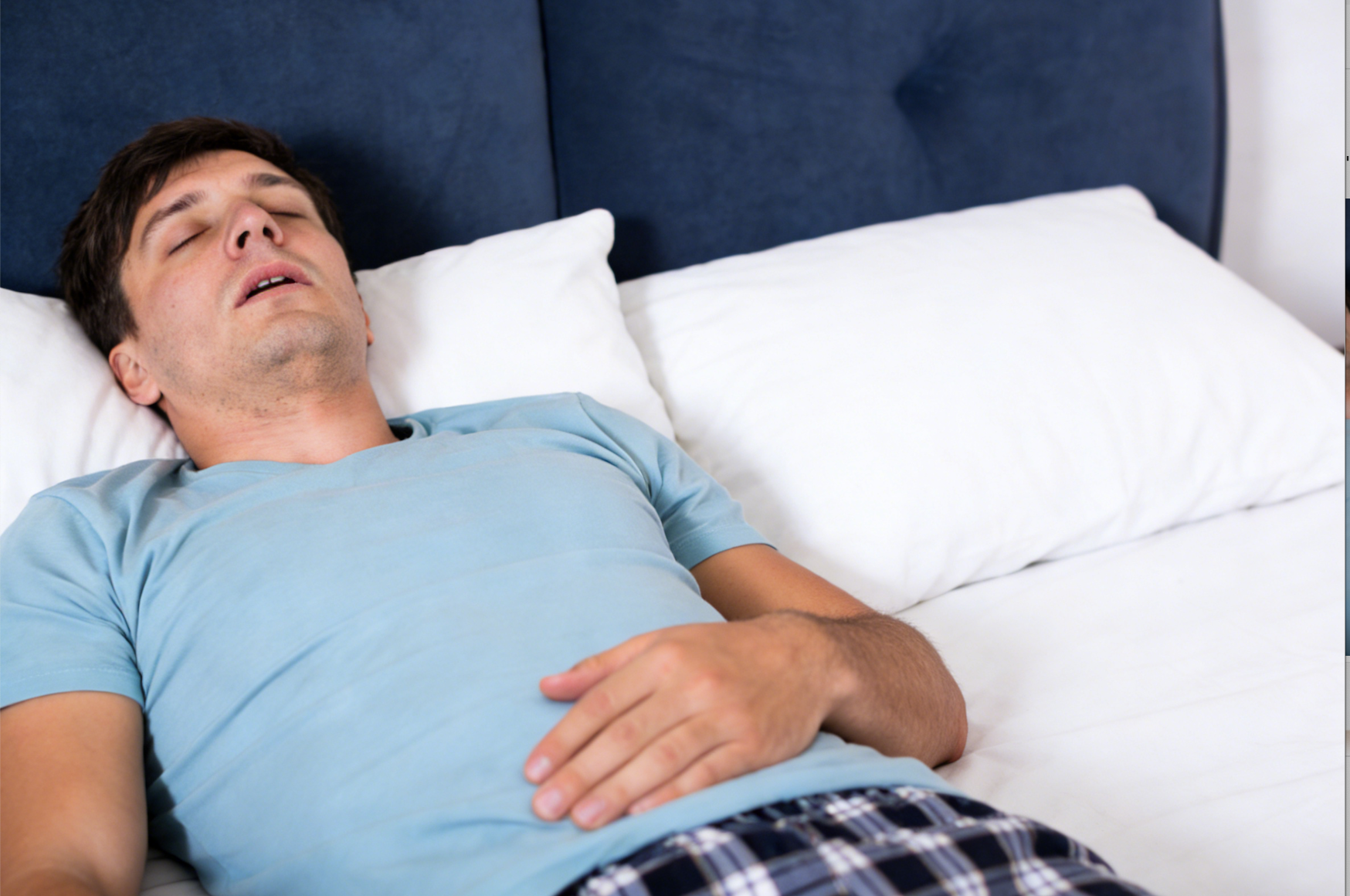
Snoring may be a hidden risk factor for high blood pressure: sleep apnea syndrome
This article explains that snoring may be related to sleep apnea syndrome, a significant risk factor for high blood pressure. Understanding its dangers and ways to improve it can help control blood pressure at its source and prevent related complications.
2026-03-05
Orthostatic hypotension in hypertensive patients: symptoms, causes and coping strategies
This article analyzes why hypertensive patients, especially the elderly, experience symptoms of low blood pressure such as dizziness upon standing. It details the definition, incidence, and mechanisms of orthostatic hypotension to help understand this common but easily overlooked phenomenon, and emphasizes the importance of monitoring blood pressure.
2026-03-05
Hypertensive patients should be wary of postprandial hypotension: symptoms and coping strategies
This article analyzes the pathogenesis, common symptoms, and coping strategies of postprandial hypotension in hypertensive patients, reminding patients to monitor their blood pressure, avoid the risks of a sudden drop in blood pressure after meals, and effectively manage their blood pressure levels.
2026-03-05