
Vegetable oils help lower blood lipids: A guide to scientific selection and consumption.
Consuming more vegetable oils is recommended: Domestic and international studies have proven that rice bran oil can lower serum cholesterol levels. According to reports, young women who consume rice bran oil experience a cholesterol reduction of approximately 17%; when combined with safflower oil, the effect is even better, lowering serum cholesterol by 19%–21%. Therefore, individuals with hyperlipidemia should consume rice bran oil regularly.
Peanut oil, rapeseed oil, soybean oil, sunflower seed oil, sesame oil (or fragrant oil), salad oil, and cottonseed oil are commonly used vegetable oils, rich in unsaturated fatty acids, which are composed of monounsaturated and polyunsaturated fatty acids. Research and experiments have demonstrated that monounsaturated fatty acids are very effective in lowering low-density lipoprotein cholesterol (LDL-C) and total cholesterol (TC) levels, but have a weaker effect on increasing high-density lipoprotein cholesterol (HDL-C) levels compared to polyunsaturated fatty acids. Polyunsaturated fatty acids are composed of linoleic acid and linolenic acid. Linoleic acid is an essential fatty acid for the human body. This fatty acid cannot be synthesized by the body and must be obtained from food. Vegetable oils contain a large amount of linoleic acid, with sunflower seed oil having the highest content (up to 66%), soybean oil (51%), cottonseed oil (48%), and sesame oil (41%). Research and observation have long proven that it plays an important role in lowering serum total cholesterol (TC), low-density lipoprotein cholesterol (LDL-C), and triglycerides (TG). Linolenic acid not only significantly lowers serum total cholesterol (TC) and triglyceride (TG) levels but also raises high-density lipoprotein cholesterol (HDL-C) levels. However, vegetable oils contain relatively little linolenic acid; soybean oil contains only 6.5%. Therefore, for individuals with hyperlipidemia, the latter should be chosen over animal oils; eat more vegetable oils and less animal oils. This not only lowers blood lipid levels but also effectively prevents atherosclerosis and coronary heart disease. It should also be noted that vegetable oils are high-energy foods; to prevent obesity, they should not be consumed excessively.

How does lifestyle affect high blood pressure? Five adjustments to help stabilize your blood pressure.
This article explores the impact of lifestyle on hypertension, analyzing how non-pharmacological interventions such as weight loss, salt restriction, and exercise can effectively lower and stabilize blood pressure. Understanding and implementing these adjustments can help hypertensive patients better manage their blood pressure levels.
2026-01-20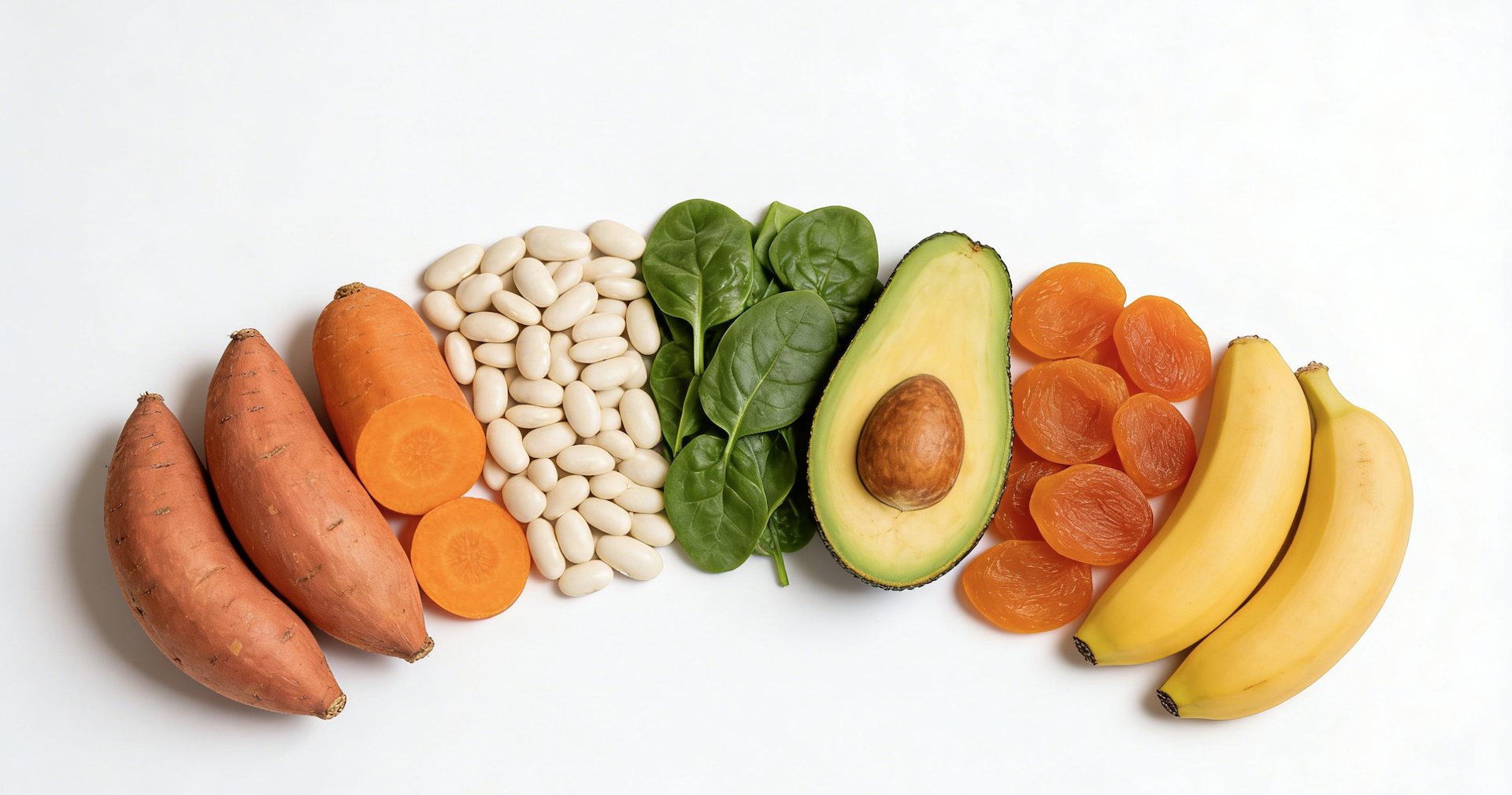
Dietary Guidelines for Patients with Hypertension: Salt Restriction, Potassium Supplementation, and Dietary Structure Adjustment Plan
This article provides scientific dietary guidance for patients with hypertension, emphasizing core principles such as limiting sodium, controlling fat intake, increasing potassium and calcium intake, and controlling calorie consumption. Reasonable dietary adjustments can effectively help lower and stabilize blood pressure levels, and are an important component of non-pharmacological treatment for hypertension.
2026-01-20
Essential reading for people with hypertension: Weight loss, quitting smoking, and limiting alcohol consumption are crucial for controlling blood pressure.
This article explores in detail the crucial roles of weight loss, smoking cessation, and alcohol limitation in blood pressure management. Studies have shown that being overweight and drinking alcohol are significant risk factors for elevated blood pressure, and that scientific weight loss and strict alcohol limitation can effectively lower blood pressure. These non-pharmacological interventions have significant benefits for hypertensive patients in controlling blood pressure and preventing complications.
2026-01-20