
How does lifestyle affect high blood pressure? Five adjustments to help stabilize your blood pressure.
The Impact of Lifestyle on Hypertension: Generally speaking, cardiovascular and cerebrovascular diseases are often caused or triggered by unhealthy lifestyles. In recent years, the number of hypertension patients in my country has increased significantly, fully demonstrating that lifestyle is a crucial factor influencing hypertension. Improving lifestyle (non-pharmacological treatment) offers hope for hypertension prevention and has a significant effect on existing hypertension, especially for patients undergoing drug treatment. It can also reduce risk factors that prematurely trigger cardiovascular disease. It is economical and safe, thus forming the basis for treating hypertension and various cardiovascular diseases. However, because it requires long-term adherence, it is difficult to implement and requires close cooperation between physicians and patients, as well as widespread dissemination. Key measures include weight loss, smoking cessation, reducing ethanol (alcohol) and sodium intake, appropriately increasing physical activity, and paying attention to potassium and calcium supplementation.
Overweight is closely related to elevated blood pressure, especially increased trunk and abdominal fat (central obesity), which is associated with hypertension, hyperlipidemia, diabetes, and death from coronary heart disease. Weight loss can significantly lower blood pressure in overweight individuals. Generally, total calorie intake should be limited, and physical activity should be increased. A low-fat, high-fiber diet is recommended, and high-sugar foods should be reduced. Excessive alcohol consumption often raises blood pressure and counteracts antihypertensive treatment; it should be avoided as much as possible. When alcoholics quit drinking, their blood pressure may rise, but it usually improves after a few days. Regular physical activity is beneficial for preventing and treating hypertension and can also help with weight loss. The amount of exercise doesn't need to be large; for example, walking for 30-50 minutes 3-5 times a week can lower blood pressure. However, those with pre-existing heart disease must be monitored and guided by a doctor. Many epidemiological and therapeutic trials have proven that sodium intake is related to blood pressure. Studies have shown that people who consume less than 6 grams of salt per day on average experience a 2-10 mmHg reduction in systolic blood pressure. Low salt intake also helps those taking antihypertensive medication. Different people have different sensitivities to salt; the elderly and those with hypertension are more sensitive. It is best to consume no more than 6 grams of salt per day. The amount of salt consumed is mainly a matter of habit and should be reduced from childhood. Some primitive tribes did not experience an increase in blood pressure with age before the introduction of salt, but developed hypertension after joining the military or adopting modern civilization. A high-potassium diet can reduce the incidence of hypertension, while low potassium easily leads to hypertension and arrhythmia; attention should be paid to potassium supplementation in the diet. Calcium may affect blood pressure, but conclusions are inconsistent. Due to the increasing prevalence of osteoporosis among the aging population in my country, calcium supplementation is very important.

How does psychological stress affect blood sugar? A guide to stress management for patients with hyperglycemia.
This article explores how psychological stress affects blood glucose levels in patients with hyperglycemia, explaining the mechanism by which stress hormones cause elevated blood glucose. It also provides practical methods for identifying and alleviating stress, helping patients achieve more stable blood glucose control through effective emotional management.
2026-01-20
Daily Management of Hyperglycemia: Guidelines for Daily Routine, Weight, and Footwear Selection
This article provides three daily management recommendations for people with high blood sugar: maintaining a regular sleep schedule to stabilize blood sugar, controlling weight to optimize blood sugar levels, and choosing appropriate footwear and socks to prevent diabetic foot. These practical guidelines can help achieve better blood sugar control.
2026-01-20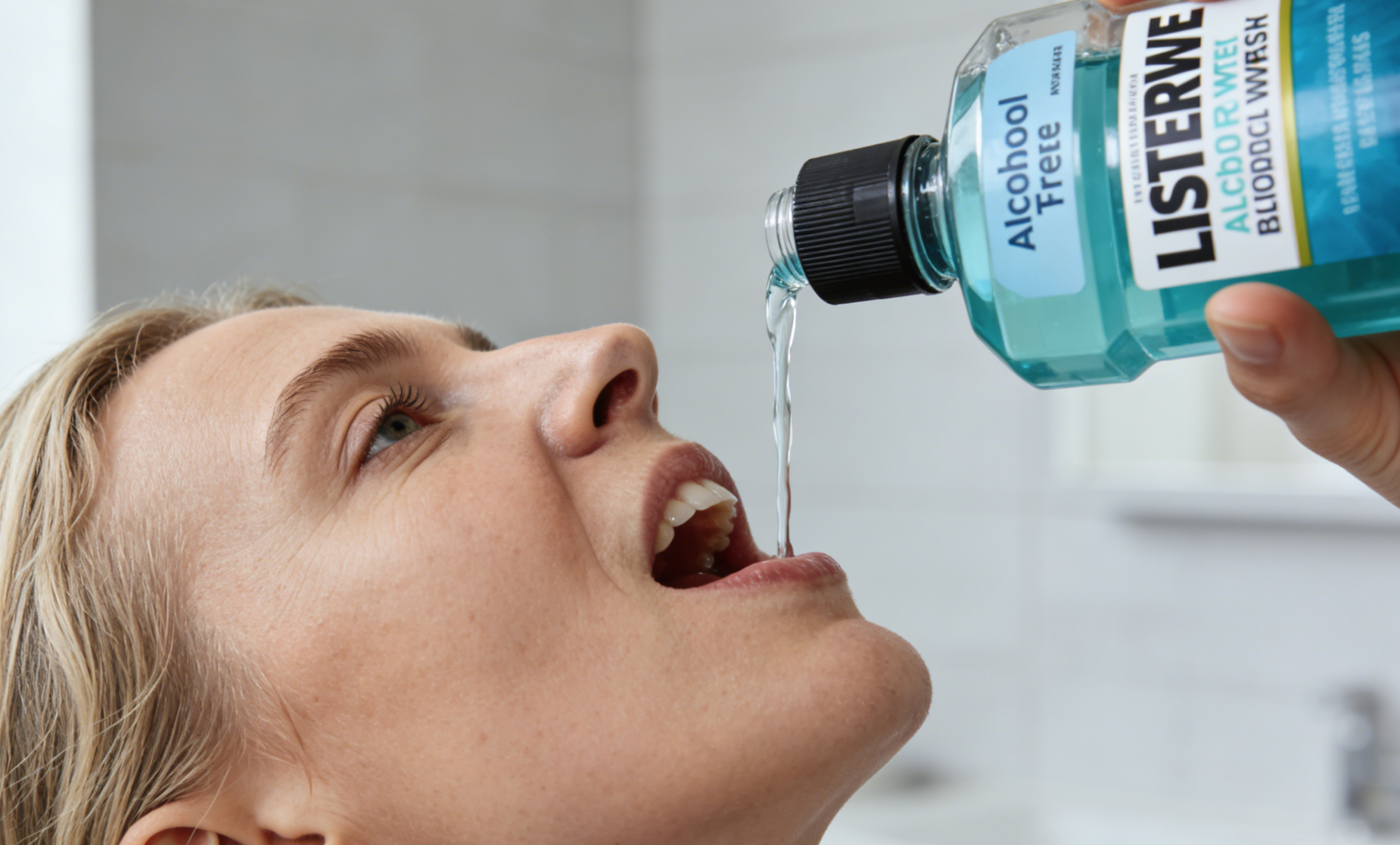
Daily Care Guidelines for Patients with Hyperglycemia: Key Points for Bowel Movements, Oral and Eye Health
This article provides three key aspects of daily care for patients with high blood sugar: developing good bowel habits, paying attention to oral hygiene to prevent complications, and scientifically protecting the eyes to prevent retinopathy. These measures help stabilize blood sugar levels and are important components of comprehensive blood sugar control and long-term health maintenance.
2026-01-20