
Blood Pressure Fluctuations Under Multiple Influences and the Fundus "Window to Health": Analysis of White Coat Hypertension and its Examination Classification
20. What factors affect blood pressure fluctuations? (1) Normal human physiological activities. Blood pressure is generally lower when at rest, calm and peaceful; it will temporarily rise during labor, emotional changes (such as happiness, sadness, anger, fear, insomnia, constipation, etc.). (3) Diurnal variation. Blood pressure fluctuates in a biological clock rhythm within 24 hours. Normal people have higher blood pressure at 9 am and 10 am, and also higher blood pressure between 3 pm and 5 pm, and lower blood pressure after sleeping at night. The average fluctuation range of blood pressure within 24 hours is 30 ± 20 mmHg. See the previous section on blood pressure rhythm for details. (4) Age. Generally speaking, blood pressure is more prone to fluctuation in the elderly, and even minor mental stimulation can raise blood pressure. This is because arteriosclerosis reduces the elasticity of blood vessels, making them unable to adapt well to changes in cardiac output. Therefore, blood pressure values of the elderly should be measured several times to eliminate fluctuations caused by their blood pressure fluctuations in order to obtain a more reliable blood pressure value. (5) Postural factors. Blood pressure in normal individuals varies with body position, being higher when standing, slightly lower when sitting, and lower when lying down. This is because blood pressure must be adjusted slightly higher when standing to ensure blood supply to the head. In the elderly, due to decreased baroreceptor and blood circulation regulation, blood pressure drops more significantly when suddenly sitting up or standing, resulting in "orthostatic hypotension" (also known as postural hypotension). (6) Other factors. Smoking, meals, alcohol consumption, coffee consumption, large food intake, the type and saltiness of food, and the type of medication can all cause blood pressure fluctuations. Understanding the fluctuations in blood pressure and the factors influencing these fluctuations is crucial for the diagnosis and treatment of hypertension. At the very least, a single blood pressure reading cannot determine a person's blood pressure level; repeated blood pressure measurements are essential.
21. Why do hypertensive patients need fundus examinations? When patients with hypertension visit a doctor, they are often asked to have their fundus examined. The purpose is to understand the degree of systemic arteriosclerosis by observing changes in the retinal arteries. Based on the severity of the condition, fundus lesions in hypertension can be divided into four grades: Grade 1: Fundus examination is basically normal. Retinal arteries are narrowed and their reflex is increased. Grade 2: Slight narrowing of retinal capillaries, no sclerosis; occasional arteriovenous crossing and compression, and occasional fundus vascular spasm. Grade 3: In addition to the Grade 2 lesions, there is sclerosis in the fundus arteries, fundus hemorrhage, and flocculent exudates. Grade 4: In addition to the Grade 3 lesions, optic disc edema occurs. Fundus examination is valuable in determining the stage, type, and prognosis of hypertension. It can also help infer whether there are abnormalities in cerebral arteries. Research data shows that hypertensive patients with normal fundus examination have almost no damage to their heart and kidneys. Conversely, the incidence of left ventricular hypertrophy and kidney damage can reach 75% and 87.5%, respectively. It can be seen that the more severe the fundus lesions in hypertensive patients, the higher the rate of damage to the heart, brain, and kidneys. Fundus examination can provide important clues and basis for the prognosis and treatment of hypertension, hence the saying "the window to the soul, a glimpse into health".
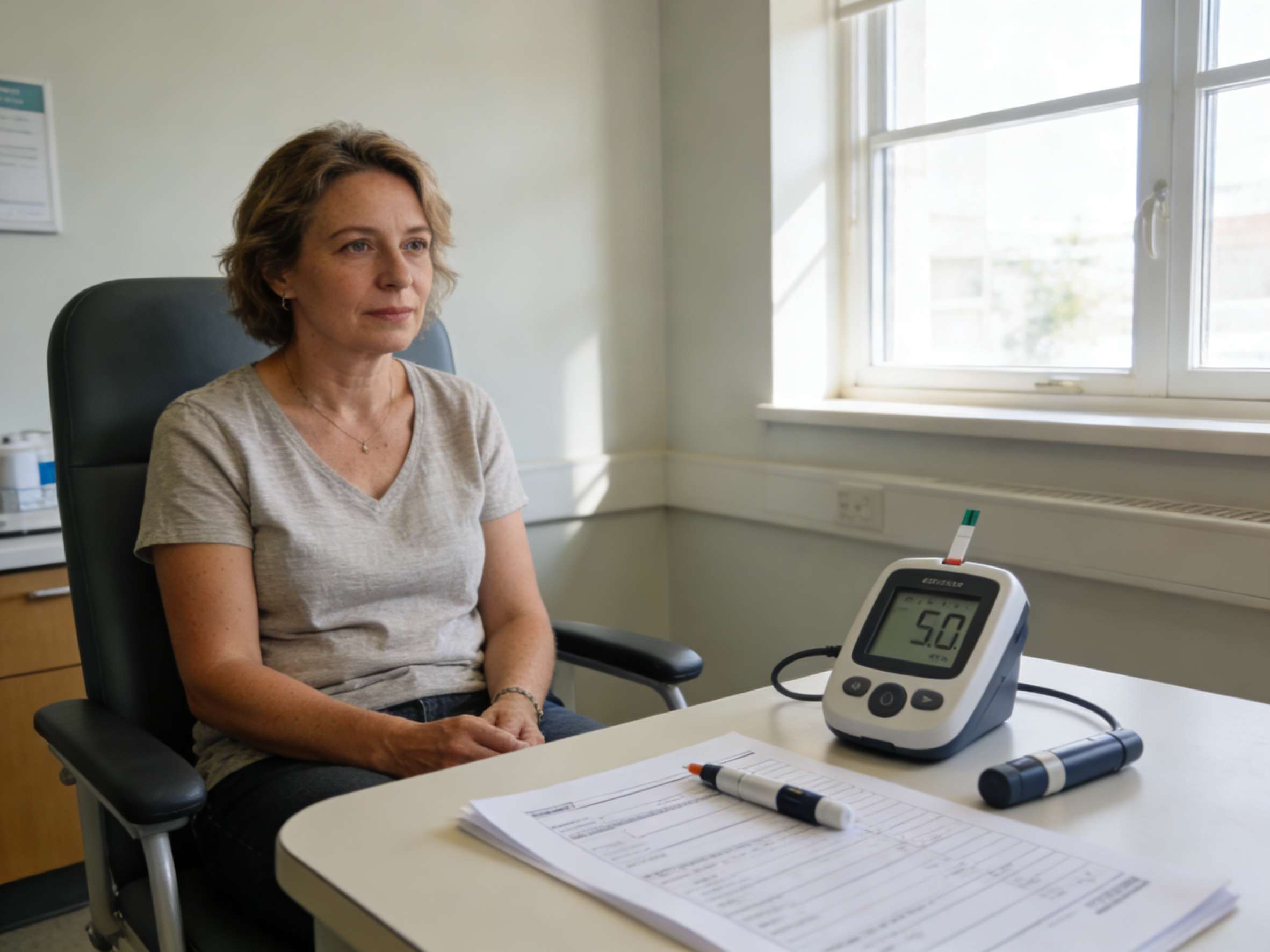
22. What is White Coat Hypertension? Some patients complain, "My blood pressure spikes as soon as I get to the hospital." This is actually quite common. The presence of doctors and nurses in white coats can cause a slight increase in blood pressure as a form of stress, though to varying degrees. However, for some patients, it has a significant impact, causing their normally low blood pressure to be "measured" as high by medical staff in white coats. We call this "white coat hypertension." 20%–30% of hypertension patients have white coat hypertension. Its clinical characteristics include regular, recurring stressors, such as going to work or studying, which do not cause blood pressure increases; 24-hour ambulatory blood pressure monitoring shows normal blood pressure; blood pressure rises when measured at the medical facility, but is normal outside the facility. Its exact natural history and prognosis are currently unclear.
Hypertension, the Silent Killer: Unveiling the Physiological and Pathological Mechanisms of Vascular Intima Damage and Cardiac Hypertrophy
The harm of hypertension to the human body goes far beyond elevated blood pressure levels. This article delves into how hypertension damages the vascular endothelium, revealing the underlying causes of atherosclerosis. The article focuses on the structural damage that hypertension inflicts on the heart, the body's "pump," and through a comparative analysis of concentric and eccentric ventricular hypertrophy, warns readers of the deadly threat that hypertension poses to vital centers.
2026-03-20
Target organ crisis: a vicious cycle of stroke risk and kidney dysfunction caused by hypertension.
The brain, heart, and kidneys are the three core target organs attacked by hypertension. This article analyzes in detail how persistent hypertension triggers cerebral hemorrhage and cerebral ischemia, highlighting the alarming trend of stroke occurring at increasingly younger ages. Furthermore, the article explores the complex causal relationship between the kidneys and hypertension, emphasizing the crucial role of blood pressure control in protecting the body's protective mechanisms and preventing lifelong disability.
2026-03-24
The chain reaction of metabolic disorders: the "silent destruction" of high blood sugar and the erosion of blood vessels by high blood lipids.
The balance of blood sugar and blood lipids is fundamental to maintaining life. This article systematically elucidates the metabolic disorders caused by hyperglycemia and the resulting multi-organ lesions, including those affecting the retina, kidneys, and cardiovascular system, citing alarming figures from the World Health Organization to reveal its destructive power. The article further explains how hyperlipidemia damages the vascular endothelium and forms atherosclerotic plaques, leading to tissue ischemia and necrosis, reminding readers to be vigilant about these early "hidden disturbances" of metabolic abnormalities.
2026-03-22