
Reconstructing the Medical Literacy of Life Insurance Marketing Teams: Deep Learning of Sub-health Concepts and Standards of "Physical Health"
2. For survival insurance, such as annuity insurance, strengthening sub-health prevention is crucial to ensuring clients live healthy lives, enjoy the long-term care of life insurance companies, realize the true meaning of participating in retirement annuity insurance, and continuously enhance the social influence of commercial insurance companies. 3. For whole life insurance, firstly, by preventing sub-health, more clients will be healthy and live to the maturity age stipulated in the insurance contract, receiving long-term care from the insurance company, thus continuously enhancing the social influence of commercial insurance companies; secondly, by preventing sub-health, the mortality rate during the insurance contract period will inevitably be reduced, increasing the risk stability coefficient of term life insurance and contributing to the company's sound operation.
(III) Personal Accident Insurance
From the perspective of personal accident insurance, sub-health conditions do not constitute a risk factor for accidental injury insurance. Recently, news reports from Beijing indicated that a bus driver suddenly fell ill and died while waiting at a red light. Because the driver stopped the vehicle and called 120 (emergency services) before the illness occurred, the vehicle did not lose control and cause injury or death to passengers or pedestrians. It is understood that the driver was 49 years old at the time, had always been in good health, and a medical check-up in March revealed no abnormalities. Therefore, sub-health conditions leading to decreased mental alertness, insufficient attention, or illnesses or sudden death can potentially trigger more serious accidental injuries. This point must be considered in conjunction with the insured's age, occupation, and work habits when underwriting accidental injury insurance.
Based on the analysis of the above situation, the life insurance industry must strengthen its research on sub-health issues and the significance of life insurance business operations, attach importance to the prevention of sub-health, make good use of the prevention expenses in the company's financial expenditures, and, where possible, appropriately increase the proportion of prevention expenses, strengthen guidance and requirements for sub-health prevention, standardize the use of prevention expenses, and truly play the role they should play.
Section 3 The Impact of the Sub-health Concept on the Sales Team
Sub-health is a very common phenomenon in today's society, affecting approximately 75% of the total population. All the risk factors associated with sub-health are also disease risk factors for life insurance, making it essential for sales teams to understand the concept of sub-health. For company operations, the focus is on disease prevention and loss mitigation; for marketing teams, the focus is on improving the social image of sales personnel through enhanced service. The concept of sub-health is a crucial sales tool for sales teams.
First, the sales team should learn medical and health knowledge.
The current state of sales teams is characterized by a general lack of medical and health knowledge, especially systematic medical and health knowledge. This is reflected in their promotion of health insurance; they cannot explain the diseases specified in the policy terms, only reciting the disease categories without describing the occurrence and progression of the diseases. For long-term life insurance, they only state the insurance coverage according to the policy terms, without analyzing or promoting the coverage from the perspective of sub-health or from a medical and health knowledge standpoint. Therefore, they resort to rigid sales tactics, making it difficult for customers to accept and closing deals. To change this situation, all sales teams must learn medical and health knowledge.
(a) Learn about health and correctly understand the concept of "physical health" in life insurance policies.
All life insurance policies require the insured to be in good health. Many sales personnel fail to grasp the true meaning of "good health" in these policies, often assuming that being well-fed, physically strong, and capable of doing anything equates to good health. However, health is a very clear concept. The World Health Organization (WHO) has a clear definition of "health," outlining ten standards for physical health, and recently adding "three good things" and "five quicks," providing specific standards from four aspects: biological, psychological, sociological, and medical indicators. Human health also includes mental health, for which the WHO has clearly defined ten standards. Because the knowledge of these aspects held by sales teams is often unsystematic and incomplete, and individual understandings vary widely, learning about health is crucial for sales teams to correctly understand the concept of "physical health" in life insurance policies.
It should be pointed out that life insurance coverage extends beyond healthy individuals; those with mild to moderate sub-health conditions can also be insured, and some sub-healthy individuals can even be insured at the standard rate. For sales teams, learning health knowledge is important for three reasons: firstly, in terms of health standards, the population comprises 5% healthy people, 75% sub-healthy people, and 20% with health conditions; secondly, using the concept of sub-health as a starting point can change service concepts and methods, promoting business development; and thirdly, it can help the company change its business philosophy and achieve stable operations.
(II) Learn about the concept of sub-health and improve the professional skills of the sales team.
Life insurance sales teams need to do more than just master professional insurance knowledge. From the perspective of the complete concept of life insurance, personal risk is the foundation and premise of life insurance. It is precisely because of various personal risks that the demand for life insurance arises. Sub-health issues are all the risk factors of life insurance. Therefore, sales teams should learn the concept of sub-health and firmly grasp the role of sub-health phenomena in promoting business development.
Learning about the concept of sub-health also involves the entire sales team continuously improving their understanding of sub-health and eliminating their own sub-health issues. Due to the nature of their work, life insurance company sales teams often face significant sub-health problems. My team organizes annual physical examinations for all employees, revealing a high prevalence of hypertension, hyperlipidemia, and hyperglycemia (the "three highs"), widespread chronic diseases among women, and very few employees without health issues. Through health education programs, the company has strengthened the sub-health concept among all staff, promoted civilized lifestyles, and demanded high work efficiency, resulting in a noticeable improvement in the overall health of employees. Some sales personnel share their personal experiences to promote health knowledge and explain the sub-health concept to clients, advising them to develop good lifestyle habits and change unhealthy eating habits. For clients with more severe sub-health conditions, they are guided to seek medical examinations and treatment, allowing clients to truly experience the humanistic service of the life insurance company. This not only brings the company closer to its clients but also enhances the company's positive social image. The gradual application of the sub-health concept has promoted the company's business development.
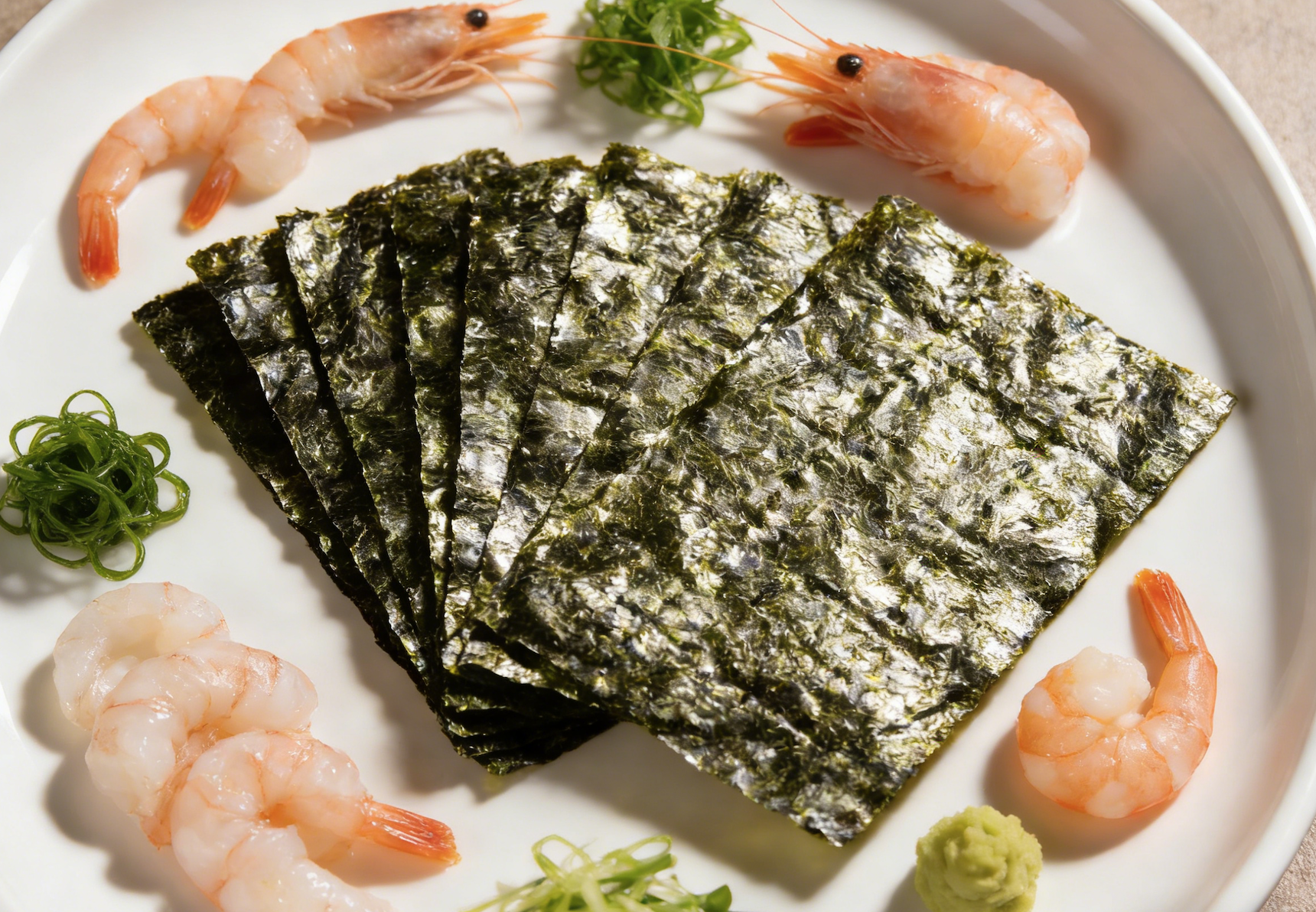
Analysis of seaweed's effects on regulating blood pressure, blood sugar, and cholesterol: Blood sugar reduction and two healthy recipes.
This article details how seaweed, through its polysaccharides, magnesium, and taurine, can effectively lower blood sugar and blood viscosity, thus helping to regulate the "three highs" (high blood pressure, high blood sugar, and high cholesterol). It provides dietary remedies for hypertension and healthy recipes such as seaweed and sea cucumber soup, offering dietary guidance for people with these conditions.
2026-03-07
Chest pain has various causes and requires differentiation: An analysis from angina to aortic dissection
This article analyzes the different causes of chest pain, including angina, myocardial infarction, and aortic dissection, emphasizing the dangers of blindly using medication and helping readers correctly identify the type of chest pain and seek medical attention in a timely manner.
2026-03-08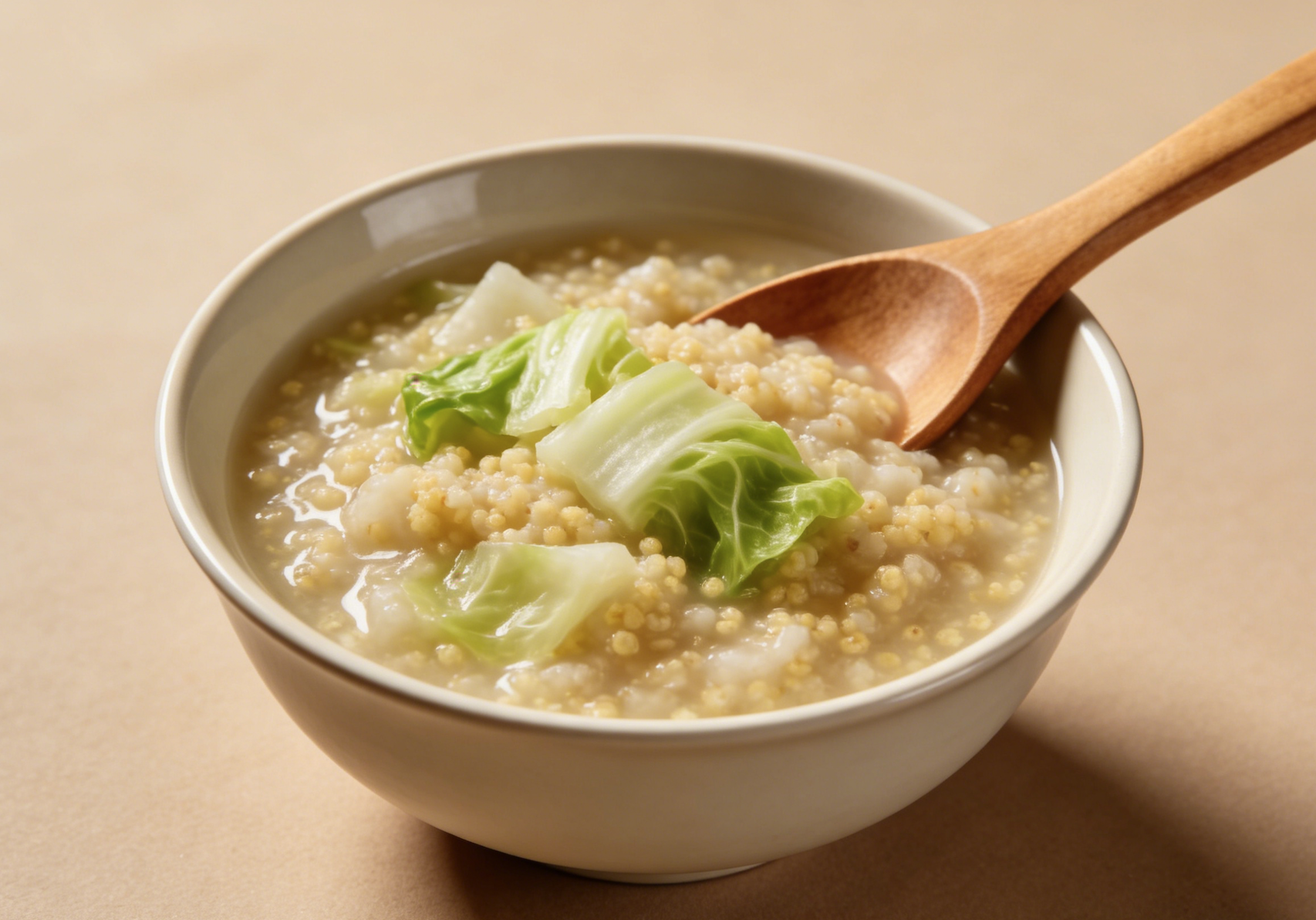
Bok choy and corn porridge with mung beans and red beans: Three easy homemade recipes to lower blood pressure, blood sugar, and cholesterol.
This article recommends three easy-to-make home-style recipes: bok choy and corn porridge, mung bean soup, and red bean porridge. It details the benefits of mung beans and red beans in helping to lower blood pressure, blood sugar, and cholesterol. Using these ingredients appropriately can be a healthy dietary choice for daily management of these three conditions.
2026-03-08