
Kidney damage caused by hypertension and diabetes and related medications
The damage of hypertension to the kidneys is a long process. Initially, it involves arteriosclerosis and narrowing of the renal arterioles. Under chronic ischemia, a large number of nephrons (glomeruli and tubules) atrophy, followed by fibrosis, a condition known as hypertensive nephrosclerosis. This leads to impaired renal excretion, retention of metabolic end products such as creatinine and urea nitrogen, resulting in uremia. Among antihypertensive drugs, angiotensin-converting enzyme inhibitors (ACEIs) and angiotensin II receptor blockers (ARBs) are the most effective drugs for protecting the kidneys. Commonly used ACEIs include captopril and enalapril. The main adverse reaction is an irritating dry cough. They are contraindicated in cases of bilateral renal artery stenosis. Commonly used ARBs include losartan and valsartan. They provide sustained and stable blood pressure reduction. Diabetic nephropathy (DN) is one of the most common complications of diabetes. Long-term hyperglycemia is the most critical cause. It is classified into five stages according to changes in renal function and disease progression.
Figure 1. Staging of diabetic nephropathy (based on Mogensen's recommendations)
Stage 1: Increased glomerular filtration rate, no proteinuria. Glomerular hypertrophy, GFR > 150 ml/min.
Phase 2: Normal albuminuria phase. UAE < 20 μg/min. Proteinuria appears after exercise.
Stage 3: Microalbuminuria stage (early diabetic nephropathy). UAE is 20–200 μg/min. Treatment at this stage offers hope for reversing the disease.
Stage 4: Overt diabetic nephropathy. UAE > 200 μg/min or persistent proteinuria > 0.5 g/d. Hypoproteinemia, edema, and hypertension appear.
Stage 5: End-stage renal failure. Serum creatinine and blood urea nitrogen are significantly elevated. GFR <10 ml/min.
Treatment of diabetic nephropathy: ① Strict blood glucose control: Insulin is the first choice. Gliquidone can be used as an oral medication. ② Active blood pressure control: Treatment should begin when blood pressure is higher than 145/(90-95) mmHg. ACE inhibitors (such as captopril) are the first choice. ③ Restricting protein intake: This is the most basic measure to slow the progression. For patients with massive proteinuria, protein intake should be limited to 0.6-0.8 g/(kg·d). Animal protein should be the main source of protein. ④ Dialysis and kidney transplantation: Dialysis should be started when the endogenous creatinine clearance rate is <15 ml/min. Kidney transplantation and combined kidney-pancreas transplantation are currently the most effective treatments for end-stage renal disease.

Analysis of the three core characteristics of health supplements: a balance of safety and functionality
This article provides a detailed analysis of the three core characteristics of health supplements, emphasizing their safety, functionality, and suitability for specific populations as special foods. Health supplements cannot replace medicines; a correct understanding of their characteristics helps in the scientific selection and use of supplements, enabling targeted health management.
2026-03-09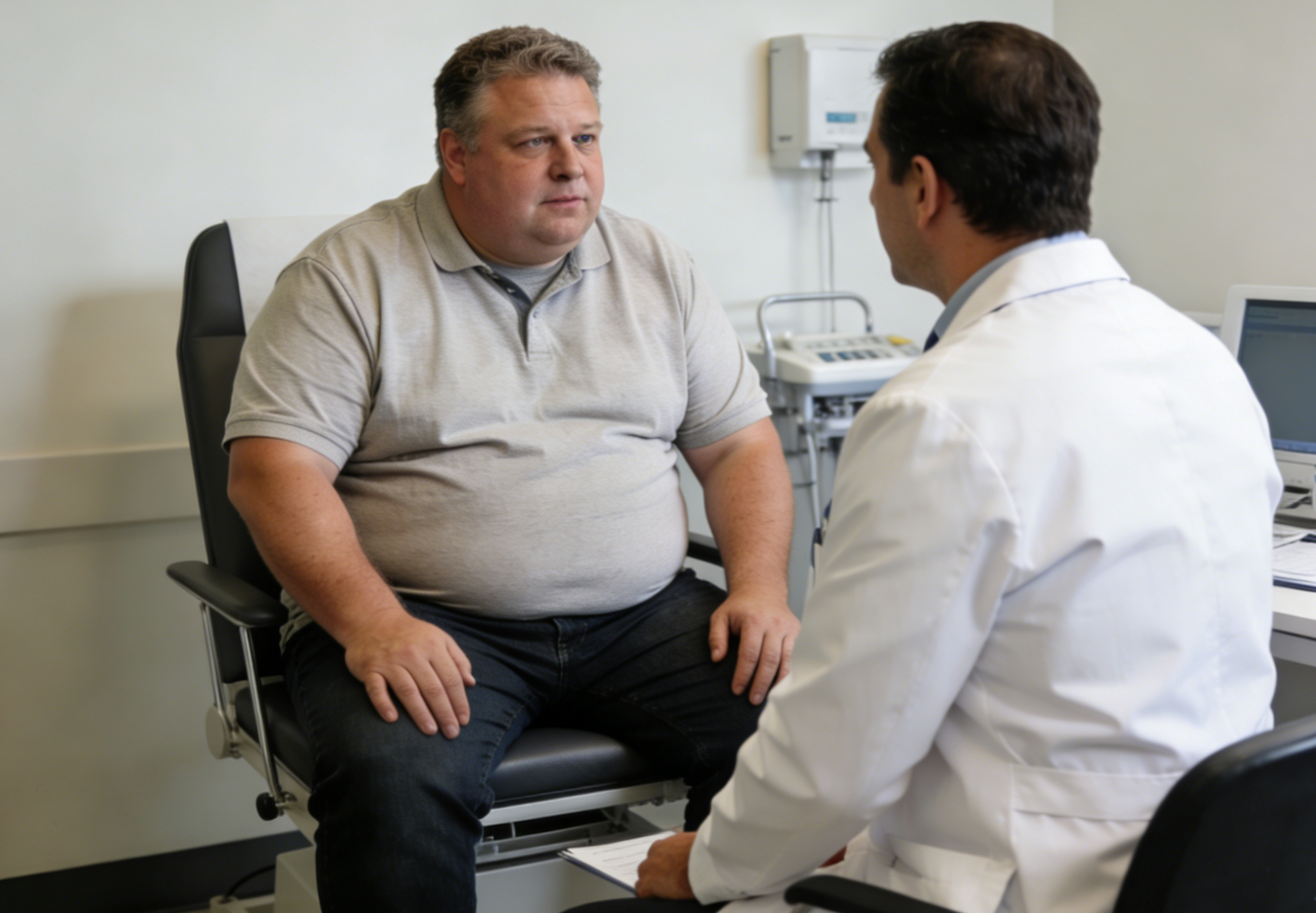
Analysis of symptoms of elevated blood pressure, screening populations, and patterns of blood pressure fluctuations
This article analyzes the possible symptoms of elevated blood pressure, identifies the groups of people who need to monitor their blood pressure closely, and explains why blood pressure fluctuates and its diurnal variation. It helps you scientifically understand blood pressure changes and manage your health in a timely manner.
2026-03-12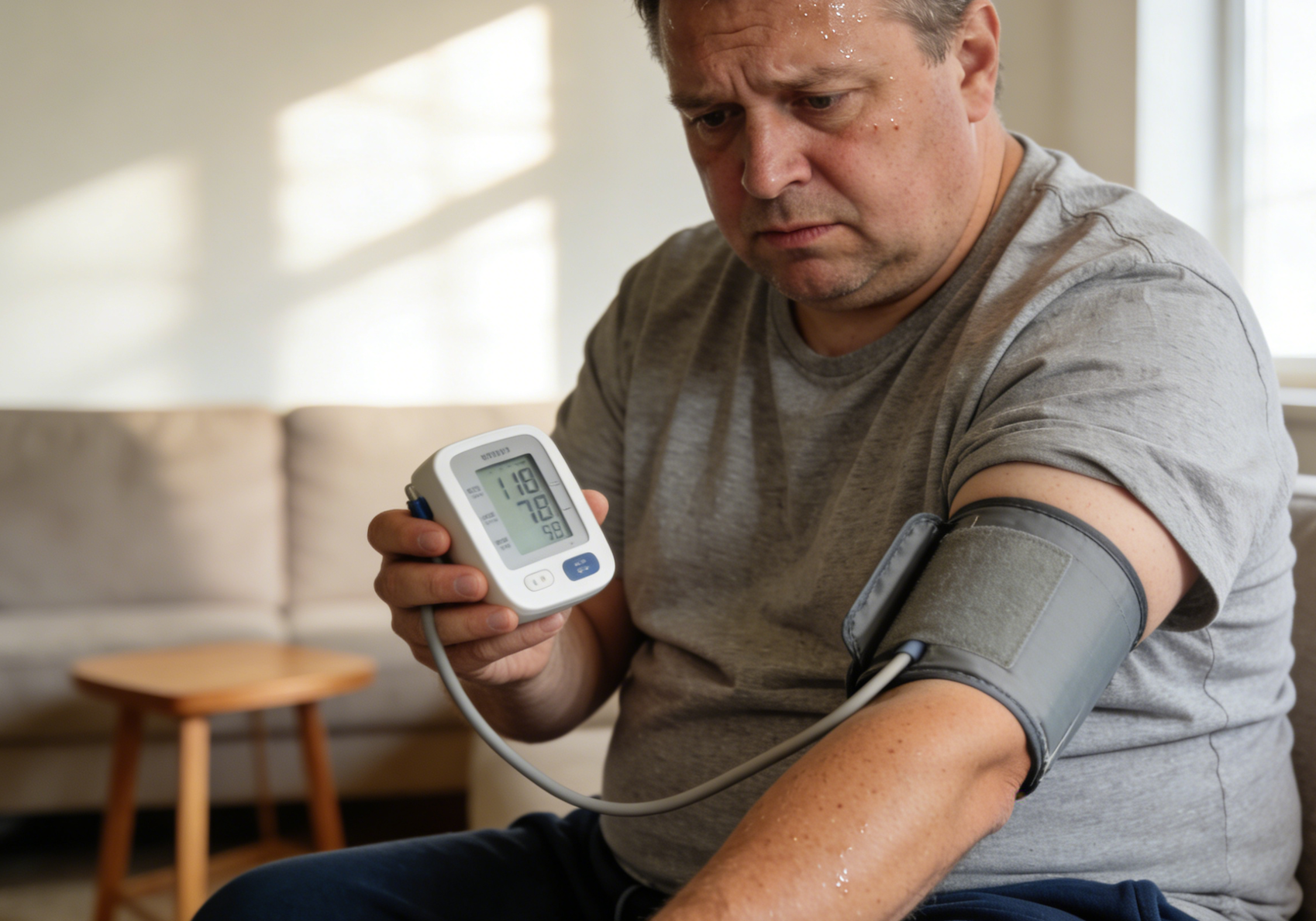
How to accurately measure blood pressure: Detailed explanation of blood pressure monitor selection and precautions.
This article details how to choose a more accurate blood pressure monitor and outlines key precautions and correct procedures. Mastering these methods will help you obtain accurate blood pressure readings, providing a reliable basis for health management.
2026-03-12