
Unveiling the Silent Killer Nature of Hypertension and Guidelines for Daily Prevention and Common Symptoms
10. Why is hypertension called a "silent killer"? Did you know that hypertension is called a "silent killer"? Why is that? Many people with hypertension know that when blood pressure rises, symptoms such as dizziness, headache, fatigue, insomnia, memory loss, poor concentration, and irritability may occur. However, the severity of symptoms is often not proportional to the level of blood pressure. Some hypertension patients do not experience any discomfort on a daily basis and only discover their hypertension incidentally during a physical examination; or they may have already experienced damage to target organs such as the heart, brain, and kidneys. Sometimes, they may even wake up one morning to find that one side of their limbs is unresponsive, only then realizing they have hypertension. Therefore, hypertension is called a "silent killer."
11. How to prevent the occurrence of hypertension. The prevention of hypertension should start from the little things in life and be persistent. The specific methods are as follows: (1) Stay calm when things happen. This requires the elderly to stay calm when things happen and to restrain themselves when they encounter unpleasant things. They should learn to release their unhappiness, such as talking more with family and friends and expressing their thoughts and demands; when they are about to get angry, they should leave the scene and do something else, or change the topic and distract themselves, so as to resolve their anger and resentment. (2) Have a regular life. For the elderly, a regular life is very important for the prevention of hypertension. First of all, the elderly should have a balance between work and rest, and work and rest should be moderate. They should maintain 7-9 hours of sleep and 1-2 hours of physical activity every day. They should drink light tea, not smoke, and drink less alcohol (a small amount of white wine is acceptable). Because the main component of cigarettes, nicotine, can excite the sympathetic nervous system, cause peripheral vasoconstriction and thus increase blood pressure; the main component of alcohol can damage the cardiovascular vasomotor function, harden the blood vessel walls, and easily cause hypertension. (3) Eat a reasonable diet and avoid obesity. The diet of the elderly should be based on the principle of supplementing sufficient nutrition without causing obesity, because obesity will cause high blood pressure and increase the incidence of cardiovascular and cerebrovascular diseases. On weekdays, pay attention to avoiding overeating, focusing on light food, and eating less or no fatty and sweet foods. Control the amount of salt used when cooking, with a daily intake of 4 to 6 grams. Supplement with calcium-rich foods such as milk, dried shrimp, radish, honey, etc., as calcium has the effect of lowering blood pressure. For obese elderly people, it is important to adhere to a moderate diet and participate in physical exercise, and not to blindly take weight loss drugs to avoid adverse reactions. (4) Participate in sports. Practice has proven that appropriate participation in sports can relax muscles and tendons, promote blood circulation, and play a certain role in preventing hypertension. Depending on one's own situation and the surrounding environment, one can choose brisk walking, jogging, Tai Chi, sword practice, swimming, table tennis, etc. When doing each exercise, pay attention to the amount of exercise, proceed gradually, and persevere to see results. (5) Listen to music often. Beautiful music can soothe the mind and improve mood.
12. What are the symptoms of hypertension? Generally speaking, patients with hypertension often have no symptoms or only mild symptoms in the early stages. It is often discovered during physical examinations or when blood pressure is measured for other reasons. However, the symptoms of hypertension often vary from person to person and from stage to stage of the disease. Moreover, the symptoms are not necessarily related to the degree of blood pressure elevation. Therefore, it is often seen in clinical practice that some people have many symptoms even though their blood pressure is not very high, while others have no obvious symptoms even though their blood pressure is very high. Understanding the symptoms is helpful for early detection of hypertension. Common symptoms are as follows: (1) Dizziness. Dizziness is the most common symptom of hypertension. Dizziness can be transient, often occurring when suddenly squatting or standing up, or it can be persistent. When dizzy, there is a persistent dull discomfort in the head, which can seriously hinder thinking, affect work, and cause loss of interest in the surrounding things. When a hypertensive crisis or vertebrobasilar insufficiency occurs, symptoms similar to those of inner ear vertigo may also occur. (2) Headache. Headache is also a common symptom of hypertension. It is often a persistent dull pain or throbbing pain, or even a bursting pain. It often occurs when waking up in the morning and gradually lessens after getting up and eating. The pain is mostly located on the temples on both sides of the forehead and the back of the head. (3) Irritability, palpitations, and insomnia. Patients with hypertension are often irritable, sensitive, and easily agitated. Palpitations and insomnia are common. Insomnia is often characterized by difficulty falling asleep or waking up early, restless sleep, nightmares, and being easily startled. This is related to the dysfunction of the cerebral cortex and the autonomic nervous system. (4) Inattention and memory loss. This is often not obvious in the early stages of hypertension, but it can gradually worsen as the condition progresses, which is quite distressing. Therefore, it often manifests as forgetting recent things, such as not knowing where the object that was just put down is, or forgetting what was said in front of you. You remember recent events, but you remember past events such as things from your childhood very well. (5) Numbness of limbs. Numbness of the fingers and toes or a crawling sensation on the skin or tension and soreness of the neck and back muscles are common. Some patients often feel that their fingers are not flexible. Generally, the condition can improve after appropriate treatment. However, if the numbness of the limbs is persistent, lasts for a long time, and is fixed in a certain limb, and is accompanied by limb weakness, cramps, and throbbing pain, you should go to the hospital for treatment in time to prevent stroke. (6) Bleeding. Less common. Because hypertension can lead to arteriosclerosis, the elasticity of blood vessels decreases and their fragility increases, so they are prone to rupture and bleeding. Among them, nosebleeds are the most common, followed by conjunctival hemorrhage, fundus hemorrhage, cerebral hemorrhage, etc. According to statistics, about 80% of patients with massive nosebleeds have hypertension. Therefore, when you find unexplained dizziness, headache or other symptoms mentioned above, you should pay attention to whether hypertension has occurred and measure your blood pressure in time. If it has been confirmed that the blood pressure is high, you should start treatment as soon as possible, adhere to medication, and avoid further development of the condition. Generally, after blood pressure is controlled, the symptoms of dizziness, headache, tinnitus, palpitations, limb numbness, insomnia and other symptoms of hypertension can be significantly improved.
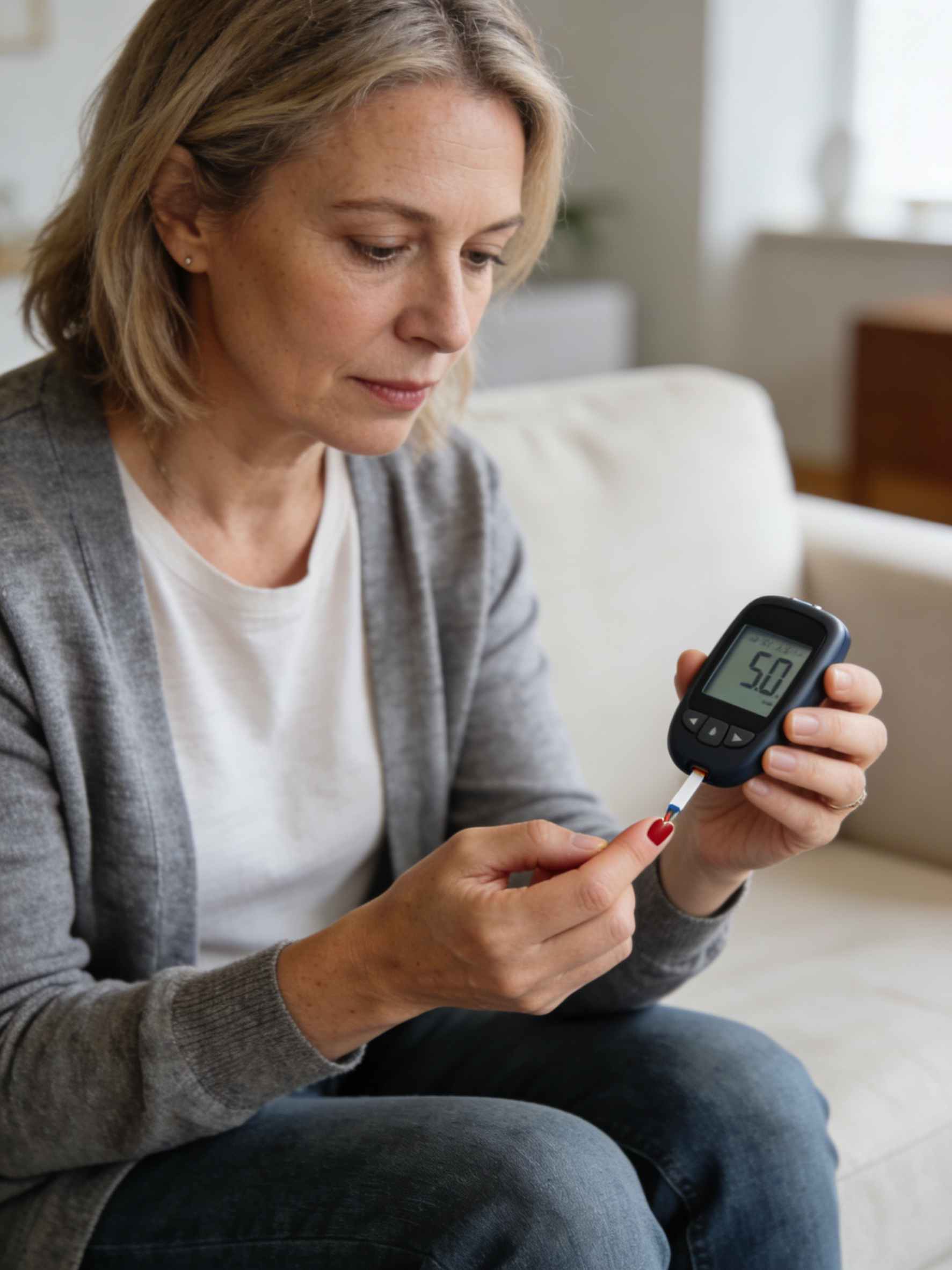
Lifestyle interventions and blood glucose monitoring for diabetes: the cornerstone of personalized chronic disease management
This article details how diabetic patients can control their condition through scientific lifestyle interventions and precise blood glucose monitoring. It covers the basic principles of dietary therapy, the benefits and safety precautions of aerobic exercise, and multi-dimensional monitoring protocols including postprandial blood glucose and glycated hemoglobin. The article aims to help patients establish systematic self-management habits, improve treatment effectiveness, and reduce the risk of complications.
2026-03-24Common Misconceptions and Risk Warnings about Vitamin Supplementation: Deficiency Diagnosis, Symptoms of Poisoning with Different Types and Timing of Administration, and In-depth Analysis of Vitamin Supplementation Through Tea
Vitamins are not stimulants, and blindly taking large doses carries significant risks. This article systematically lists the symptoms of vitamin A, D, B complex, C, E, and K overdose and provides self-testing criteria for vitamin deficiencies. The article further explores the relationship between vitamins and male sexual function and sperm motility, clarifies the absorption mechanism of...
2026-03-30Hypertension Crisis Prevention and Hyperlipidemia Introduction: Identification of High-Risk Groups, Emergency Treatment, and Basic Knowledge of Blood Lipids
The dangers of hypertension extend to emergency treatment and chronic lipid metabolism disorders. This article first defines ten groups of hypertensive individuals prone to accidents and lists six critical signs requiring immediate medical attention. By introducing a three-tiered prevention system for hypertension, the article smoothly transitions to a chapter on hyperlipidemia, providing a...
2026-03-30