
Daily Management of Hyperglycemia: Guidelines for Daily Routine, Weight, and Footwear Selection
Maintaining a regular sleep schedule, going to bed early and waking up early: Maintaining a regular sleep schedule is very important for diabetic patients. Patients should try to keep their wake-up and bedtime consistent each day, especially their wake-up time, as a regular wake-up helps them fall asleep regularly at night. Go to bed immediately when you feel sleepy. Avoid stimulants to promote a good night's sleep. Try to drink coffee in the morning and avoid stimulants such as chocolate, caffeinated soda, and tea in the evening, as these can delay sleep and affect sleep quality. Do not read before bed, keep the room lights dim, and do not go to bed hungry. If you can't fall asleep, believe that you will.
Diabetic patients should go to bed early. Staying up late disrupts the body's biological clock, interferes with normal metabolic activities, increases the secretion of adrenaline and noradrenaline, raises blood sugar, and leads to decreased immunity and other adverse effects.
Weight control is important: The effectiveness of diabetes control is closely related to weight. So how is ideal weight calculated? Ideal weight = height (cm) - 105. Anyone whose weight exceeds their ideal weight by 20% is considered obese, and those whose weight is less than 20% is considered underweight. Alternatively, men with a waist circumference greater than 2.7 feet and women with a waist circumference greater than 2.4 feet are also considered obese. Acquired diabetes is mostly caused by obesity. Once it develops, it is difficult to cure completely, and if left untreated, it will continue to worsen. Enlarged fat cells have a relatively reduced number of insulin receptors, preventing insulin from performing its normal physiological function, leading to elevated blood sugar levels, promoting and aggravating cardiovascular and cerebrovascular diseases, and potentially causing stroke, heart disease, retinopathy, and other complications. It may also damage the nervous system. Of course, excessively restricting food intake to lower blood sugar and causing rapid weight loss to the point of being emaciated is also not advisable, as emaciation leads to muscle atrophy, decreased physical condition, and increased susceptibility to peripheral neuropathy. Only genuine treatment is truly effective. For diabetic patients, the best way to control weight is through walking. This burns excess glucose in the blood, promotes insulin utilization, regulates blood sugar levels, and thus plays an auxiliary role in the treatment of diabetes.
Choosing the Right Shoes and Socks: Diabetics must wear comfortable shoes to protect their feet. Shoes must completely cover the entire foot; avoid flip-flops or sandals, and never walk barefoot.
If wearing leather or canvas shoes, the size must be a perfect fit, allowing for free movement of the toes. Check your feet after each use. If you notice redness in any area, the shoes are too tight, and you should immediately buy new shoes. Also, feet often swell during the day, so shoes that fit in the morning may not fit in the afternoon.
"Casual shoes" are ideal for diabetics. These shoes provide good support and have a wider toe box to prevent toe pinching.
When trying on new shoes, never wear them for more than 1-2 hours. Afterward, remove the shoes and check for any redness, swelling, or blisters. If present, the shoes are too tight. If your leather shoes are too narrow, have them altered.
People with diabetes must wear clean socks at all times, preferably wool or cotton socks, as these help keep feet dry. Avoid wearing tight-fitting, highly elastic fiber socks, as these can cut off blood supply to the feet.

How does lifestyle affect high blood pressure? Five adjustments to help stabilize your blood pressure.
This article explores the impact of lifestyle on hypertension, analyzing how non-pharmacological interventions such as weight loss, salt restriction, and exercise can effectively lower and stabilize blood pressure. Understanding and implementing these adjustments can help hypertensive patients better manage their blood pressure levels.
2026-01-20
Dietary Guidelines for Patients with Hypertension: Salt Restriction, Potassium Supplementation, and Dietary Structure Adjustment Plan
This article provides scientific dietary guidance for patients with hypertension, emphasizing core principles such as limiting sodium, controlling fat intake, increasing potassium and calcium intake, and controlling calorie consumption. Reasonable dietary adjustments can effectively help lower and stabilize blood pressure levels, and are an important component of non-pharmacological treatment for hypertension.
2026-01-20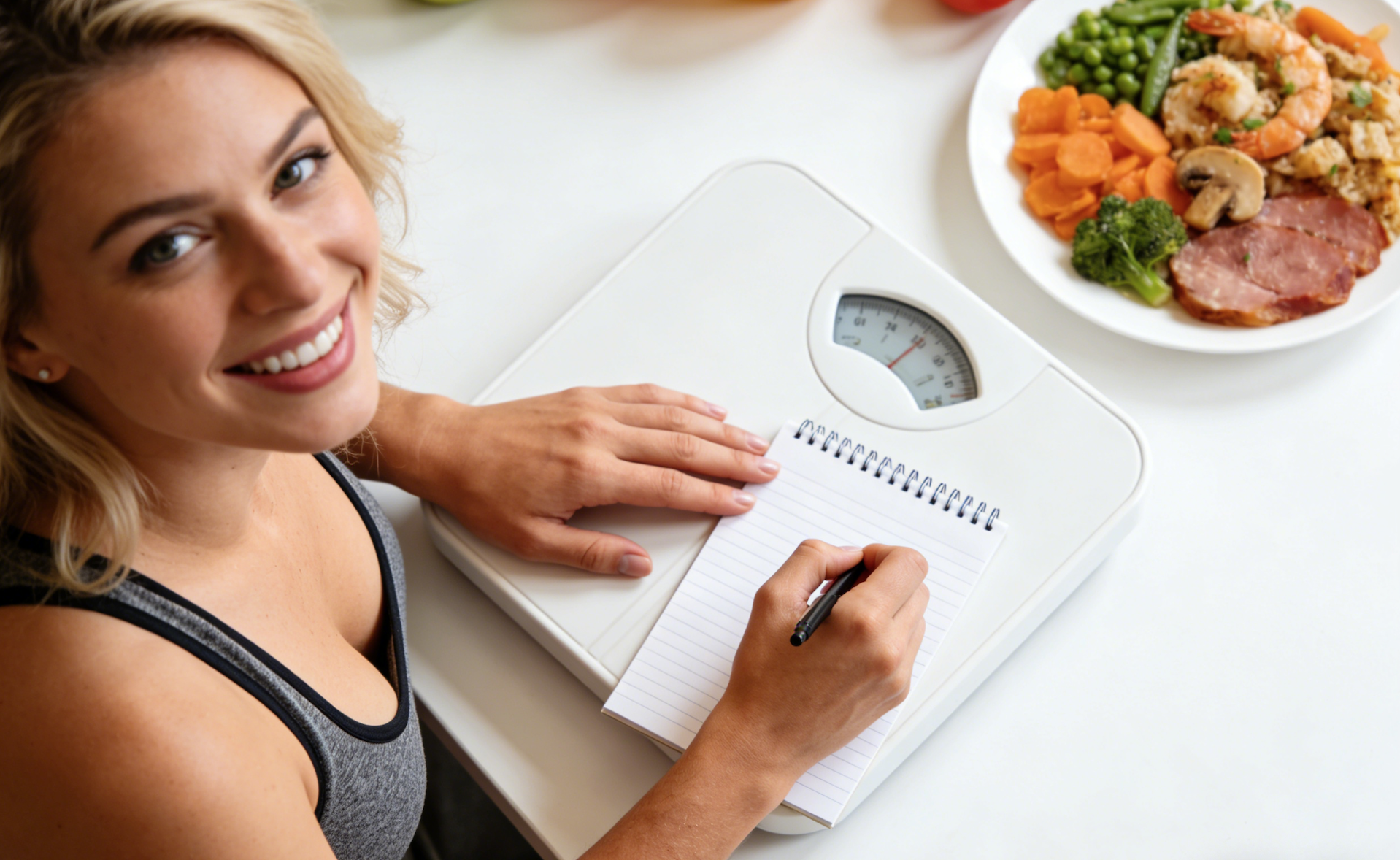
Essential reading for people with hypertension: Weight loss, quitting smoking, and limiting alcohol consumption are crucial for controlling blood pressure.
This article explores in detail the crucial roles of weight loss, smoking cessation, and alcohol limitation in blood pressure management. Studies have shown that being overweight and drinking alcohol are significant risk factors for elevated blood pressure, and that scientific weight loss and strict alcohol limitation can effectively lower blood pressure. These non-pharmacological interventions have significant benefits for hypertensive patients in controlling blood pressure and preventing complications.
2026-01-20