
Detailed Explanation of Heart Structure and Corresponding Examination Methods: From Myocardium to Coronary Arteries
Smoking: Smoking is a major and independent risk factor for cardiovascular disease. Data shows that smokers have a significantly higher probability of myocardial infarction than non-smokers; the greater the amount of smoking, the higher the risk of myocardial infarction; those who smoke ≥20 cigarettes/day have a three times higher risk of myocardial infarction than non-smokers.
The harm of smoking to the human body mainly includes the following six aspects:
(1) Aldehydes, nitrogen compounds, and olefins irritate the human respiratory tract;
(2) Nicotine stimulates the sympathetic nervous system, leading to dependence;
(3) Amines, cyanides, and heavy metals are all toxic substances;
(4) Benzo[a]pyrene, arsenic, cadmium, methylhydrazine, aminophenol, and other radioactive substances are carcinogenic;
(5) Phenolic compounds and formaldehyde accelerate the carcinogenesis of human cells;
(6) Carbon monoxide reduces the ability of red blood cells to transport oxygen throughout the body.
By comparing the above data, you can roughly determine your probability of having heart disease. However, please don't panic excessively. Always obtain an accurate diagnosis from a reputable hospital and do not self-medicate.
How to check for heart problems: The heart is a vital organ responsible for supplying blood and oxygen to all organs. If the heart has a problem, the entire body will be affected. Many heart diseases are irreversible once they occur, so early detection and treatment are crucial. When checking your heart at the hospital, doctors sometimes order an echocardiogram, and sometimes perform a Holter monitor or coronary CT scan. So how exactly is the heart checked? Before answering this question, let's understand the heart itself.
Heart Components:
Myocardium: As the name suggests, this is the muscle of the heart and its main component. These muscles contract and relax to pump blood out of the heart, supplying blood to all organs. They also enclose the heart in four chambers: the left ventricle, left atrium, right ventricle, and right atrium, separated from the ventricles by heart valves.
Coronary Arteries: The heart beats day and night without rest, therefore...
Pulmonary Valve: Requires a large amount of blood and oxygen, and the coronary arteries are the blood vessels that supply blood to the heart itself. Their patency directly affects the sufficiency of blood and oxygen supply to the myocardium.
Cardiac Electrical Conduction System: The heart has the function of beating autonomously, unlike other muscles in the body. The cardiac electrical conduction system controls the normal contraction and relaxation of the myocardium. Disorders in the electrical conduction system can cause arrhythmias, such as premature contractions and atrial fibrillation.
Cardiac Examination:
Myocardial Examination: The simplest method for examining the myocardium is echocardiography. It can detect the size, structure, and thickness of the myocardium, and estimate whether the heart's ejection function is normal. It can diagnose whether a patient has cardiomegaly, heart failure, congenital heart disease, etc. Severe cardiomyopathy can be diagnosed using myocardial MRI and myocardial radionuclide scans.
Coronary Artery Examination: Heart disease caused by coronary artery problems is relatively common. The main focus is on whether the patient has coronary artery stenosis and the degree of stenosis. Depending on the degree of coronary artery stenosis, patients may experience symptoms of angina or even myocardial infarction. Ordinary coronary atherosclerosis can be detected through treadmill exercise testing, coronary CT angiography, or coronary angiography. In severe cases, such as myocardial infarction, immediate coronary angiography and stent implantation are necessary.
Coronary CT angiography and coronary angiography provide a very direct view of whether there are lesions or stenosis in the coronary arteries. Coronary CT angiography primarily uses CT angiography and computer-aided 3D reconstruction to show the degree and location of vascular stenosis. Coronary angiography has long been the gold standard for diagnosing coronary artery disease; if severe stenosis is found after angiography, treatment can be initiated directly.
Examining the cardiac electrical conduction system: The simplest way to examine the cardiac electrical conduction system, i.e., cardiac activity, is the familiar electrocardiogram (ECG). However, ECG records cardiac electrical activity for a relatively short period, which may miss cardiac electrical activity during an attack. Therefore, doctors sometimes recommend that patients undergo Holter monitoring, a 24-hour monitoring system to more accurately determine if the patient has symptoms such as arrhythmias or premature contractions.
Now that we've covered this, do you have a basic understanding of the various heart examinations? Different heart examinations serve different purposes and cannot be substituted for one another. Doctors will order different tests based on the patient's specific clinical presentation in order to accurately diagnose the condition.

Guidelines for the identification and prevention of hypertension in adolescence, old age and high altitude
This article analyzes the characteristics of hypertension in three special populations: adolescents, the elderly, and those living in high-altitude areas. For different causes, such as hypertension due to puberty, arteriosclerosis, and high-altitude hypoxia, it provides corresponding monitoring focuses and prevention strategies to help readers scientifically manage abnormal blood pressure.
2026-02-07
Malignant Hypertension with Encephalopathy: Symptoms, Diagnosis and Emergency Care Guidelines
This article provides a detailed analysis of the symptoms of malignant hypertension and hypertensive encephalopathy, such as a sudden increase in blood pressure, headache, and vomiting, as well as their pathogenesis and diagnostic methods. It focuses on emergency treatment measures, emphasizing timely blood pressure control to prevent cerebral edema and organ damage, and provides guidance for patient care.
2026-02-26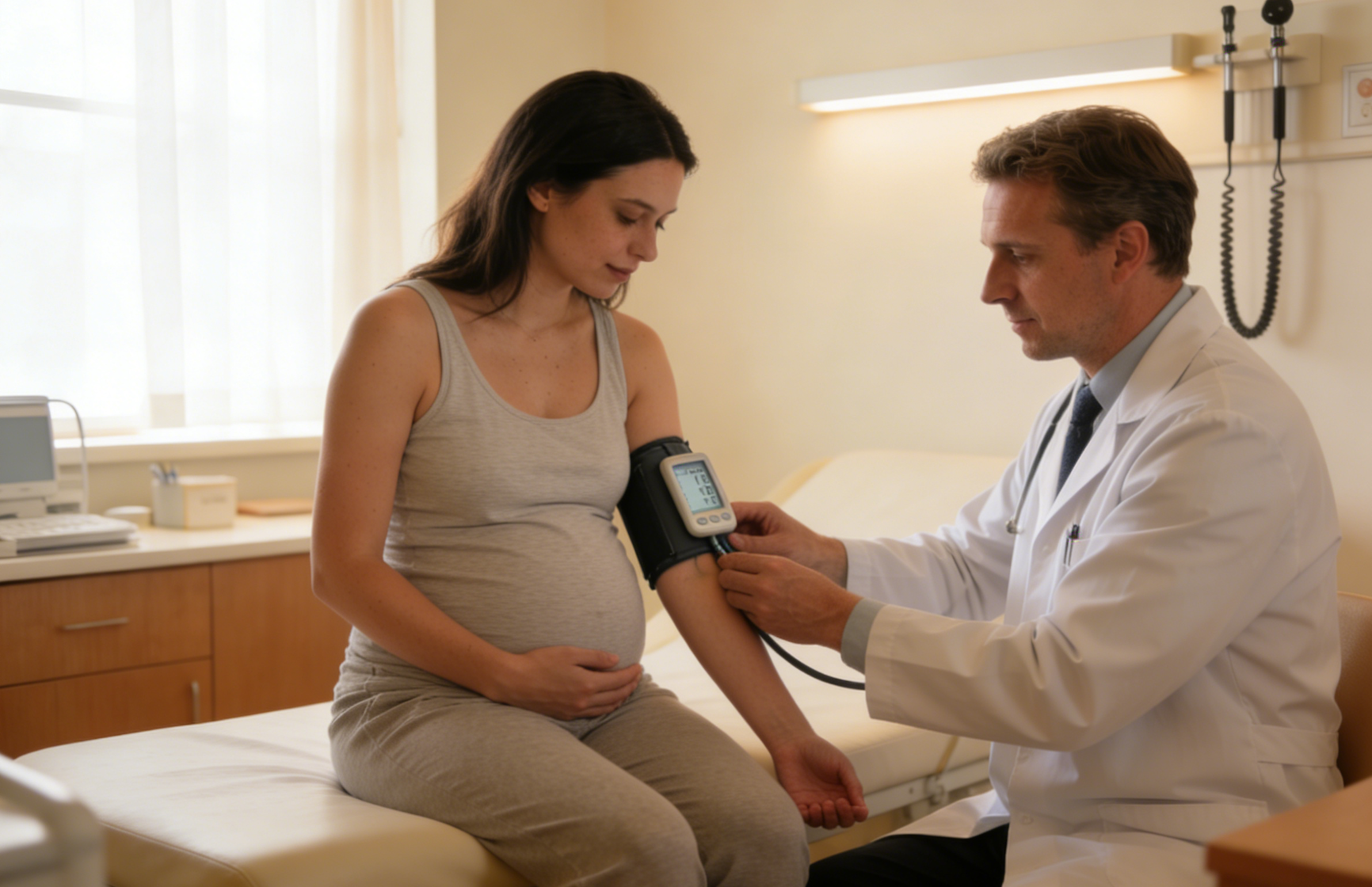
Pregnancy-induced hypertension and its effects on the heart and prevention and treatment measures
This article explores the diagnostic criteria for gestational hypertension and its long-term effects on the heart, including left ventricular hypertrophy and coronary artery disease. Understanding these complications caused by elevated blood pressure helps in taking early preventive and treatment measures to protect maternal and infant health and cardiac function.
2026-02-27