
Psychological adjustment for prostatitis, an overview of stomach diseases, and an understanding of chronic gastritis.
Positive psychological adjustment
Clinical experts point out that to completely cure prostatitis, medication alone is insufficient. Appropriate psychological therapy and care are also essential to effectively reduce the patient's psychological stress and eliminate the vicious cycle caused by psychological barriers, thus achieving an effective cure. Specifically, patients should understand the following aspects during treatment:
1. Understand your own disease-related knowledge.
A lack of knowledge about chronic prostatitis is a significant factor contributing to patients' psychological distress. It's important to note that some media outlets and advertisements lack scientific accuracy in their portrayal of the disease or exaggerate its dangers. Such propaganda either causes anxiety or increases patients' wishful thinking, leading them to seek treatment and take medications based on advertised claims, ultimately resulting in them being deceived, undermining their confidence in treatment, and exacerbating their psychological burden. Therefore, it is essential for patients to learn about the disease, understand how to seek medical attention, and adhere to treatment plans to ensure they are fully informed.
2. Be brave enough to face it and seek medical attention promptly.
Many patients are introverted or shy, and embarrassed to talk about their condition. Enduring the pain of prostate problems can easily lead to anxiety, depression, pessimism, and other psychological issues. Only by facing reality, seeking medical attention promptly, and truthfully informing the doctor about their symptoms and related conditions can patients prevent and overcome psychological barriers and actively cooperate with treatment.
3. One should have a healthy sexual awareness and good sexual behavior.
Some patients are unwilling to seek treatment at regular hospitals due to inappropriate sexual behavior; others suffer from sexual dysfunction and are constantly anxious and uneasy because they worry about the impact on their marital relationship and fertility.
These psychological barriers and emotions increase the patient's mental burden, directly affecting treatment and leading to increasingly poor efficacy. Therefore, patients with chronic prostatitis should actively and thoroughly correct their unhealthy sexual behaviors, re-establish healthy and positive sexual concepts and awareness, and achieve complete mental relief.
4. Maintain a positive mood and boost your confidence in treatment.
Chronic prostatitis has a long course and is prone to recurrence, often causing patients to feel upset, anxious, depressed, pessimistic, and even depressive, which affects their confidence and progress in treatment.
Therefore, patients should pay attention to psychological adjustment while taking medication. They should fully understand that although chronic prostatitis is difficult to treat, it is not an incurable disease. They should strive to overcome negative psychological states, maintain a cheerful mood, strengthen their confidence in treatment, and cooperate with the treatment. In some patients, the cause of the disease is severe mental and psychological abnormalities; many doctors believe that chronic prostatitis is a psychosomatic illness.
Stomach disease
As people's material and cultural living standards continue to improve, their demands for health and quality of life are also increasing. With this improvement, people's dietary structure has also undergone significant changes. Meat, once reserved for special occasions, has become a staple in many families. Some have developed the habit of not having a banquet without alcohol and not eating without meat, leading to a rapid increase in the incidence of stomach problems, resulting in a situation where "nine out of ten people suffer from stomach ailments."
Due to social competition and changes in dietary structure, middle-aged people have become the main group affected by stomach diseases. Most middle-aged people suffer from stomach problems to varying degrees, with men significantly more affected than women. A health survey of more than 20,000 middle-aged men found that 90% of gastroscopy examinations were abnormal, ranking first among all diseases. Almost every male examinee had problems such as acid reflux and duodenal ulcers.
The high number of middle-aged men suffering from stomach problems is mainly due to factors such as overeating and undereating, excessive smoking and drinking, and irregular lifestyles, which are the main causes of declining stomach function. Secondly, psychological factors cannot be ignored. Middle-aged men often experience work-related stress and relatively high life pressure, and these repeated negative stimuli to the cerebral cortex can easily contribute to stomach problems.
Understanding Chronic Gastritis
Chronic gastritis refers to chronic inflammatory changes in the gastric mucosa caused by various factors. It is a common and frequently occurring disease. Data shows that the incidence of chronic gastritis in people over 50 years of age can reach 50%. Chronic gastritis is a chronic inflammation of the gastric mucosa caused by various etiologies. Essentially, it is a change in the gastric mucosal epithelium due to repeated damage, resulting in irreversible atrophy or even disappearance of the intrinsic gastric glands. This is a common and frequently occurring disease in clinical practice. In fiberoptic gastroscopy, chronic gastritis accounts for more than 80% of all gastric diseases. Chronic gastritis usually refers to chronic superficial gastritis and chronic atrophic gastritis, which often coexist.
Common symptoms of chronic gastritis
1. Upper abdominal pain: accounting for 85%. Mostly dull pain, more than half are related to diet, and are more comfortable on an empty stomach but uncomfortable after meals. Symptoms are often triggered or aggravated by cold, hard, spicy or other irritating foods, and some are related to cold weather.
2. Abdominal fullness: This occurs in approximately 50% of patients. Patients experience upper abdominal fullness even after consuming small amounts of food or on an empty stomach.
3. Belching: accounts for 50%. Increased gas in the patient's stomach is expelled through the esophagus, which can temporarily relieve upper abdominal fullness.
4. Other symptoms: acid reflux, heartburn, nausea, vomiting, loss of appetite, fatigue, etc.

Three-tiered prevention of diabetes: Key measures and strategies for controlling blood sugar
This article provides a detailed analysis of the three-tiered prevention strategy for diabetes, from lifestyle modifications and regular blood glucose monitoring for early detection, to accurate self-monitoring of blood glucose for scientific management and prevention of complications. It guides readers to effectively control blood glucose levels and reduce the risk of developing and progressing to diabetes through systematic preventative measures.
2026-03-06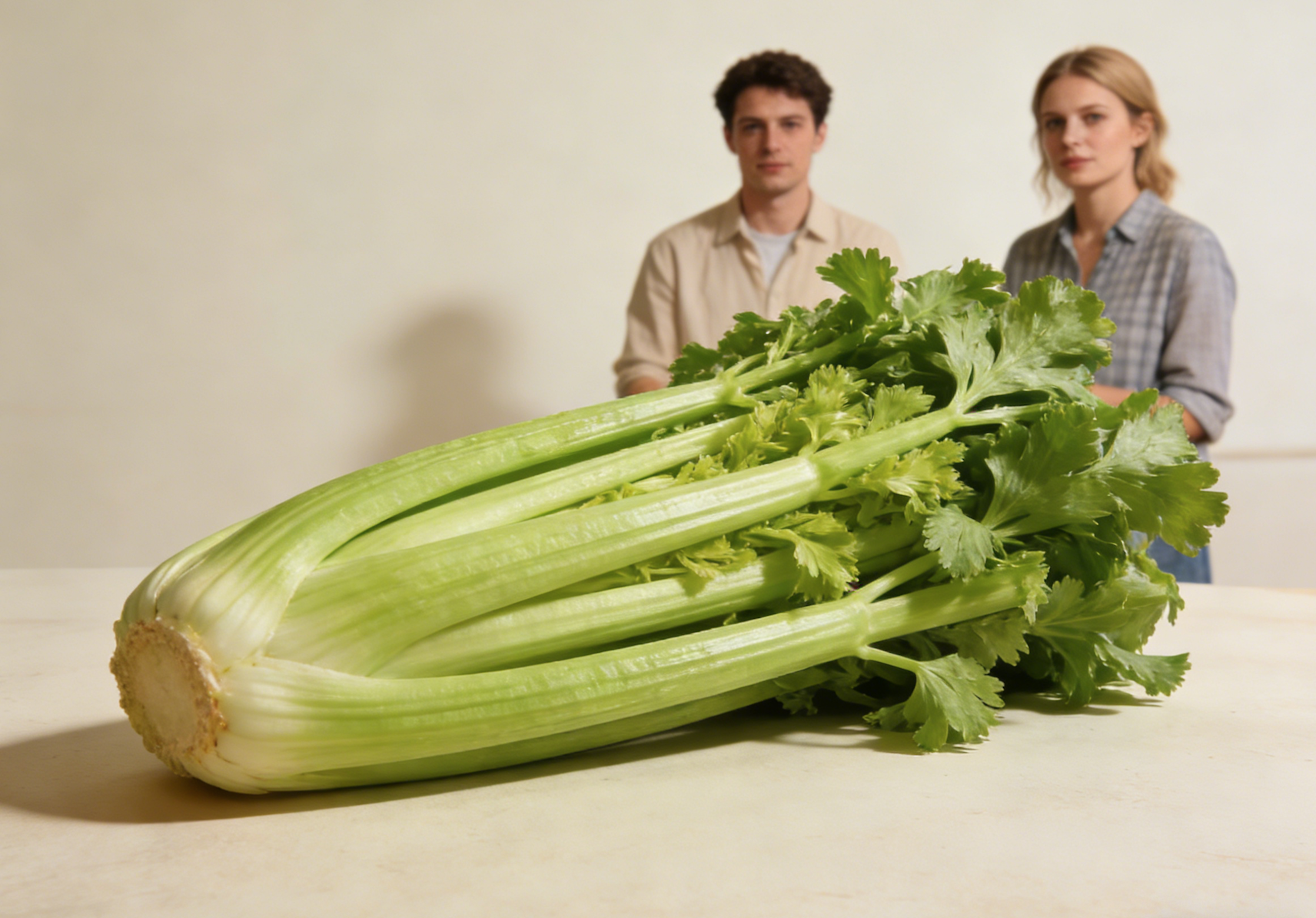
Analysis of the effects of celery and spinach in lowering blood pressure, blood sugar, and cholesterol: dietary therapy and recipe recommendations
This article details the nutritional components and scientific basis of celery and spinach in regulating "three highs" (high blood pressure, high blood sugar, and high cholesterol), and provides practical dietary therapy recipes for these conditions. By understanding the regulating effects of these two vegetables and their healthy recipes, you can add effective dietary options to your daily management of these three conditions.
2026-03-06
Leeks help lower blood pressure, blood sugar, and cholesterol: A comprehensive analysis of their medicinal effects and delicious recipes.
This article provides a detailed analysis of the volatile essential oils and other components in chives, explaining how they can help control high blood pressure, high cholesterol, and high blood sugar by regulating blood pressure and promoting metabolism. It also offers dietary remedies for diabetes and constipation, and includes two practical recipes: stir-fried chives with shrimp, providing a scientific dietary management plan for these conditions.
2026-03-05