
The Hidden Costs of Obesity and the "Fourth High": The Entanglement of Fatty Liver and Hyperuricemia
Fangfang's Tears
25-year-old Fangfang cried, cried so hard that no one could comfort her, until her most respected teacher, Ms. Liu, came to her side and said caringly, "If it doesn't work out this year, we'll apply again next year." Only then did Fangfang stop crying. What made Fangfang so sad? It turned out that Fangfang, who loved being a teacher, was not hired during the job interview because she was too fat. Speaking of Fangfang's weight gain, she deeply regretted it. Before the college entrance examination, her parents, worried that she would overwork herself, constantly gave her extra nutrition. Sitting and studying, with little exercise, the slender Fangfang gradually gained weight. She didn't want to eat so much "nutritious" food, but her parents said, "What's wrong with being a little chubby?" Under her parents' care, Fangfang's grades were always among the top in her class, and her weight increased proportionally. By the time she graduated from university, Fangfang, who was 1.60 meters tall, weighed 80 kilograms, becoming a truly overweight girl. The formula for calculating body mass index (BMI) is: BMI = weight (kg) / height² (m²). Judgment criteria: BMI < 18 - underweight; BMI 18-23 - normal; BMI 23-25 - overweight; BMI ≥ 25 - obese. According to this formula, Fangfang's BMI is 31.25, classifying her as obese.
To become a teacher, Fangfang decided to lose weight. However, during her pre-weight-loss medical examination, doctors discovered that Fangfang's problems were no longer simply "fat"; she also had high cholesterol and fatty liver… The doctor explained, "High cholesterol means that the amount of lipids in the blood exceeds the normal range. High cholesterol easily leads to arteriosclerosis and diseases of the heart and brain. Fatty liver means that the fat content in the liver exceeds 5%. After fatty degeneration occurs in the liver, excessive fat accumulates around the liver cells, interfering with their normal function." How can such an obese and bloated liver function properly? Once liver function is affected, health will be damaged. Medically, the liver is called the body's "chemical factory." This "chemical plant" has many tasks: synthesizing and breaking down essential proteins; maintaining stable blood sugar levels; oxidizing and synthesizing fatty acids; storing vitamins A, D, E, and K; eliminating toxins; and generating energy through metabolism. Under the doctor's guidance, Fangfang correctly used medication, controlled her diet, and exercised appropriately. After more than a year of treatment, she finally lost weight, and the excess fat on her liver basically disappeared. Having returned to a normal weight, Fangfang told her family with lingering fear, "Seeing the doctor, I learned I had fatty liver and high blood lipids, and that both could damage my health. It seems obesity isn't just about appearance; more importantly, it causes disease."
We already know what the "three highs" are, how they form, and their dangers. We also know how to deal with them. Does that mean we can stay away from disease? Actually, no, because in some people's bodies, there's another "high" causing trouble. What is this "high"? This "high" is hyperuricemia, which many people don't know or don't understand. In layman's terms, hyperuricemia, commonly known as gout, occurs when a metabolic disorder of a substance called purine occurs during digestion and absorption, leading to excessive uric acid production or reduced uric acid excretion by the kidneys. This results in uric acid levels exceeding the normal standard of 7 mg/dL, causing a series of adverse reactions. Purine is an organic compound. It is abundant in animal organs and delicious foods such as sardines, caviar, and cauliflower. Due to improved living standards and poor dietary habits, people consume excessive amounts of high-purine foods, leading to purine metabolism disorders. This causes excessive purine to be oxidized into excessive uric acid, while the kidneys excrete uric acid in a way that is insufficient or reduced, resulting in high uric acid levels in the body.
How do you know if your uric acid is high? People with hyperuricemia often experience inflammatory reactions in the joints, such as redness, swelling, heat, and tenderness. Larger joints may also experience joint effusion, leading to limited mobility. Patients with acute hyperuricemia may experience systemic discomfort, such as fever, chills, fatigue, loss of appetite, dizziness, and headache. These symptoms usually subside within 1-2 weeks of onset, after which the affected skin often becomes itchy and scaly. Patients with recurrent episodes of these symptoms may also develop joint deformities, affecting their work and daily life. Like the "three highs" (high blood pressure, high blood sugar, and high cholesterol), hyperuricemia can disrupt the body. To determine if your uric acid levels are high, consider whether your diet is rich in purines and whether you experience any of the above symptoms. If your diet is high in purines and you have these symptoms, please go to the hospital for testing and diagnosis as soon as possible. Hyperuricemia is more common in middle-aged and older men, which may be related to men's dietary habits, unhealthy habits, and susceptibility to cold and dampness. The male-to-female ratio is approximately 6.5:1.
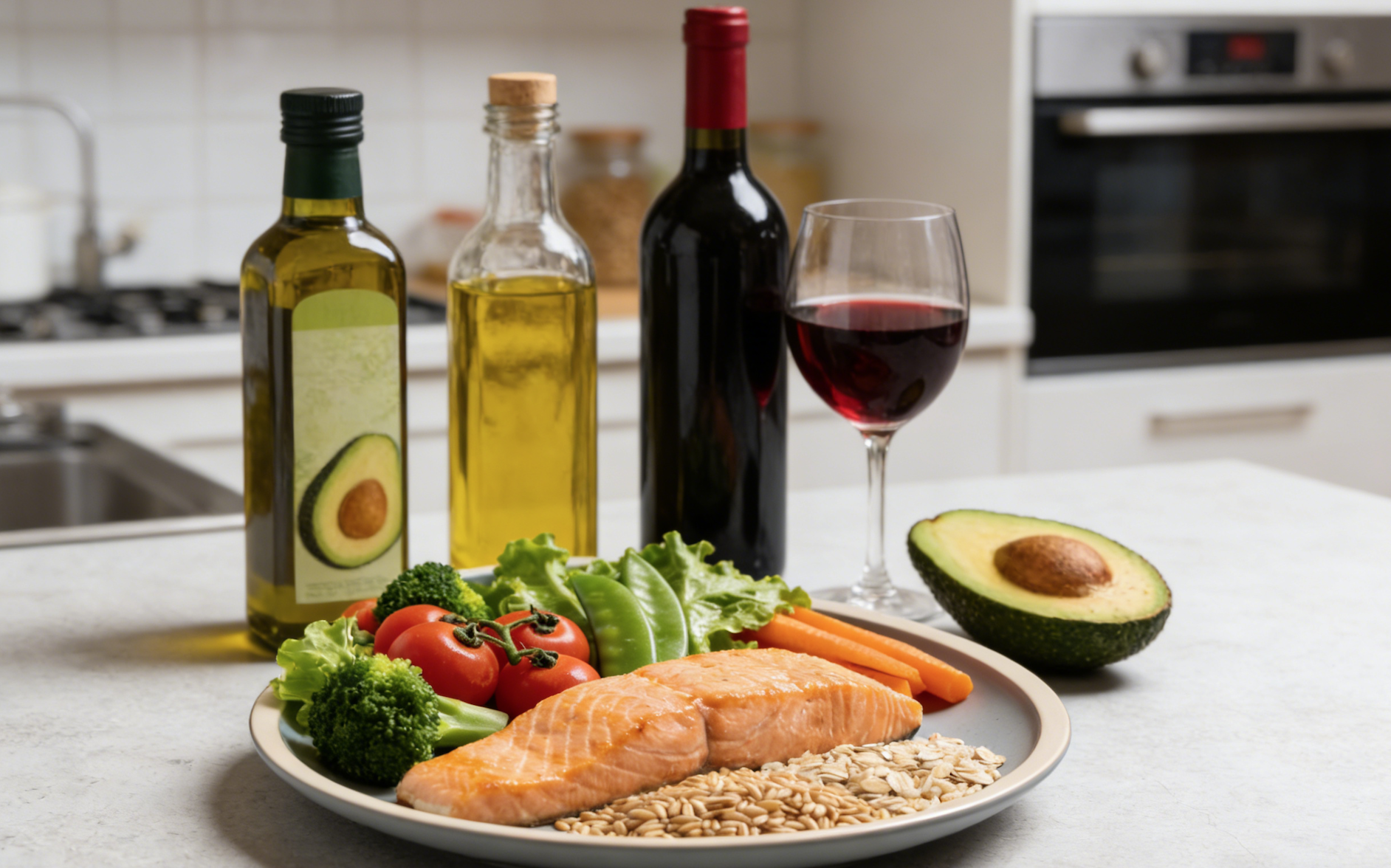
How does moderate consumption of low-alcohol beverages affect blood lipids? A scientific analysis of its advantages and disadvantages.
This article explores the potential benefits of moderate consumption of low-alcohol beverages (such as red wine) on blood lipids, such as increasing levels of "good" cholesterol (high-density lipoprotein) and helping to regulate blood lipids. It also emphasizes the need for strict control of intake (less than 50 grams per day), as excessive consumption can be harmful, providing a scientific dietary reference for managing blood lipids.
2026-01-20
How does plant fiber help lower blood lipids? A breakdown of soluble and insoluble fiber.
This article details how soluble and insoluble plant fibers effectively help lower blood lipids by promoting cholesterol excretion and reducing absorption. Understanding foods rich in plant fiber and consuming them appropriately is an important dietary strategy for scientifically regulating and managing blood lipid levels.
2026-01-20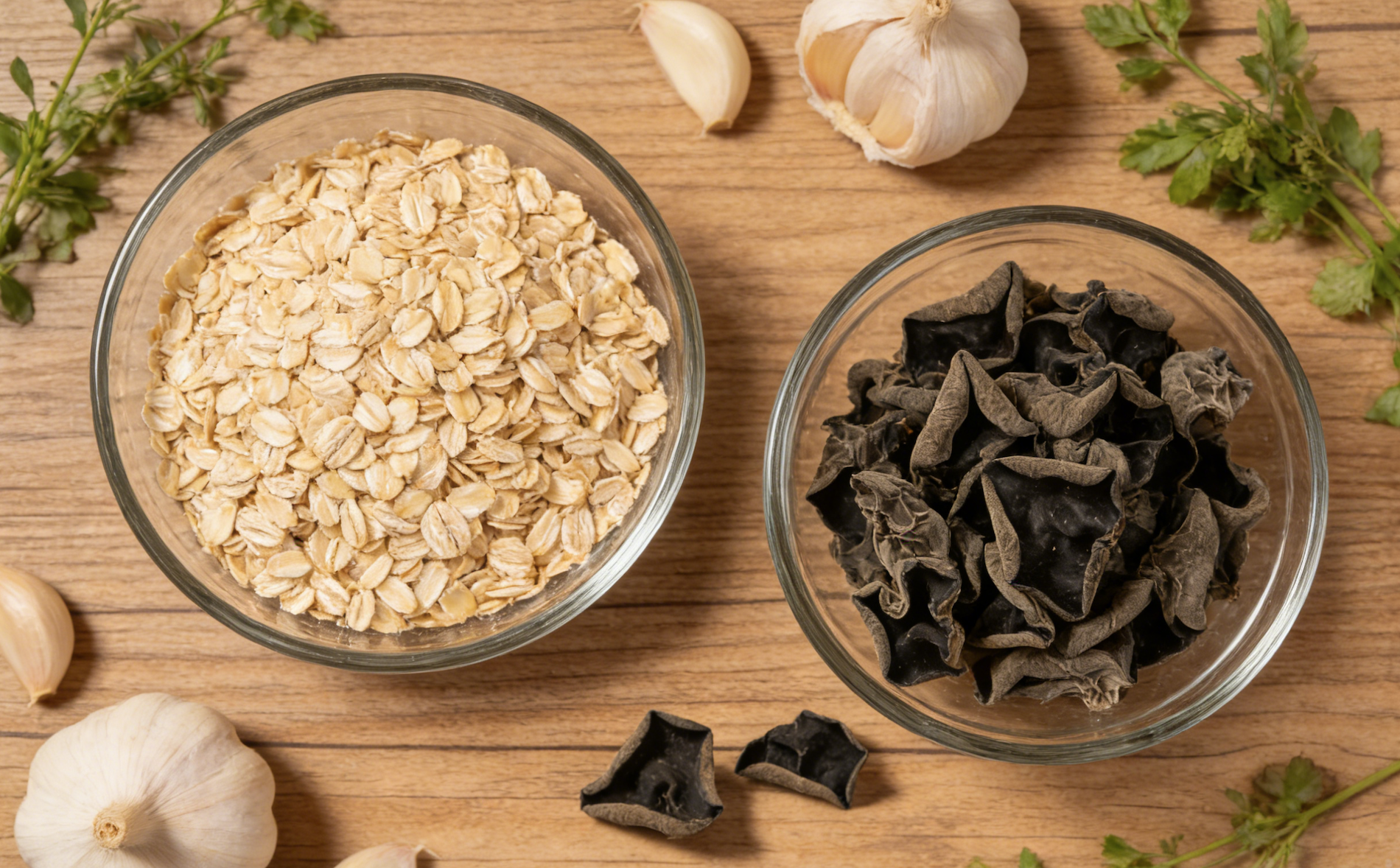
Oatmeal and Black Fungus: How Two Natural Foods Help Regulate Blood Lipids
This article introduces the significant benefits of oats and black fungus, two natural foods, for regulating blood lipids. Oats are rich in beta-glucan, which can effectively lower cholesterol; black fungus can inhibit platelet aggregation and reduce blood viscosity. Scientifically consuming these two foods is a healthy dietary choice for assisting in the management and optimization of blood lipid levels.
2026-01-20