
Detailed Explanation of Hyperglycemia: Symptoms, Diagnostic Criteria, and Potential Harms
What is Hyperglycemia: Hyperglycemia is defined as a fasting blood glucose level greater than 7.8 mmol/L. A postprandial blood glucose level greater than 11.1 mmol/L is an important diagnostic criterion for diabetes. Long-term hyperglycemia can easily lead to cardiovascular disease, kidney damage, retinopathy, and slow-healing infections, so it should be actively treated. In addition to controlling daily food intake, regularly consuming foods that lower blood sugar is very effective. At the same time, patients with hyperglycemia should engage in appropriate physical exercise to prevent excessive weight gain.
Symptoms, Classification, and Diagnosis of Hyperglycemia:
Etiology and Symptoms: Hyperglycemia (a type of diabetes) is a clinical syndrome caused by the interaction of genetic and environmental factors. Due to absolute or relative insulin deficiency and decreased sensitivity of target tissue cells to insulin, a series of metabolic disorders occur, including those involving glucose, protein, fat, water, and electrolytes. This disease is divided into primary and secondary types. Prolonged illness can cause damage to the heart, kidneys, brain, retina, and peripheral nerves. In severe cases, acute metabolic disorders such as ketoacidosis can occur.
Diabetes mellitus can be divided into insulin-dependent diabetes mellitus (Type I) and non-insulin-dependent diabetes mellitus (Type II). Its etiology and pathogenesis are not yet fully understood. Currently, it is believed to be related to genetic factors, environmental factors, and immune mechanisms.
Genetic and environmental factors are the main contributing factors, but certain viral infections and poor dietary habits can also lead to the disease. It is generally believed that diabetes is mainly caused by a lack of insulin in the body, leading to the inability of the body to fully utilize glucose, resulting in blood glucose accumulation and glycosuria. In addition, disorders of glucose metabolism causing protein and fat metabolism disorders can also lead to diabetes. Diabetes can occur at any age, but the peak incidence is between 50 and 70 years old, and it is more common in obese individuals. The main clinical manifestations are the "three highs and one low": polydipsia, polyphagia, polyuria, weight loss, and a sweet-smelling urine. Other symptoms include fatigue, decreased immunity, itching of the skin and vulva, numbness of the limbs, menstrual disorders, and impotence. Severe cases can be complicated by tuberculosis, polydermatitis, hypertension, arteriosclerosis, peripheral neuritis, cataracts, and other diseases.
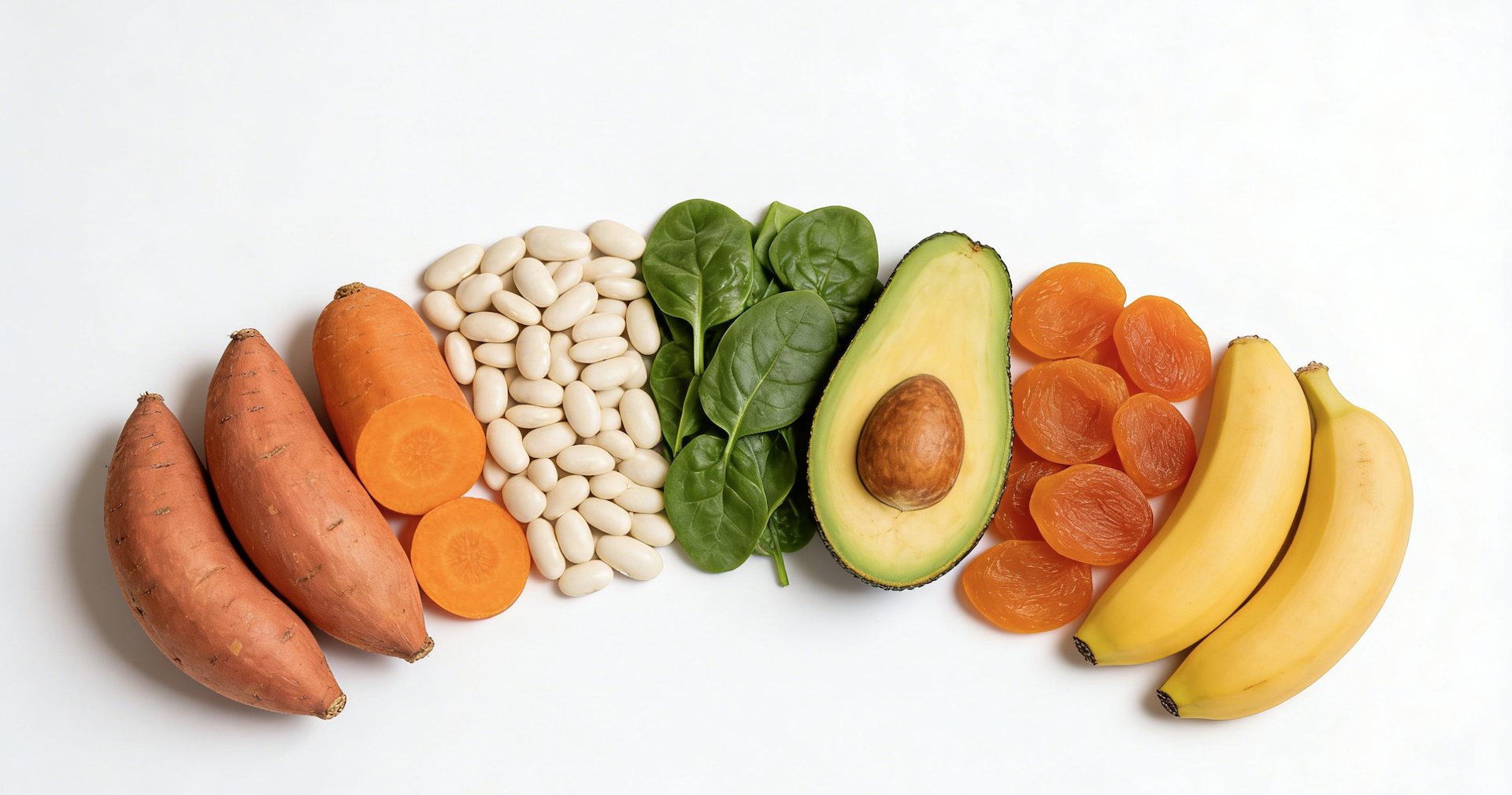
Dietary Guidelines for Patients with Hypertension: Salt Restriction, Potassium Supplementation, and Dietary Structure Adjustment Plan
This article provides scientific dietary guidance for patients with hypertension, emphasizing core principles such as limiting sodium, controlling fat intake, increasing potassium and calcium intake, and controlling calorie consumption. Reasonable dietary adjustments can effectively help lower and stabilize blood pressure levels, and are an important component of non-pharmacological treatment for hypertension.
2026-01-20
Essential reading for people with hypertension: Weight loss, quitting smoking, and limiting alcohol consumption are crucial for controlling blood pressure.
This article explores in detail the crucial roles of weight loss, smoking cessation, and alcohol limitation in blood pressure management. Studies have shown that being overweight and drinking alcohol are significant risk factors for elevated blood pressure, and that scientific weight loss and strict alcohol limitation can effectively lower blood pressure. These non-pharmacological interventions have significant benefits for hypertensive patients in controlling blood pressure and preventing complications.
2026-01-20
Moderate exercise and mental balance: two major non-drug therapies for patients with hypertension
This article details how moderate exercise and mental well-being can be effective non-pharmacological therapies for patients with hypertension. Regular exercise helps lower blood pressure and improve cardiovascular health, while maintaining mental well-being can reduce the adverse effects of emotional fluctuations on blood pressure. The combination of both is crucial for long-term stable blood pressure control.
2026-01-20