
Does blood lipid level fluctuate with the seasons? A guide to scientifically storing "good" cholesterol.
Pay attention to seasonal changes: Domestic and international studies have confirmed that blood lipids, like vitamin D, are related to seasonal changes. Blood lipid levels vary in different seasons.
Blood lipid levels in humans and animals differ significantly across seasons. Serum cholesterol levels are highest in autumn and lowest in summer; however, serum triglyceride levels are highest in spring and lowest in autumn. A study conducted by Beijing Fuwai Hospital over a year, measuring the blood lipids of 52 healthy employees who did not take any medication, quarterly, found that serum cholesterol levels were highest in autumn and lowest in summer, with levels in spring and winter falling between autumn and summer. However, serum triglyceride levels were highest in spring and lowest in autumn, with levels in summer and winter falling between spring and autumn. Therefore, in autumn, it is advisable to reduce the intake of high-cholesterol foods such as egg yolks and animal organs, while appropriately increasing the intake of animal and vegetable oils to prevent an increase in plasma cholesterol and a decrease in triglycerides, ensuring adequate calorie intake during winter. In summer, it is advisable to appropriately increase the intake of egg yolks and animal meat to ensure the body's required cholesterol supply. Serum triglyceride levels tend to be higher in spring, so it's important to reduce the intake of animal fats and control total energy intake.
Maintaining "good" cholesterol is crucial: Obesity, smoking, and lack of exercise can lower high-density lipoprotein (HDL, or "good" cholesterol). For these individuals, first-line treatment should focus on public health measures, such as exercise, smoking cessation, and weight loss. The best way to increase serum HDL levels is through physical exercise. Secondly, the underlying diseases causing the low HDL levels, such as nephrotic syndrome and diabetes, should be treated.
If a patient with coronary heart disease has elevated low-density lipoprotein (LDL) levels accompanied by low HDL, lipid-lowering therapy should be used. Medications that raise HDL, such as niacin, should be chosen. If the patient cannot tolerate niacin, statins can be used, which have a mild effect on raising HDL. Niacin should also be the first-line treatment for hypertriglyceridemia with low HDL. In cases of isolated low high-density lipoproteinemia accompanied by hypertension, medications that do not affect high-density lipoprotein levels should be used, such as angiotensin-converting enzyme inhibitors and long-acting calcium channel blockers. In cases of isolated low high-density lipoproteinemia without other serum lipid abnormalities, medications that increase high-density lipoprotein levels should not be used to prevent coronary artery disease.
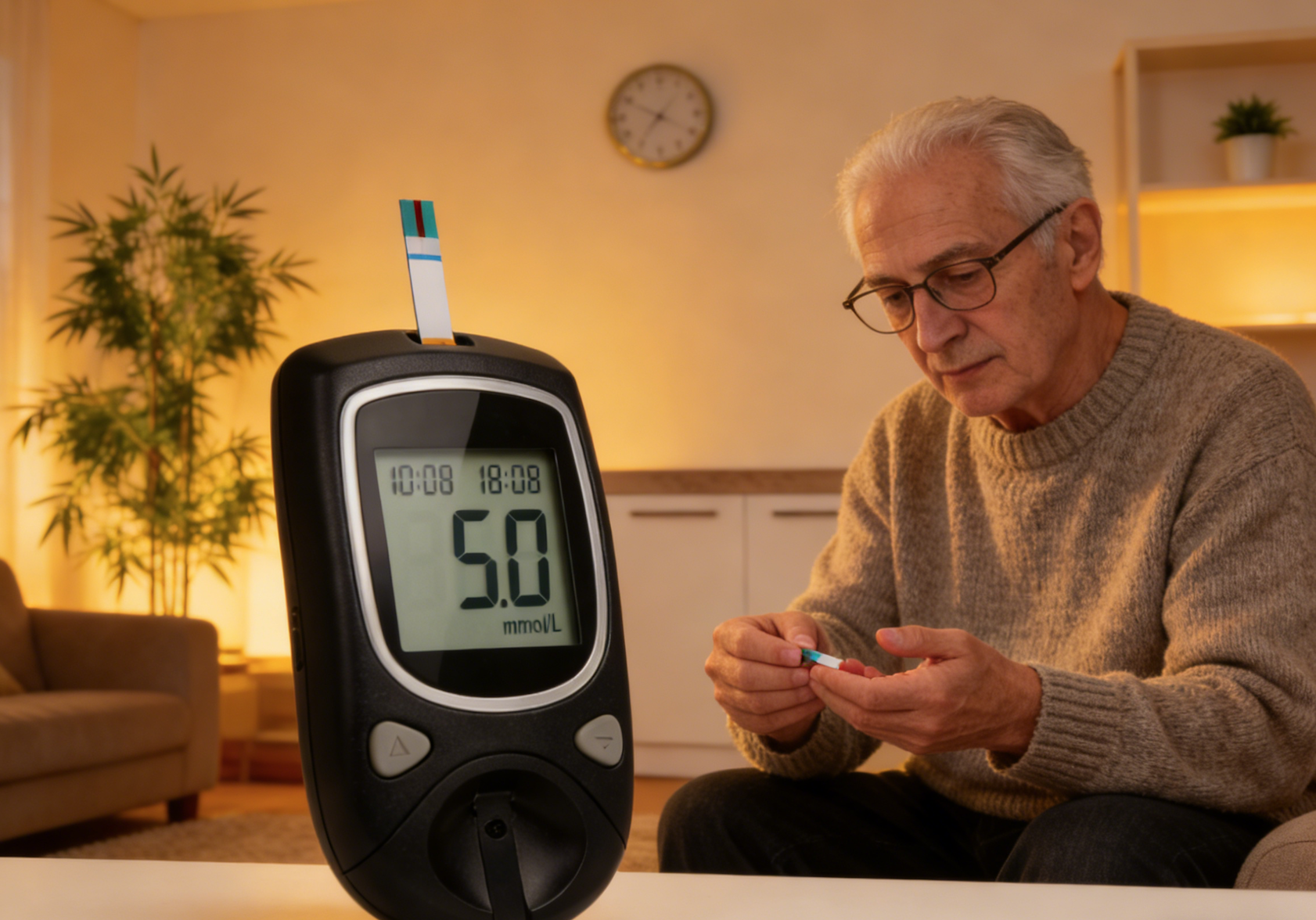
Nighttime heart palpitations: a warning sign of hypoglycemia; case analysis of diabetes patients who are easily misdiagnosed.
This article uses a case study to reveal that the symptoms of nocturnal palpitations and premature ventricular contractions in elderly diabetic patients may stem from unrecognized hypoglycemia. It serves as a reminder to diabetic patients and their families to pay attention to atypical hypoglycemic symptoms, monitor blood glucose levels promptly, and avoid misdiagnosis.
2026-03-06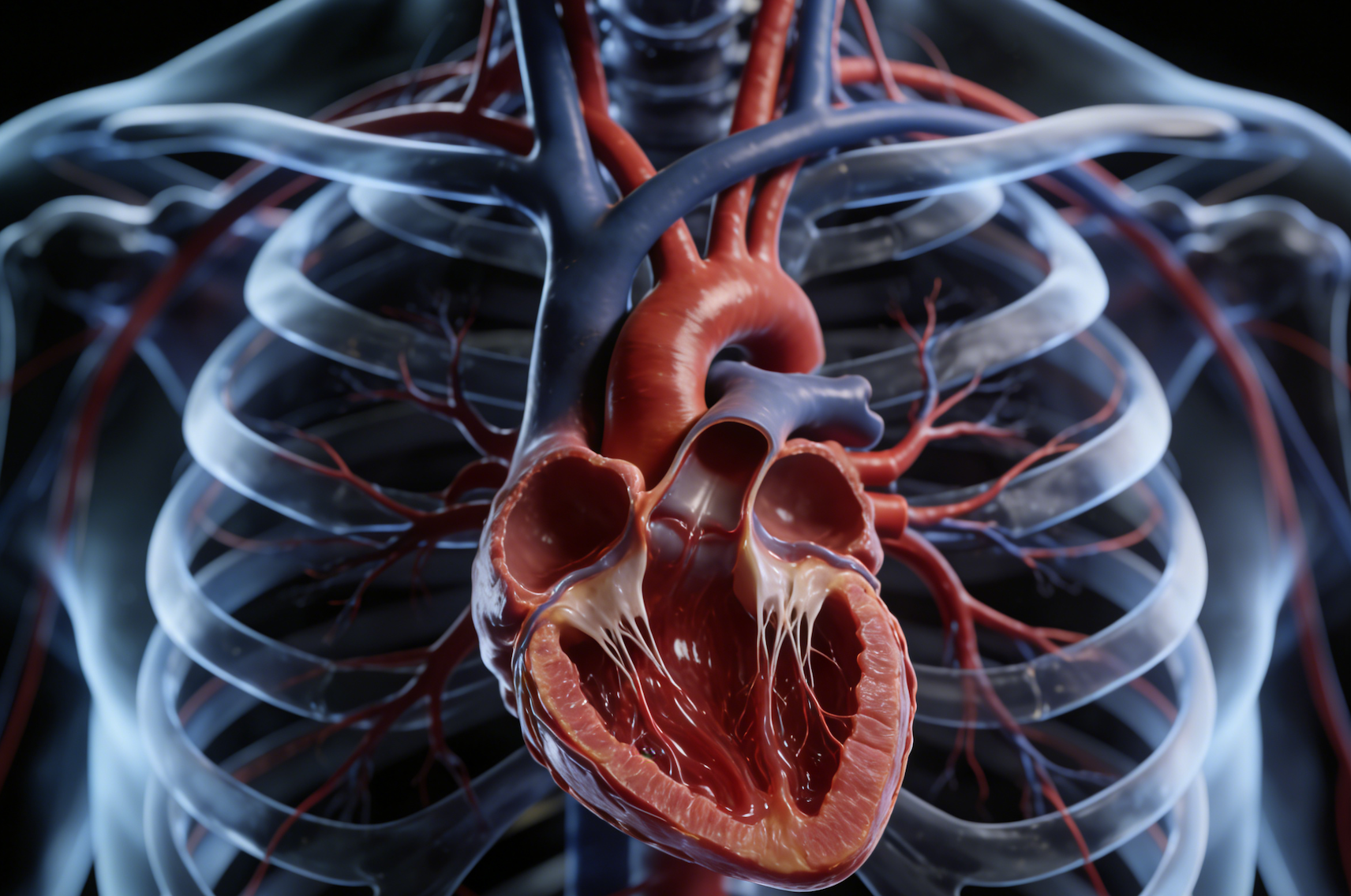
Detailed Explanation of Heart Structure and Corresponding Examination Methods: From Myocardium to Coronary Arteries
This article explains the harm of smoking to the heart and provides a detailed analysis of the three main components of the heart—the myocardium, coronary arteries, and electrical conduction system—as well as their corresponding specialized examination methods, such as echocardiography, coronary CT angiography, and electrocardiogram, to help readers understand cardiac examination procedures.
2026-02-26Does vascular stenosis always mean coronary heart disease? Analysis of carotid artery plaque treatment guidelines.
This article details the difference between coronary artery stenosis and coronary heart disease, clarifying that the diagnosis of coronary heart disease requires meeting two major conditions: vascular stenosis and myocardial ischemia. It also provides information on the causes, dangers, and treatment options for carotid artery plaques, helping readers scientifically address vascular health issues and achieve early prevention and treatment.
2026-02-27