
Lipid management in the elderly: An analysis of the importance of lipid-lowering therapy in the prevention of coronary heart disease.
It is advisable to understand lipid-lowering therapy for the elderly: Although coronary heart disease (CHD) has been proven to be a condition that does not only affect the elderly, its incidence is significantly higher in the elderly than in younger people. While the relative risk of CHD caused by elevated serum cholesterol levels is slightly lower in the elderly than in younger or middle-aged individuals, the incidence of CHD events due to hypercholesterolemia (unstable angina, acute myocardial infarction, and sudden cardiac death) is higher in the elderly than in younger or middle-aged individuals. Studies using coronary angiography have concluded that even with progressive coronary atherosclerosis, lipid-lowering therapy can still mitigate its progression. Lipid-lowering therapy can also control the risk of CHD in the elderly, achieving a significant reduction.
However, not all elderly patients are suitable for strong cholesterol-lowering therapy. For example, patients who are very old or have serious comorbidities (such as chronic congestive heart failure, dementia, advanced cerebrovascular disease, or active malignant tumors) should be avoided. For elderly individuals with other health issues or those without coronary heart disease who desire longevity, elevated serum cholesterol should be treated with lipid-lowering therapy without hesitation. The extent to which cholesterol should be lowered depends on the risk of coronary heart disease. In other words, the more coronary heart disease risk factors present, the more intensive the cholesterol-lowering treatment should be. Patients with coronary heart disease or multiple risk factors should supplement their medication with dietary therapy. For elderly patients with a low risk of coronary heart disease, dietary therapy and physical exercise are highly effective, while lipid-lowering drugs are less effective.
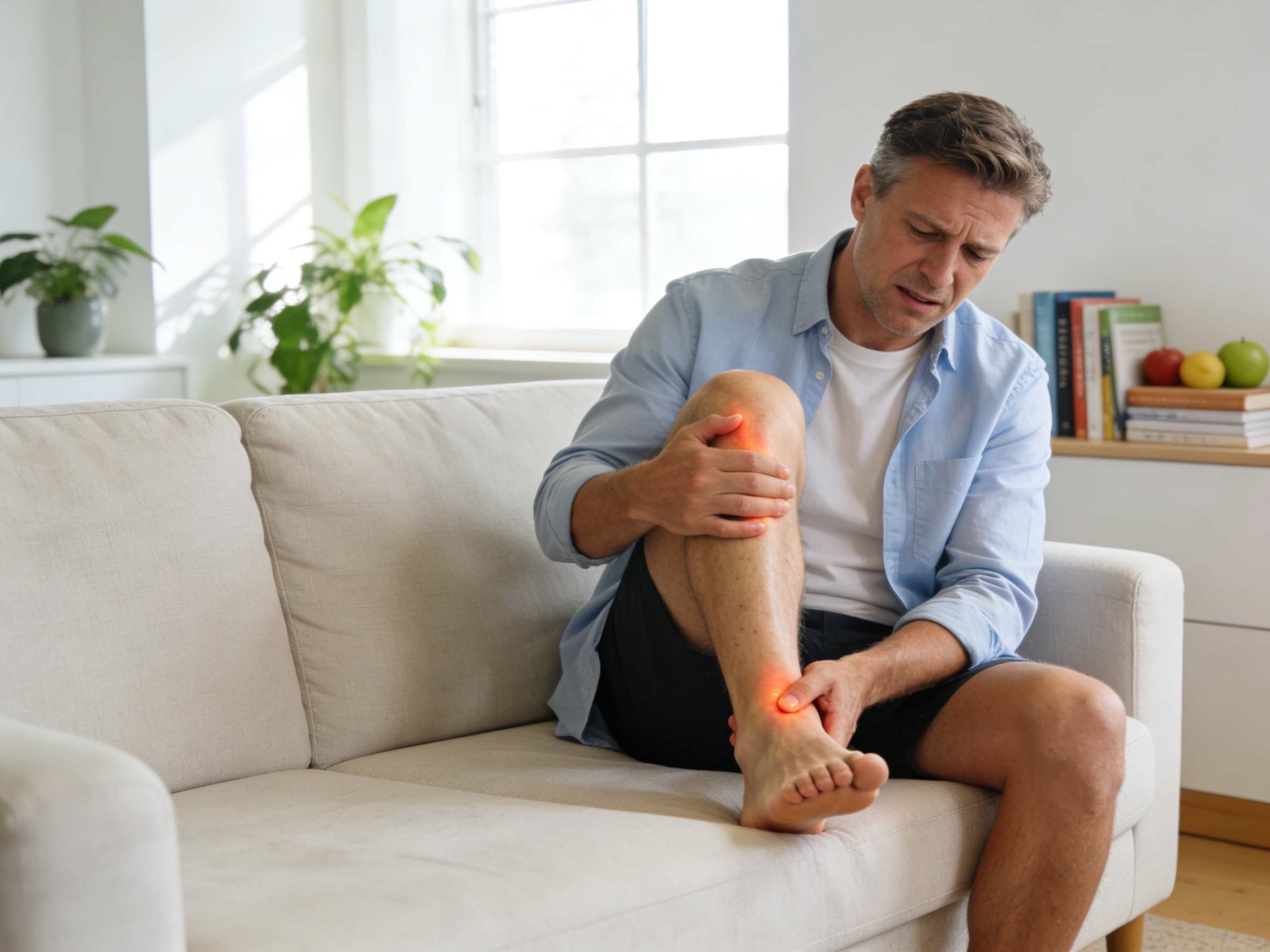
Cardiovascular, cerebrovascular, and mental/pulmonary chronic diseases: A comprehensive analysis of the dangers of stroke, depressive disorders, and COPD.
This article delves into several common chronic diseases besides hypertension, hyperlipidemia, and hyperglycemia. It focuses on analyzing the pathogenesis and warning signs of stroke, details the emotional and behavioral manifestations of depressive disorders, and systematically summarizes the pathological features and typical symptoms of chronic obstructive pulmonary disease (COPD), such as dyspnea. The content aims to enhance readers' ability to identify and assess the risks of multi-system chronic diseases early.
2026-03-23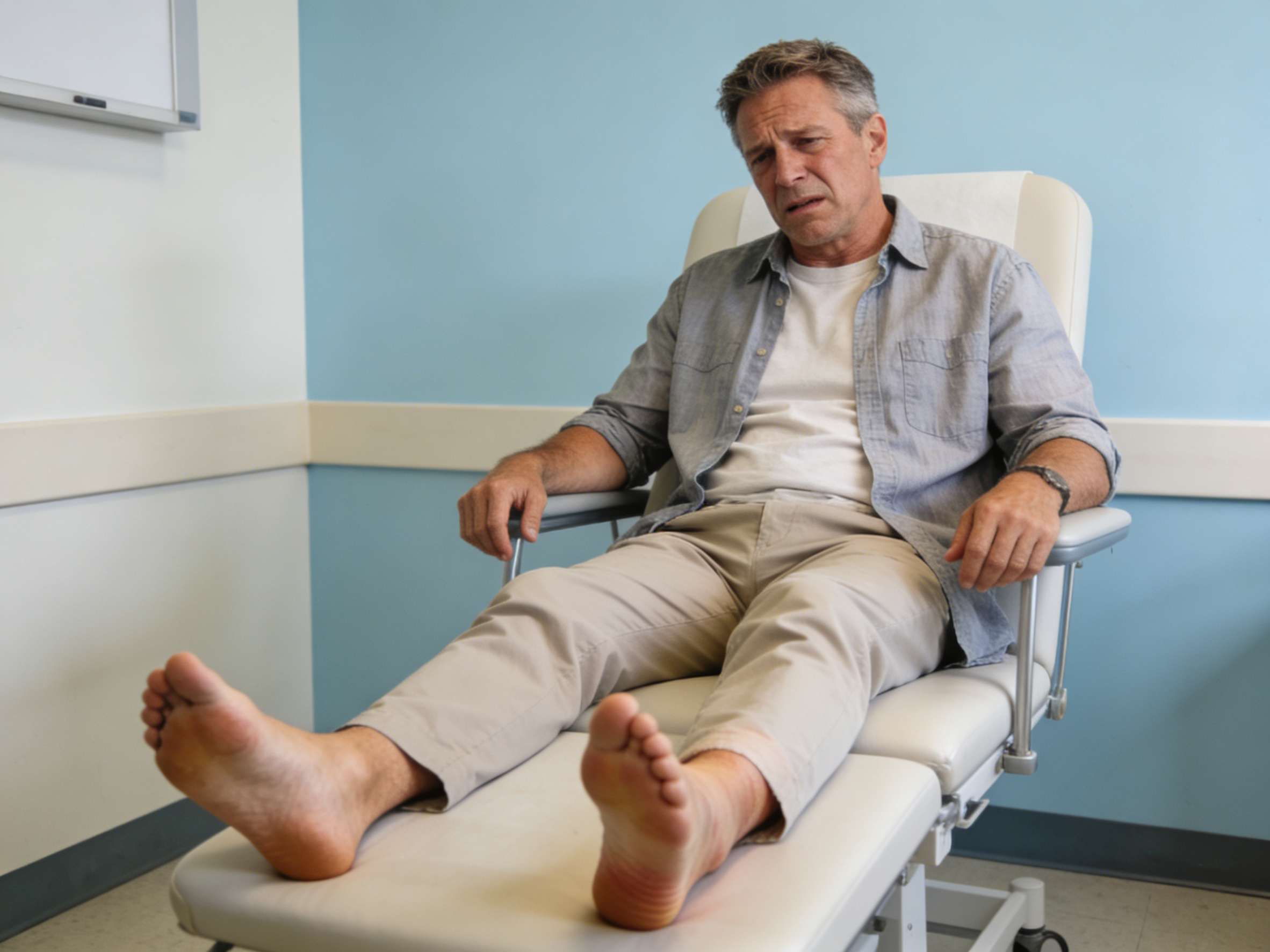
From Bone and Joint Health to Cancer Causes: An Epidemiological Observation of Common Movement Disorders and Malignant Tumors
This article focuses on key chronic diseases affecting the quality of life of the elderly. It provides a detailed analysis of the degenerative characteristics and disability risks of osteoarthritis, highlighting the harm of osteoporosis as a systemic metabolic disease and the importance of fracture assessment. Furthermore, it explores the prevalence of malignant tumors in my country from a molecular and genetic pathology perspective, revealing the profound impact of environment, diet, and lifestyle on cancer development, and providing data support for the comprehensive prevention and control of chronic diseases.
2026-03-23
Drug-Free Therapy Systems Theory: Awakening the Body's Self-Healing Power and the Natural Laws of Green Medicine
This article begins with a systematic exposition of the book's core theory, "drug-free therapy." It points out that drug-free therapy is a biomedical approach integrating prevention, clinical practice, and rehabilitation medicine, emphasizing a holistic view of returning to nature and the harmony between humanity and nature. By citing the academic viewpoints of Academician Fan Daiming and Qian Xuesen, it deeply analyzes the self-healing potential of the human body as a "great pharmacy," criticizes the limitations of modern medicine's over-reliance on drugs, and advocates enhancing the body's self-recovery capabilities through health management to achieve green rehabilitation.
2026-03-23