
Patients with hyperlipidemia should build confidence and manage their blood lipids scientifically.
It is advisable to maintain a strong belief in overcoming the disease: Hyperlipidemia is a common condition in recent years, with a particularly high incidence among middle-aged and elderly people. Domestic epidemiological surveys have found that some elderly patients with hyperlipidemia, after retirement, experience a significant decrease in blood lipid levels, even gradually returning to normal, without changes in medication, diet, or lifestyle. Furthermore, this decrease is stable and sustained, not a temporary fluctuation. This is closely related to retirement, as the change in mood after leaving the stressful work environment leads to a decrease in blood lipids. Even mild to moderate increases in blood lipids that do not cause discomfort can slowly accumulate and transform into hyperlipidemia, eventually leading to atherosclerosis, coronary heart disease, stroke, and other serious damage to vital organs. At that point, the situation becomes extremely troublesome. Therefore, some people become extremely anxious when they discover they have elevated blood lipids, worrying constantly, suffering from chronic insomnia, and experiencing dizziness, chest tightness, and palpitations. They fear they are about to have a myocardial infarction or that their cerebral arteriosclerosis has worsened, leading them to take excessive medication, thus placing a heavy burden on their physical and mental health. Others, however, consider hyperlipidemia insignificant and adopt a nonchalant attitude, continuing their unhealthy lifestyles and indulging in excessive eating and drinking, ultimately delaying diagnosis and treatment.
By the time damage to vital organs such as the cardiovascular system, liver, and kidneys occurs, it is too late for regrets. So, how should we correctly deal with hyperlipidemia?
We should view hyperlipidemia as our enemy, taking it seriously without being intimidated, and while seemingly dismissive, not taking it lightly. In the prevention and treatment of hyperlipidemia, we emphasize the following:
(1) Firmly establish confidence in overcoming hyperlipidemia. It is correct to recognize the many harms hyperlipidemia poses to the body and to pay sufficient attention to it. However, we should not burden ourselves with psychological stress or be intimidated by it. Hyperlipidemia's harm to the body is a chronic process, not something that causes complications within a few days, so we have ample time to manage it. Because hyperlipidemia is a chronic disease, its prevention and treatment is a long and arduous battle, requiring every patient to have sufficient confidence and determination.
(2) Prepare materially for overcoming hyperlipidemia. By consulting doctors or reading relevant popular science articles and books, one can theoretically understand how hyperlipidemia occurs and why it causes various harms. This allows for conscious and targeted adjustments to one's diet based on individual circumstances, the development of good living and working habits, increased physical exercise, and the elimination of bad habits. These multifaceted measures help prevent hyperlipidemia and lay a solid foundation for effective comprehensive treatment.
Modern medical research has also provided us with numerous tools and methods to combat hyperlipidemia. Treatment measures are constantly improving, and lipid-lowering drugs are rapidly entering the lives of hyperlipidemia patients. Traditional Chinese medicine also has unique strengths in treating hyperlipidemia, which we should leverage. Effective comprehensive treatment methods have been developed in medical practice. Psychological therapy should also be used to treat hyperlipidemia. According to reports, emotional stress, arguments, excitement, and sadness can all increase the secretion of catecholamines and free fatty acids, leading to elevated serum cholesterol and triglyceride levels. Depression, on the other hand, can lower high-density lipoprotein (HDL).
It should be particularly emphasized that with treatment, the blood lipid levels of the vast majority of patients can decrease rapidly. However, treatment must be consistent, especially adhering to dietary therapy and physical exercise, to maintain blood lipids at normal levels.

Long-term diabetes management Q&A and medication correction: From choosing medication before or after meals, correcting missed doses to clearing up common insulin misconceptions.
This article is an "encyclopedia" of home management for diabetes. It first corrects the misconception of trying to "cure the root cause," and then provides a detailed analysis of the dosage of sulfonylureas, biguanides, and alpha-glucosidase inhibitors before, during, and after meals. It offers scientific advice to address common patient concerns such as missed doses, frequent medication changes, and misconceptions about health supplements. Finally, it deeply analyzes three major misconceptions: insulin "addiction," "using it only in the late stages," and "stopping it once blood sugar levels return to normal," and provides an emergency self-rescue procedure for hypoglycemia to help patients achieve stable blood sugar control.
2026-03-24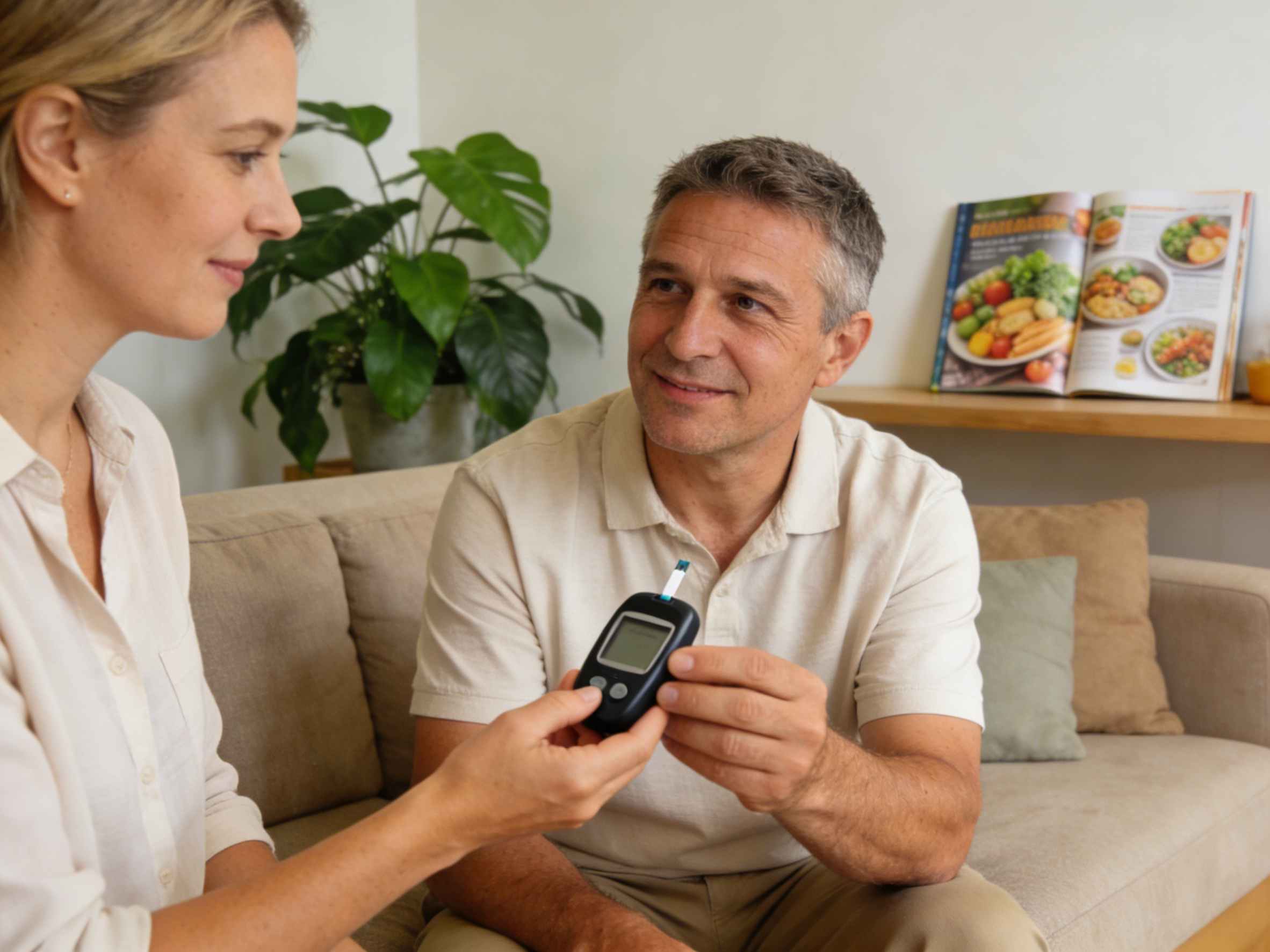
High-risk screening and warnings of complications for diabetes: Addressing the health crisis that could shorten lifespan by nine years.
This article precisely defines high-risk groups for diabetes in adults and adolescents and provides detailed screening criteria. Through vivid analogies, it reveals the destructive effect of high blood sugar on blood vessels and cites authoritative research to illustrate the significant impact of diabetes on life expectancy. Furthermore, the article initiates a discussion of gout, a "disease of affluence," defining its hyperuricemic nature and serving as a wake-up call for readers regarding chronic disease prevention.
2026-03-24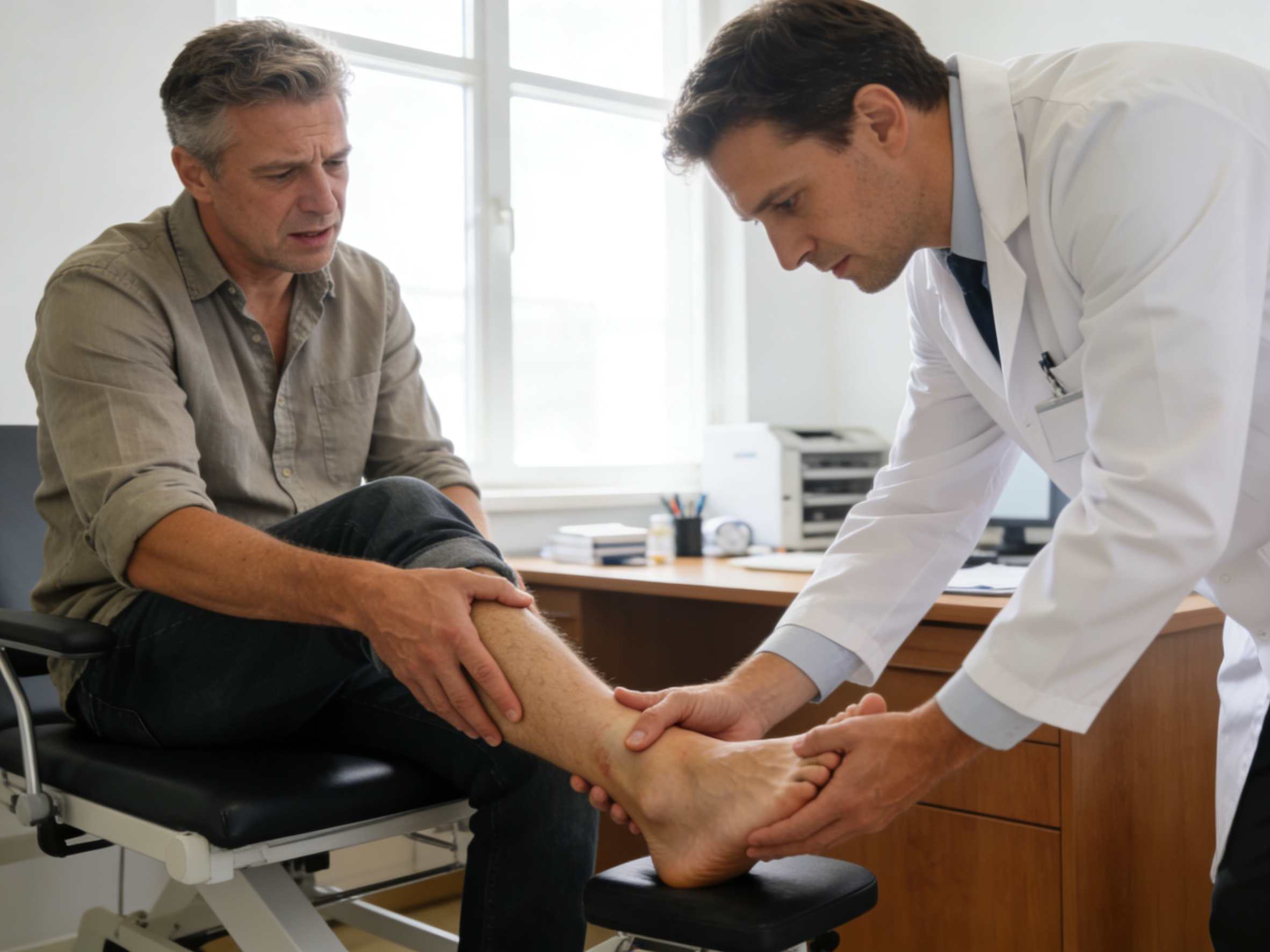
Gout and fatty liver: A chain of health crises triggered by metabolic disorders
This article provides an in-depth analysis of two common metabolic-related chronic diseases: gout and fatty liver disease. It reveals gout as a manifestation of hyperuricemia and its impact on kidney and diabetes risk, and details the causes of fatty liver disease (alcoholic and non-alcoholic). The content aims to help readers understand the complex pathological relationships between various chronic diseases, thereby enabling more effective health interventions.
2026-03-22