
Understanding and Correctly Viewing High Cholesterol: From Misconceptions to Scientific Management
A Correct Understanding of Hyperlipidemia: Hyperlipidemia is a common disease among middle-aged and elderly people. It is well known that it is one of the main risk factors for atherosclerosis and coronary heart disease. When the body's intake of fat and cholesterol increases, intestinal absorption increases, blood lipid concentration rises, liver synthesis is inhibited, and metabolism cannot be properly regulated. If a high-fat diet continues at this time, it can eventually cause serious lesions in the vascular system and other organs. However, blood lipids are essential substances for the formation of nerve tissue and certain hormones in the human body. Low-density lipoprotein (LDL) and very low-density lipoprotein (VLDL) are the most harmful to the body, as they are important factors in causing atherosclerosis. High-density lipoprotein (HDL), on the other hand, can prevent atherosclerosis. Therefore, the reasonable approach is to lower excessively high LDL and VLDL, while HDL should be kept as high as possible.
Many patients have misconceptions about hyperlipidemia due to a lack of understanding of its pathology. In fact, hyperlipidemia, like hyperglycemia and hypertension, is a manifestation of decreased metabolic function and metabolic disorder. Middle-aged and elderly patients often develop hyperlipidemia due to weakened bodily functions, requiring medication to enhance their metabolic capacity and maintain blood lipid levels within the normal range. Therefore, it's inevitable that various indicators will "rebound" after medication is discontinued. While people are increasingly recognizing that diabetes cannot be cured and requires medication for management, understanding of hyperlipidemia remains unclear. In fact, the prevention and treatment of hyperlipidemia are similar to those of diabetes.
Currently, the best way to lower cholesterol is through dietary control, reducing the intake of animal fats such as butter, cheese, lard, and organ meats. However, the idea of avoiding animal fats and increasing vegetable oils is incorrect. Fish oil is an exception among animal fats; moderate consumption of fish oil can help prevent atherosclerosis. Vegetable oils such as coconut oil and olive oil can raise cholesterol levels just as much as some animal fats and should also be consumed in moderation.
It is important to understand the basics of hyperlipidemia: The occurrence and development of anything follows certain patterns; by grasping these patterns, it is possible to initially control it.
High blood lipids can be prevented or controlled through healthy lifestyle habits. While some cases of high blood lipids are hereditary and unpredictable, it is still a lifestyle-related disease. Furthermore, individuals with a genetic predisposition may develop high blood lipids earlier if they have unhealthy dietary and lifestyle habits.
As the saying goes, "It's easy to get sick, but hard to get better." High blood lipids are quite stubborn, like hypertension and diabetes. Regardless of the treatment, high blood lipids can only be controlled within the normal range, not completely cured. However, if high blood lipids are caused by other diseases, such as hypothyroidism, once the hypothyroidism is cured, blood lipids will also return to normal levels. However, this is extremely rare, and most cases of high blood lipids require long-term management.
Cloudy blood does not necessarily indicate high blood lipids. High levels of fat in the blood can indeed make it appear cloudy, but this could also be due to other reasons. For example, if venous blood is drawn during a blood test, it will appear darker, which is certainly not caused by high blood lipids.
Furthermore, some tests, such as hemoglobin and thyroid function tests, do not require fasting before blood draws. Blood drawn immediately after a meal tends to have higher triglyceride levels, making the blood appear cloudy. For example, cholesterol tests require fasting for eight hours prior to the blood draw for this reason.
Many people, influenced by advertising, often associate cloudy blood with neck pain and leg numbness. In fact, high cholesterol alone, without other underlying medical conditions, will not produce any symptoms.
Avoiding eggs or cholesterol-rich foods is not the best way to control blood cholesterol through diet. Not only egg yolks, but many non-cholesterol components in food also affect blood cholesterol levels, especially saturated fatty acids, most of which come from animal products.
While vitamins cannot directly lower blood lipids, they can act as antioxidants, thus offering some benefit to blood lipid levels.
Oxidized blood lipids are harmful to the body. Although vitamins cannot lower blood lipids, they may reduce the likelihood of lipid oxidation and the degree of arteriosclerosis by acting as antioxidants. Foods low in calories, oil, and animal protein are the only ones that can truly lower blood lipids.
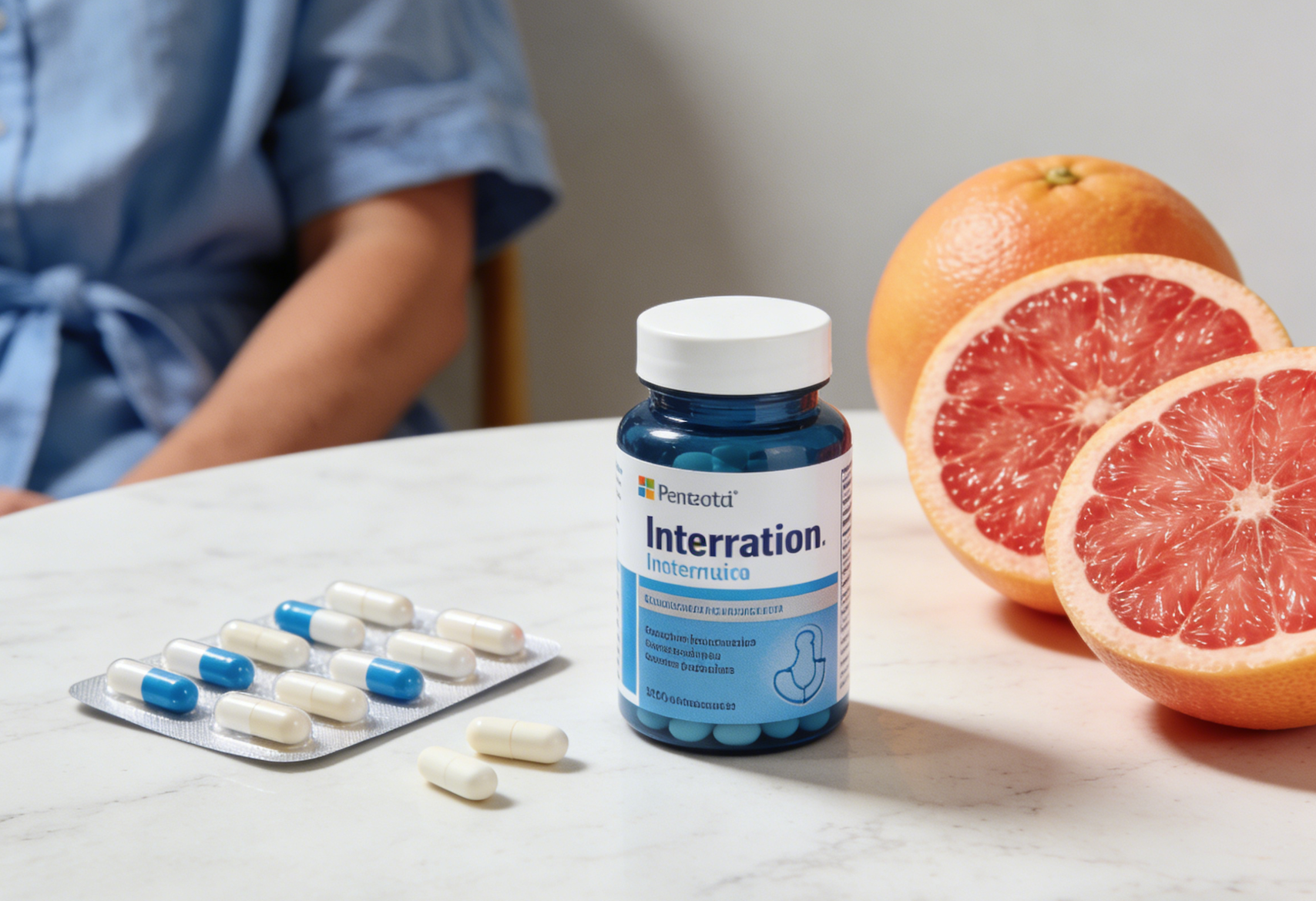
Blood pressure medication and grapefruit: Why taking them together can cause a sudden drop in blood pressure and the associated risks.
This article explains why grapefruit should be avoided while taking antihypertensive medication. Grapefruit contains furanocoumarins, which can inhibit drug metabolism and potentially cause an abnormal drop in blood pressure, posing a risk. Understanding this contraindication is crucial for safely controlling blood pressure.
2026-03-05
Snoring may be a hidden risk factor for high blood pressure: sleep apnea syndrome
This article explains that snoring may be related to sleep apnea syndrome, a significant risk factor for high blood pressure. Understanding its dangers and ways to improve it can help control blood pressure at its source and prevent related complications.
2026-03-05
Orthostatic hypotension in hypertensive patients: symptoms, causes and coping strategies
This article analyzes why hypertensive patients, especially the elderly, experience symptoms of low blood pressure such as dizziness upon standing. It details the definition, incidence, and mechanisms of orthostatic hypotension to help understand this common but easily overlooked phenomenon, and emphasizes the importance of monitoring blood pressure.
2026-03-05