
A Comprehensive Guide to Lifestyle Treatment for Hyperlipidemia: Diet, Exercise, and Habit Adjustments
What is lifestyle therapy for hyperlipidemia? Lifestyle therapy refers to treating hyperlipidemia by adjusting one's lifestyle and establishing reasonable living habits. This includes quitting smoking and avoiding excessive alcohol consumption. Improving dietary habits, limiting total calorie intake, especially for overweight individuals, involves avoiding unbalanced diets, reducing snacks, and maintaining a low-salt diet. Regular exercise is essential, as it helps burn excess energy, prevents obesity, and lowers blood lipids. Avoiding indiscriminate use of medications, such as minimizing the use of female contraceptives, is also important. Appropriate participation in recreational activities can help reduce excessive stress. Paying attention to these lifestyle changes will help improve lipid metabolism and achieve therapeutic goals.
Why is hyperlipidemia considered a lifestyle disease? The incidence of hyperlipidemia, obesity, hypertension, and diabetes is increasing in my country. This is related to improved living standards and better living and social environments.
Hyperlipidemia is more common in middle-aged and elderly people, more prevalent in men than women, more common in obese individuals than thin individuals, more common in mental workers than physical workers, and more common in urban areas than rural areas. It is evident that hyperlipidemia is closely related to lifestyle and habits. Due to improved living standards, dietary structures have changed, shifting from a grain-based diet to a "high-protein," "high-energy" diet. While a richer diet has its advantages, it also leads to energy surplus. Convenient lifestyles result in insufficient physical activity for many, further exacerbating energy excess. In addition, increasing work and life stress and mental tension also contribute to elevated blood pressure and blood lipids.
Can patients with hyperlipidemia drink alcohol? If so, what precautions should be taken: Moderate alcohol consumption can increase the level of high-density lipoprotein cholesterol in the blood, having an anti-atherosclerotic effect. However, it is not recommended to use alcohol as a treatment for low serum high-density lipoprotein cholesterol. Excessive alcohol consumption leads to an increase in triglycerides and lipoproteins, which in turn lowers high-density lipoprotein cholesterol due to the increased triglycerides. Furthermore, excessive alcohol intake disrupts normal eating habits and increases calorie intake. So, how much alcohol is appropriate?
The appropriate amount of alcohol intake should be determined based on your daily calorie needs. The standard daily intake is 20-30 grams of spirits or one bottle of beer. You should also have 1-2 alcohol-free days per week. Patients with impaired liver function should not drink alcohol. Moderate consumption of wine may have a preventative effect against coronary heart disease.
Each gram of alcohol produces 7 kilocalories of energy, while 400 ml of beer provides 112 kilocalories, equivalent to 30 grams of grain. Therefore, you should reduce your intake of staple foods accordingly when drinking alcohol.
Drinking tea is beneficial for patients with hyperlipidemia: Tea has certain effects in lowering cholesterol, reducing blood pressure, and preventing atherosclerosis. The pigments in tea have broad biological activity and can lower blood lipids. In addition, drinking tea can provide vitamins, nutrients, and trace elements.
There are many varieties of tea, such as green tea and black tea. Green tea is unfermented, and its effect in regulating blood lipid metabolism and preventing atherosclerosis is superior to that of black tea.
Quitting smoking is beneficial for patients with hyperlipidemia: Smoking is a significant risk factor for coronary heart disease, myocardial infarction, and sudden death. Smoking is negatively correlated with the level of high-density lipoprotein cholesterol (HDL-C), a protective factor against coronary heart disease. Regardless of gender, smokers have lower serum HDL-C levels than non-smokers, and the more one smokes, the more significant the decrease in HDL-C.
Epidemiological surveys have found that smokers have significantly higher serum total cholesterol levels than non-smokers. Smoking also increases serum triglyceride levels and low-density lipoprotein cholesterol (LDL-C), a risk factor for coronary heart disease. Passive smokers also experience a decrease in serum HDL-C levels, while their serum total cholesterol levels increase. The risk factor of smoking for coronary heart disease is reversible. Therefore, quitting smoking is beneficial regardless of age or duration of smoking. After quitting, lipid metabolism tends to balance, HDL-C increases, while triglycerides, total cholesterol, and LDL-C decrease, leading to a rapid reduction in the risk of coronary heart disease. Quitting smoking benefits both oneself and others.
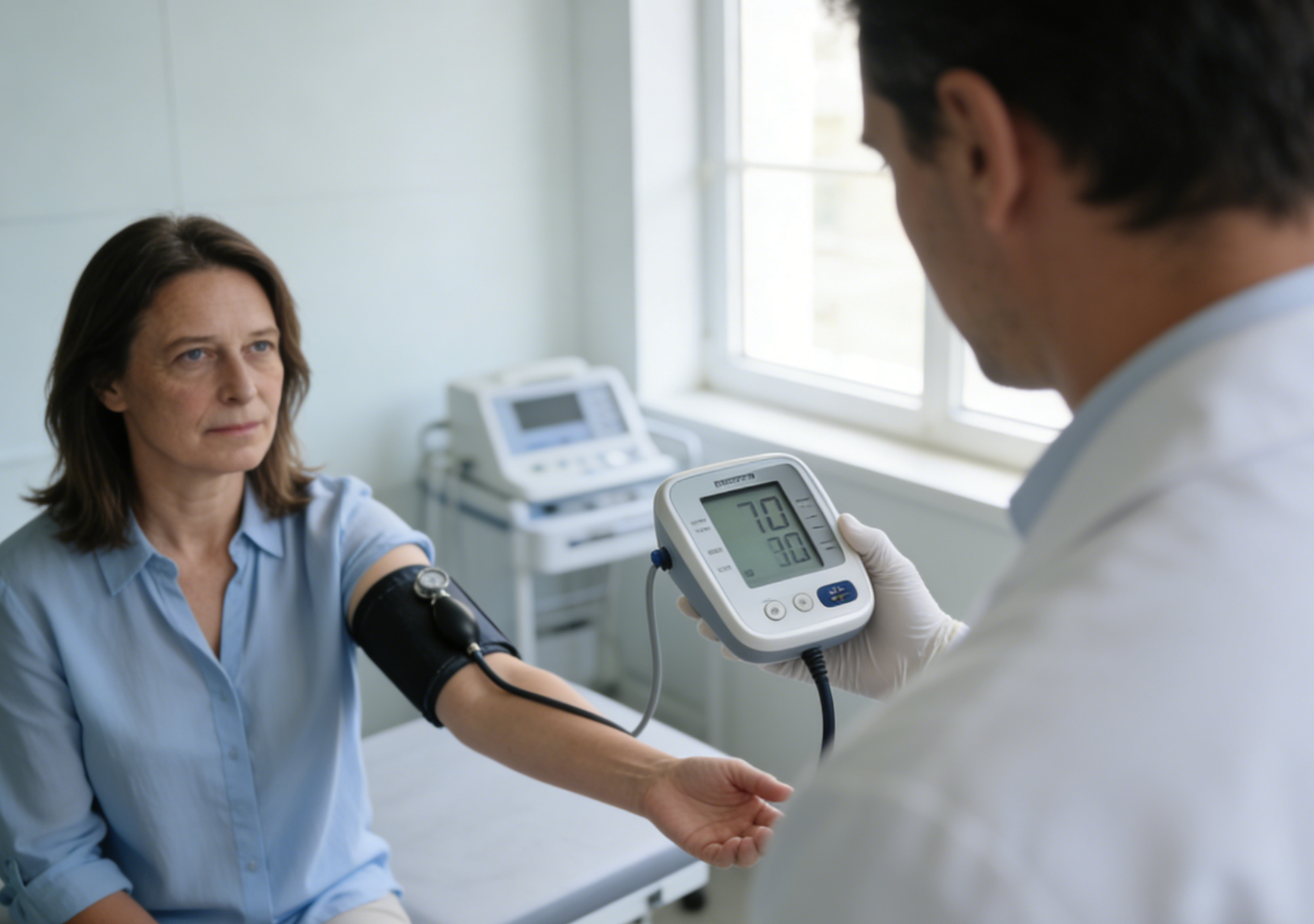
Key Points for Preventing Hypertension in Women and Common Medication Misconceptions
This article details methods for preventing hypertension and medication safety for women, especially during pregnancy. It emphasizes that certain medications, such as nonsteroidal anti-inflammatory drugs (NSAIDs), may raise blood pressure and reminds hypertensive patients to pay attention to cross-effects of medications and manage their blood pressure scientifically.
2026-03-10
Hypertension patients should be wary: Analysis of five types of medications that may worsen blood pressure.
This article analyzes how five classes of medications, including estrogen, corticosteroids, and bronchial asthma medications, can worsen hypertension by causing fluid retention or vasoconstriction. Hypertensive patients are reminded to be aware of cross-influences of medications, manage their blood pressure scientifically, and always consult a doctor before using any related medication.
2026-03-10
Beware of four common misconceptions about hypertension treatment: Even asymptomatic patients require proper management.
This article details four common misconceptions among hypertension patients, including ceasing further testing after diagnosis, ignoring the damage caused by asymptomatic hypertension, and prematurely discontinuing medication. It emphasizes that even without symptoms, elevated blood pressure continues to damage the heart, brain, and kidneys, necessitating standardized treatment and lifestyle adjustments to scientifically manage blood pressure and avoid serious complications.
2026-03-10