
Long-term diabetes management Q&A and medication correction: From choosing medication before or after meals, correcting missed doses to clearing up common insulin misconceptions.
Common Questions in Diabetes Drug Treatment
Why is Type 2 Diabetes Considered a Cardiovascular Disease in the New Concept?
The new concept considers Type 2 diabetes to be a cardiovascular disease. Its earliest manifestation may be abnormal blood sugar, therefore lowering blood sugar is the most basic step, but other risk factors must also be controlled. Therefore, the new treatment concept focuses on addressing cardiovascular risk factors, requiring specialists to check all indicators, including blood sugar, blood pressure, blood lipids, and weight, when diabetes is diagnosed, and to advise patients to quit smoking. It's not enough to only focus on high blood sugar; comprehensive and effective control is necessary.
Are There Any Drugs That Can Cure the Root Cause of Diabetes?
Many patients blindly pursue so-called miracle drugs that can cure the root cause of diabetes. Some even stop their current effective treatments, even when blood sugar is well controlled, to search for so-called "miracle cures." Some believe that Western medicine only treats the symptoms, while traditional Chinese medicine can cure the root cause. Others have a strong belief in Qigong and folk remedies. Unbeknownst to many, the comprehensive diabetes treatment methods currently employed, encompassing diet, exercise, and medication, are the culmination of human experience and wisdom in the fight against diabetes, and have been proven effective worldwide.
What are the considerations for taking oral hypoglycemic drugs before, during, or after meals?
The same hypoglycemic drug can have significantly different effects depending on when it is administered. Studies have shown that one tablet of glibenclamide taken before a meal is equivalent to three tablets taken after a meal. Currently, commonly used oral hypoglycemic drugs mainly include sulfonylureas, biguanides, alpha-glucosidase inhibitors, and mealtime blood glucose regulators. Their mechanisms of action differ, therefore, the timing of administration also varies. Incorrect timing will make it difficult to lower blood sugar.
① Sulfonylurea hypoglycemic drugs: These mainly promote insulin release by binding to sulfonylurea receptors on the pancreatic β-cell membrane. Therefore, taking them 30 minutes before meals ensures that the time of peak effect coincides with the time it takes for blood glucose levels to rise after eating, thus achieving an effective hypoglycemic effect.
② Mealtime blood glucose regulators: Such as repaglinide (Novo Nordisk) and nateglinide. These drugs have a rapid onset of action but a short duration of action, therefore they should be taken orally 10-20 minutes before meals. Eating is essential before taking these medications. Taking them without eating will not achieve the desired blood sugar-lowering effect.
③ Biguanides: Such as metformin (methylphenidate), do not cause hypoglycemia, thus the timing of administration is less critical. However, to prevent postprandial blood sugar spikes, they should be taken before meals. But because many patients experience severe gastrointestinal reactions to these drugs, it is better to take them with or after meals.
④ Thiazolidinediones (insulin enhancers): These increase the sensitivity of cell receptors to insulin, allowing glucose to be utilized by the body's cells more quickly. These drugs have a long duration of action and only need to be taken once a day, with the best effect achieved when taken 1 minute before breakfast.
⑤ Alpha-glucosidase inhibitors: These affect carbohydrate absorption by inhibiting alpha-glucosidase on the surface of small intestinal mucosal epithelial cells. These drugs are most effective when chewed with the first bite of food. A commonly used medication is acarbose (Glucobay).
What to do if you miss a dose of oral hypoglycemic medication?
Regular, scheduled, and measured medication use is fundamental to good blood sugar control. If you occasionally forget to take your medication, you should take it promptly. For example, if you forget to take a sulfonylurea medication that should be taken before a meal but only remember afterward, you can take it as soon as possible, or temporarily switch to a fast-acting hypoglycemic agent such as repaglinide (Novo Nordisk). However, if you only remember to take it close to your next meal, there will be no food in your stomach, and taking it may cause hypoglycemia. The correct approach is to check your blood sugar before taking the medication. Alpha-glucosidase inhibitors should be chewed and taken with the first bite of food during a meal; if you only remember to take it after a meal, you don't necessarily have to take it. Elderly patients with mild to moderate hyperglycemia can switch to long-acting medications, which have better adherence. In short, diabetic patients must take medication for life, and if a dose is missed, it should be taken, but two doses should not be combined and taken at once.
In what situations should oral hypoglycemic drugs be used with caution or discontinued?
① In cases of stress, such as severe infection, fever, surgery, pregnancy, childbirth, or diabetic ketoacidosis, oral hypoglycemic drugs should be discontinued and insulin therapy should be used instead.
② When significant complications occur in the heart, brain, liver, kidneys, eyes, or nervous system.
③ When the hematopoietic system is suppressed and white blood cell count is low.
④ When allergic reactions or severe adverse reactions occur to oral hypoglycemic drugs.
⑤ When severe vomiting, persistent diarrhea, acute gastroenteritis, or other conditions prevent food intake, oral hypoglycemic drugs should be discontinued, as hypoglycemia is highly likely.
There are many health products on the market for diabetes. How should we view them? First, do not easily believe advertising claims. When considering health product advertisements, pay attention to two points:
① Does it claim that taking the advertised product allows you to disregard dietary restrictions?
② Does it claim to cure diabetes? Currently, there is no cure for diabetes in the medical field. Furthermore, do not easily discontinue hypoglycemic drugs during the entire process of using health supplements.
How should type 2 diabetic patients choose medication when experiencing pre-meal hyperglycemia? If fasting and pre-meal blood glucose are high, regardless of whether post-meal blood glucose is elevated, sulfonylureas should be considered as the first choice, or combined with biguanides or thiazolidinediones. Sulfonylureas have a definite, strong, and long-lasting hypoglycemic effect and can control pre-meal blood glucose.
How should type 2 diabetic patients choose medication when experiencing post-meal hyperglycemia?
If the patient only has high post-meal blood glucose, while fasting and pre-meal blood glucose are not high, alpha-glucosidase inhibitors, such as acarbose (Glucobay), are preferred, especially for the elderly. Voglibose (Sincin) or glipizide can also be used, as they have a rapid onset of action and can control post-meal blood glucose. If post-meal blood glucose is the main concern, accompanied by a slight increase in pre-meal blood glucose, rosiglitazone, an insulin sensitizer, should be the first choice.
What are some common misconceptions about insulin use?
① Insulin use is "addictive": This is incorrect. Insulin is the body's only hormone that lowers blood sugar, and type 1 diabetes requires insulin to sustain life. The inability to discontinue insulin after starting treatment is caused by the disease itself, not by "addiction" to insulin.
② Insulin should only be used in the late stages of diabetes: Experts advocate that insulin therapy should be added as early as possible when oral hypoglycemic drugs are ineffective in controlling blood sugar, or when type 2 diabetes is accompanied by acute or chronic complications. Practice shows that early insulin use can slow the decline of pancreatic beta cell function.
③ Insulin can be discontinued after blood sugar returns to normal: Many patients feel their disease has improved after a period of injections and stop using insulin on their own. In reality, once discontinuation is made, the condition will relapse. Insulin should not be discontinued arbitrarily when there is an indication for its use.
Is lifelong insulin injection necessary?
Whether lifelong insulin use is necessary depends on the condition. For type 1 diabetes, lifelong use is mandatory. For type 2 diabetes patients, some do not need lifelong use; others need it at certain stages. Insulin is a "protector" for many diabetic patients. What are the reasons why diabetic patients often refuse insulin therapy?
① Fear of the illness and inconvenience associated with insulin injections.
② Fear of insulin addiction.
③ Worry about hypoglycemia.
④ Lack of knowledge about insulin.
What should be done if an insulin injection is forgotten?
For patients using ultra-short-acting insulin (such as NovoRapid), it can be injected immediately after meals with little impact on efficacy. For patients injecting premixed insulin (such as NovoRapid 30R) before breakfast and dinner, if an injection is forgotten before breakfast, it can be administered immediately after the meal; if it is almost noon when the injection is remembered, blood glucose should be checked before lunch, and a short-acting insulin injection can be administered temporarily before lunch. It is crucial not to combine the morning and evening premixed insulin injections into one injection before dinner. 125. What should be done if a diabetic patient experiences hypoglycemia? Hypoglycemia is defined as a blood glucose concentration in the vein below 2.8 mmol/L. If hypoglycemia occurs, immediate self-treatment is necessary. It is advisable to drink sugar water or eat sugary foods such as candy, chocolate, or desserts. If you are unable to treat yourself, ask a family member or friend for help. Mild to moderate hypoglycemia usually subsides within 15 minutes after eating. If it does not subside, eat the aforementioned foods again and promptly go to the hospital for intravenous glucose administration.
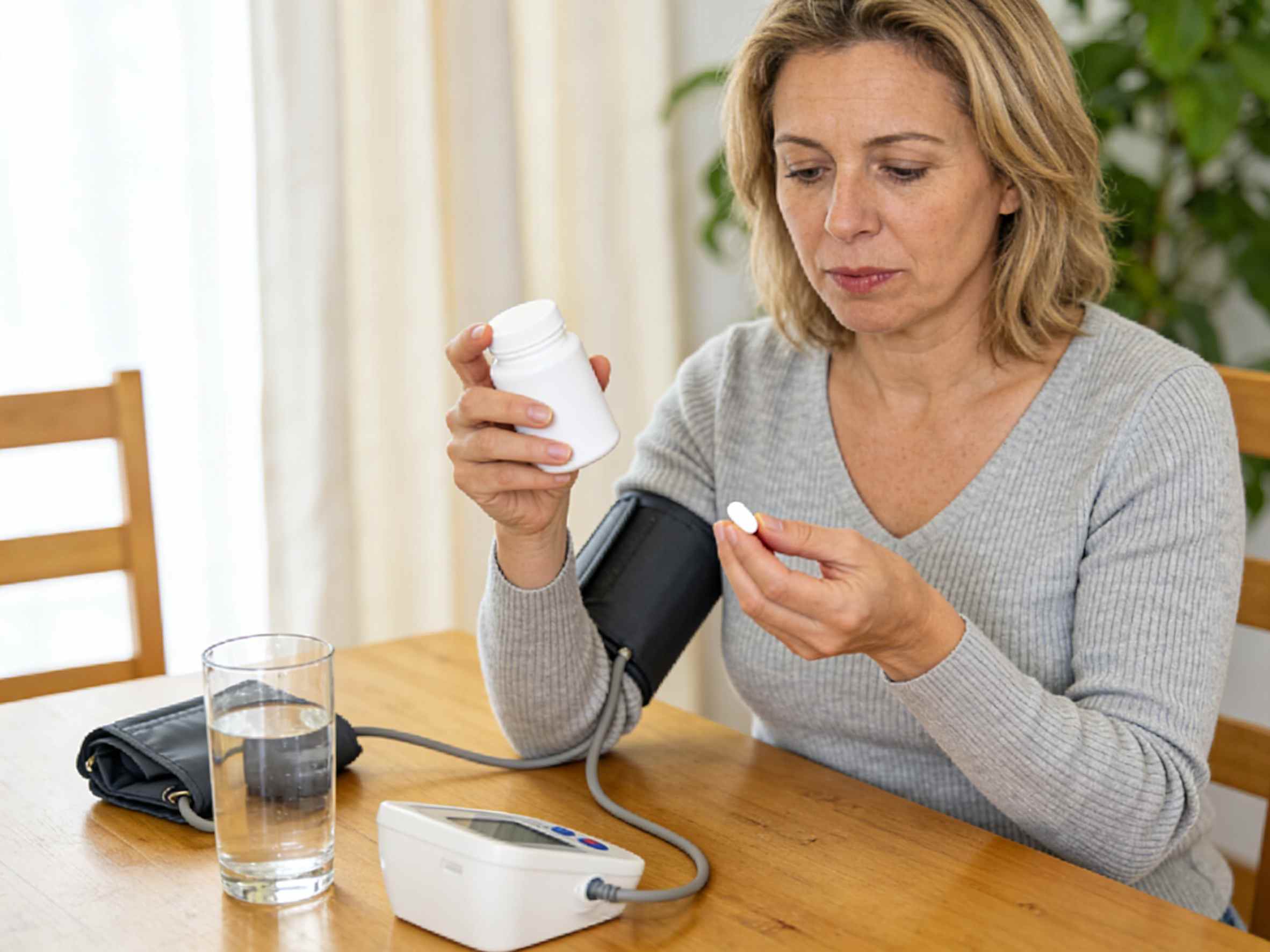
Guidelines for Combination Therapy for Hypertension: Principles, Regimens, and Treatment of Comorbidities
Hypertension often requires combination therapy to effectively achieve target blood pressure. This article details the principles, advantages, and recommended regimens of combination therapy, and provides specific medication guidance for complications such as heart failure and kidney failure, helping you manage hypertension scientifically.
2026-03-22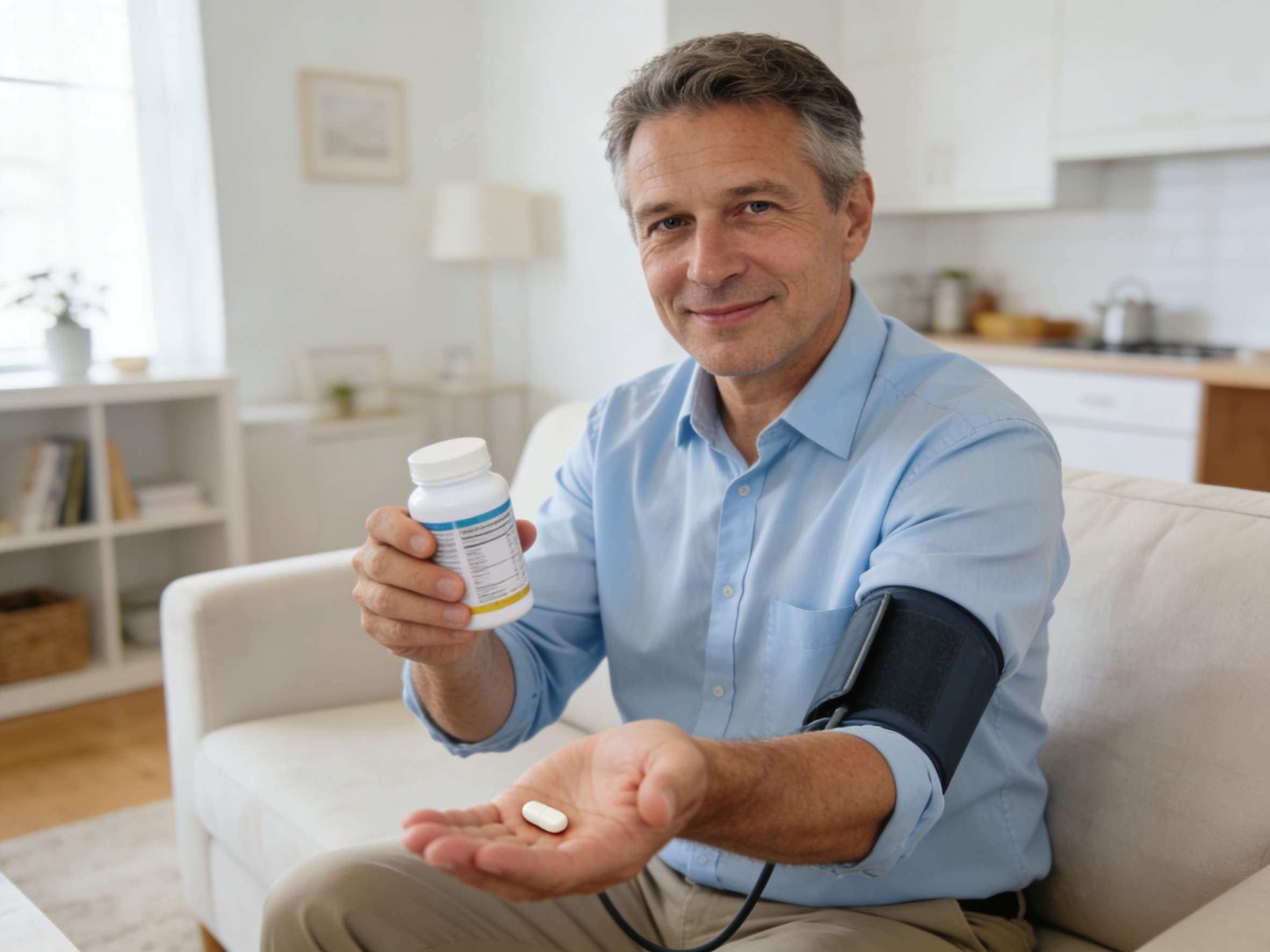
Guidelines for the Timing of Antihypertensive Medication Administration and Emergency Treatment
When is the best time to take antihypertensive drugs? How to manage a sudden spike in blood pressure? This article details the timing of taking various antihypertensive drugs, emergency procedures, and the proper use of aspirin to help you take antihypertensive drugs correctly and achieve effective blood pressure control.
2026-03-22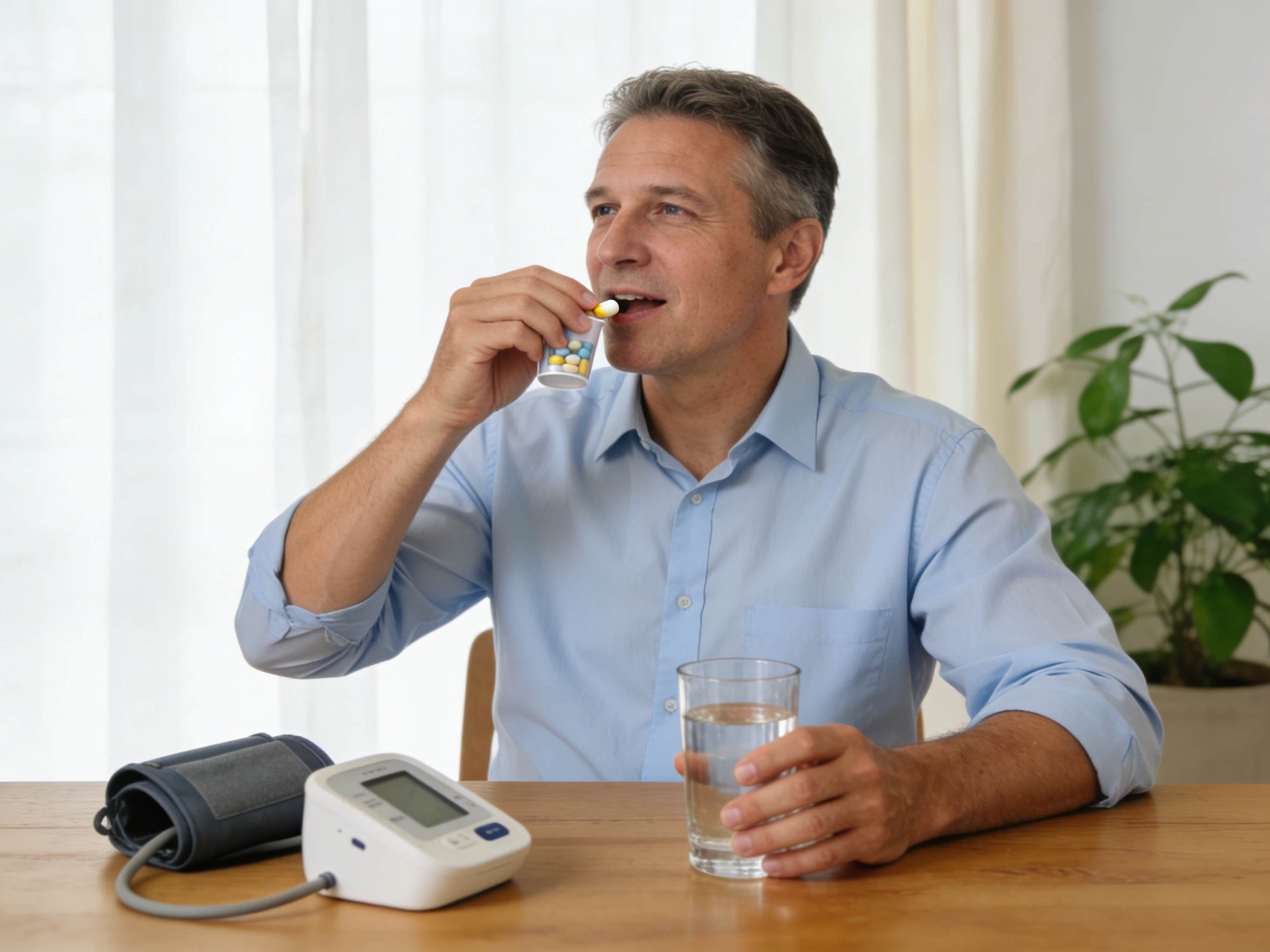
Guidelines for Aspirin Use in Patients with Hypertension: Contraindications and Precautions
Aspirin can prevent cardiovascular and cerebrovascular events in patients with hypertension, but it is not suitable for everyone. This article details the contraindications, precautions, and optimal timing for taking aspirin for patients with hypertension, guiding you to use aspirin safely.
2026-03-22