
Single Chinese Herbal Medicines for Hypertension (Part 2) and Prepared Chinese Herbal Medicines (Part 1)
13. Mulberry bark
>
[Properties and Channels Entered] Sweet, cold. Enters the Lung Channel.
>
[Efficacy]Clears the lungs and relieves asthma, promotes diuresis and reduces swelling. Modern pharmacology believes that mulberry bark has the effects of lowering blood pressure, relieving cough and promoting diuresis.
>
[Indications]Suitable for hypertension, cough and asthma due to lung heat, excessive phlegm, edema, and difficulty urinating.
>
[Usage]Decoct in water and take orally. The dosage is 10-15 grams each time.
>
> [Precautions] This product is not suitable for patients with lung deficiency without heat, frequent urination, or cough due to wind-cold.
>
> 14. Fritillaria
>
[Properties and Channels Entered] Sweet, bitter, slightly cold. Enters the Lung and Heart channels.
>
[Efficacy]Clears heat and moistens the lungs, relieves cough and resolves phlegm. Modern pharmacology believes that fritillaria has effects such as relieving asthma, suppressing cough, lowering blood pressure and anti-ulcer.
>
[Indications]Suitable for hypertension of the lung deficiency and dryness type.
>
[Usage]Decoct in water and take orally. The dosage is 3-9 grams each time.
>
> [Precautions]
>
(1) Those with spleen and stomach deficiency and cold, or cold phlegm should not take this medicine.
>
(2) Not suitable for pregnant women.
>
(3) This product should not be taken with peach blossom, gentian root, alum, yam, or aconite.
>
15. Gastrodia elata
>
[Properties and Channels Entered] Sweet, neutral. Enters the Liver Channel.
>
[Efficacy]It calms the liver and suppresses yang, relieves wind and stops spasms. Modern pharmacology believes that Gastrodia elata has the effects of protecting the cardiovascular system, enhancing the body's immunity, lowering blood pressure and delaying aging.
>
[Indications]Suitable for hypertension of the liver yang hyperactivity type, as well as dizziness, headache, epilepsy and convulsions.
>
[Usage]Decoct in water and take orally. The dosage is 3-10 grams each time. Alternatively, grind into powder and take with water. The dosage is 1-1.5 grams.
>
> [Precautions] This product should not be taken by those with deficiency of both Qi and Blood.
>
16. Uncaria rhynchophylla
>
[Properties and Channels Entered] Sweet, slightly cold. Enters the Liver and Pericardium channels.
>
[Efficacy]Clears heat and calms the liver, stops spasms and relieves wind. Modern pharmacology believes that Uncaria rhynchophylla has the effects of lowering blood pressure and relieving pain.
>
[Indications]Suitable for hypertension of the liver yang hyperactivity type, as well as convulsions, dizziness, vertigo, etc.
>
[Usage]Decoct in water and take orally. The dosage is 10-15 grams each time.
>
> [Precautions]
>
(1) This product should not be boiled for too long.
>
(2) Patients with low blood pressure or respiratory depression should not take this product.
>
17. White peony root
>
[Properties and Channels Entered] Sour, bitter, cool. Enters the Liver and Spleen channels.
>
[Efficacy]It soothes the liver and nourishes the blood, relieves pain, nourishes yin and astringes sweat. Modern pharmacology believes that white peony has the effects of lowering blood pressure, enhancing the body's immune function, relieving spasms and pain, anti-inflammatory and antibacterial, sedative and anti-ulcer effects.
>
[Indications] Suitable for hypertension, dizziness, rib pain, spontaneous sweating, night sweats, yin deficiency fever, irregular menstruation, metrorrhagia, leukorrhea, etc.
>
> [Usage]Decoct in water and take orally. The dosage is 6-12 grams each time. The maximum dose should not exceed 30 grams.
>
> [Precautions]
>
> (1) This product should not be taken with Dendrobium, Glauber's salt, calcined stone, turtle shell, small thistle, or Veratrum nigrum.
>
(2) Those with Yang deficiency and cold should not take it alone.
>
18. Radish seeds
>
[Properties and Channels Entered] Sweet, pungent, neutral. Enters the spleen, lung, and stomach channels.
>
[Efficacy]It aids digestion, clears heat and eliminates phlegm, and regulates qi and relieves chest congestion. Modern pharmacology suggests that radish seeds have antibacterial, anti-gallstone formation, blood pressure-lowering, and gastrointestinal motility-promoting effects.
>
[Indications]Suitable for hypertension, abdominal distension due to food stagnation, cough with loss of voice, hematemesis, epistaxis, dysentery and other conditions.
>
[Usage]Decoct in water and take orally. The dosage is 50-150 grams per day.
>
> [Precautions]
>
(1) Those with spleen and stomach deficiency and cold should not take it.
>
(2) Those with deficiency of both qi and blood should avoid using it.
>
(3) Excessive use can easily cause diarrhea.
>
> 19. Costus Root
>
[Properties and Channels Entered] Pungent, bitter, warm. Enters the spleen, stomach, large intestine, and gallbladder channels.
>
[Efficacy]Regulates the middle jiao and relieves stagnation, promotes qi circulation and relieves pain. Modern pharmacology believes that costus root has the effects of lowering blood pressure, relieving spasms, relieving pain, antibacterial, anti-inflammatory and promoting gastrointestinal motility.
>
[Indications]Suitable for hypertension of the spleen and stomach qi stagnation type, with symptoms such as loss of appetite, indigestion, abdominal distension, borborygmus and diarrhea.
>
[Usage]Decoct in water and take orally. The dosage is 3-10 grams each time. It can be decocted in water or made into pills or powder.
>
> [Precautions]
>
(1) This product should not be taken by those with yin deficiency and excessive fire.
>
(2) Taking large doses can easily lead to low blood pressure, dizziness, headache and other symptoms. The dosage needs to be strictly controlled when using it.
>
> 20. Siegesbeckia orientalis
>
[Properties and Channels Entered] Bitter, cold. Enters the liver and kidney channels.
>
[Efficacy]Dispels wind and dampness, strengthens muscles and bones. Modern pharmacology suggests that Siegesbeckia orientalis has effects such as lowering blood pressure, antibacterial and anti-inflammatory properties, and contraception.
>
[Indications]Suitable for hypertension of the liver yang hyperactivity type, as well as rheumatic joint pain, numbness of the limbs, weakness of the waist and knees, etc.
>
[Usage]Decoct in water and take orally. The dosage is 10-15 grams each time. The maximum dose should not exceed 60 grams.
>
> [Precautions]
>
(1) People with Yin deficiency should not take this product.
>
(2) Use with caution in pregnant women and children.
>
21. Tribulus terrestris
>
[Properties and Channels Entered] Pungent, bitter, neutral. Enters the Liver Channel.
>
[Efficacy]It soothes the liver and relieves depression, dispels wind and improves eyesight. Modern pharmacology believes that Tribulus terrestris has anti-aging, blood pressure lowering, coronary artery dilation, anti-myocardial ischemia, anti-arteriosclerosis, anti-platelet aggregation, diuretic and sexual function enhancement effects.
>
[Indications]Suitable for hypertension, coronary heart disease, glaucoma, cataracts, pruritus, and low libido.
>
[Usage]Decoct in water and take orally. The dosage is 6-10 grams each time.
>
[Precautions]Pregnant women should use with caution.
>
22. Tortoise shell
>
[Properties and Channels Entered] Sweet, salty, neutral. Enters the Liver, Kidney, and Heart channels.
>
[Efficacy]Nourishes Yin and subdues Yang, tonifies the kidneys and strengthens the body's foundation. Modern pharmacology believes that tortoise shell has the effects of enhancing immunity, inhibiting bacteria, and lowering blood pressure.
>
[Indications]Suitable for hypertension caused by kidney yin deficiency, liver and kidney yin deficiency, or yin deficiency with excessive fire.
>
[Usage]Decoct in water and take orally. The dosage is 10-25 grams each time.
>
[Precautions] This product should not be taken by pregnant women or those with cold and dampness in the stomach.
>
23. Cardiotonic and antihypertensive tablets
>
> [Ingredients]Hawthorn, silkworm pupae, parasol tree leaves, pearl.
>
> [Efficacy] Soothes the liver and calms the yang, dispels wind and lowers blood pressure.
>
[Indications]Suitable for hypertension accompanied by symptoms such as dizziness, vertigo, chest tightness, palpitations, irritability and anger.
>
[Usage]Oral administration. Take 5 tablets (0.3g each time), 3 times a day. Take with warm water.
>
> [Precautions]
>
> (1) This product is contraindicated for patients with insufficient Qi and blood, deficiency of both Yin and Yang, or imbalance of the Chong and Ren meridians.
>
(2) Use with caution in pregnant women.
>
(3) Avoid anger, alcohol, and fatty and sweet foods while taking the medication.
>
24. Gastrodia elata headache tablets
>
> [Ingredients]Gastrodia elata, Ligusticum chuanxiong, Schizonepeta tenuifolia, Angelica dahurica, Angelica sinensis, Boswellia carterii (processed with vinegar).
>
> [Efficacy]Nourishes blood and relieves pain, dispels wind and cold.
>
[Indications]Suitable for various headaches caused by blood deficiency with wind and blood stasis.
>
[Usage]Oral administration. Take 4-6 tablets (0.35g per tablet) 3 times daily with warm water.
>
> [Precautions]
>
(1) This product has a relatively weak antihypertensive effect. Patients with high blood pressure need to use other antihypertensive drugs in combination.
>
(2) This product is contraindicated for those with insufficient Qi and blood, deficiency of both Yin and Yang, spleen deficiency and liver hyperactivity, and spleen and stomach deficiency and cold.
>
(3) Not for use by pregnant women.
>
(4) Avoid smoking and drinking alcohol, and avoid getting angry while taking the medication.
>
25. Compound Eucommia Tablets
>
> [Ingredients]Eucommia ulmoides, Uncaria rhynchophylla, Scutellaria baicalensis, Prunella vulgaris, Leonurus japonicus, etc.
>
[Efficacy]Tonifies the kidneys and soothes the liver, clears heat and lowers blood pressure.
>
[Indications]This product is suitable for hypertension of the liver yang hyperactivity type, which may present with symptoms such as dizziness, headache, tinnitus, eye distension, insomnia, forgetfulness, facial flushing, irritability, and soreness of the lower back and knees.
>
[Usage]Oral administration. Take 5 tablets (0.3g each time), 3 times a day. Take with warm water.
>
> [Precautions]
>
> (1) This product is contraindicated for those with insufficient Qi and blood, internal accumulation of phlegm and turbidity, or deficiency of both Yin and Yang.
>
(2) Use with caution in pregnant women.
>
26. Kudzu root antihypertensive tablets
>
> [Ingredients]Pueraria lobata, Uncaria rhynchophylla, Hydrochlorothiaz
>
> [Efficacy] Soothes the liver and dispels wind, relieves spasms and pain.
>
[Indications]Suitable for hypertension and coronary heart disease with symptoms such as dizziness, headache, stiff neck, insomnia and palpitations.
>
[Usage]Oral administration. Take 4-5 tablets (0.3 grams each time), 3-4 times daily. Take with warm water.
>
> [Precautions]
>
> (1) Use with caution if you have qi and blood deficiency or phlegm accumulation.
>
(2) Avoid spicy and greasy foods while taking the medication.
>
27. Juming Antihypertensive Tablets
>
> [Ingredients]Wild chrysanthemum, cassia seed.
>
[Efficacy]Clears heat and drains liver fire, lowers blood pressure.
>
[Indications]Suitable for hypertension and chronic nephritis-related hypertension, with symptoms such as dizziness, headache, facial flushing, red eyes, and constipation.
>
[Usage]Oral administration. Take 10 tablets (0.5g each time) twice daily with warm water.
>
> [Precautions]
>
> (1) This product is contraindicated for those with weak constitution and diarrhea.
>
(2) Avoid spicy and greasy foods while taking the medication.
>
> 28. Cardiovascular and Cerebrovascular Toxin Tablets
>
> [Ingredients]Mother-of-pearl, lotus seed heart, costus root, sophora japonica flower bud, prunella vulgaris, phellodendron bark, uncaria rhizome, scutellaria baicalensis, lophatherum gracile, gentian root, artificial bezoar, clematis root, cinnabar, arisaema rhizome, licorice root, borneol.
>
[Efficacy]Sedative and calming, clears the mind and invigorates the brain, dredges the meridians and collaterals, lowers blood pressure and prevents stroke.
>
[Indications]Suitable for hypertension, headache, dizziness, restlessness, phlegm accumulation, hemiplegia, and slurred speech.
>
[Usage]Oral administration. Take 4 tablets (0.4g each time), 2-3 times daily. Take with warm water.
>
> [Precautions]
>
> (1) Use with caution if you have yin and yang deficiency or qi and blood deficiency.
>
(2) Not for use by pregnant women.

High cholesterol definition and self-testing guidelines: Analysis of seven symptoms and diagnostic criteria
This article explains in detail the medical definition of hyperlipidemia and the differences between the diagnostic standards in China and the United States, and lists seven common self-test symptoms such as dizziness and xanthelasma palpebrarum to help you identify early signs of abnormal blood lipids and understand the importance of blood lipid management.
2026-03-09
Analysis of Dyslipidemia: Contributing Factors and Classification from a Western Medical Perspective
This article provides a detailed explanation of the factors and classifications of hyperlipidemia from a Western medical perspective, including primary causes such as genetics and diet, as well as secondary causes such as obesity and diabetes, to help readers understand the importance of lipid management.
2026-03-09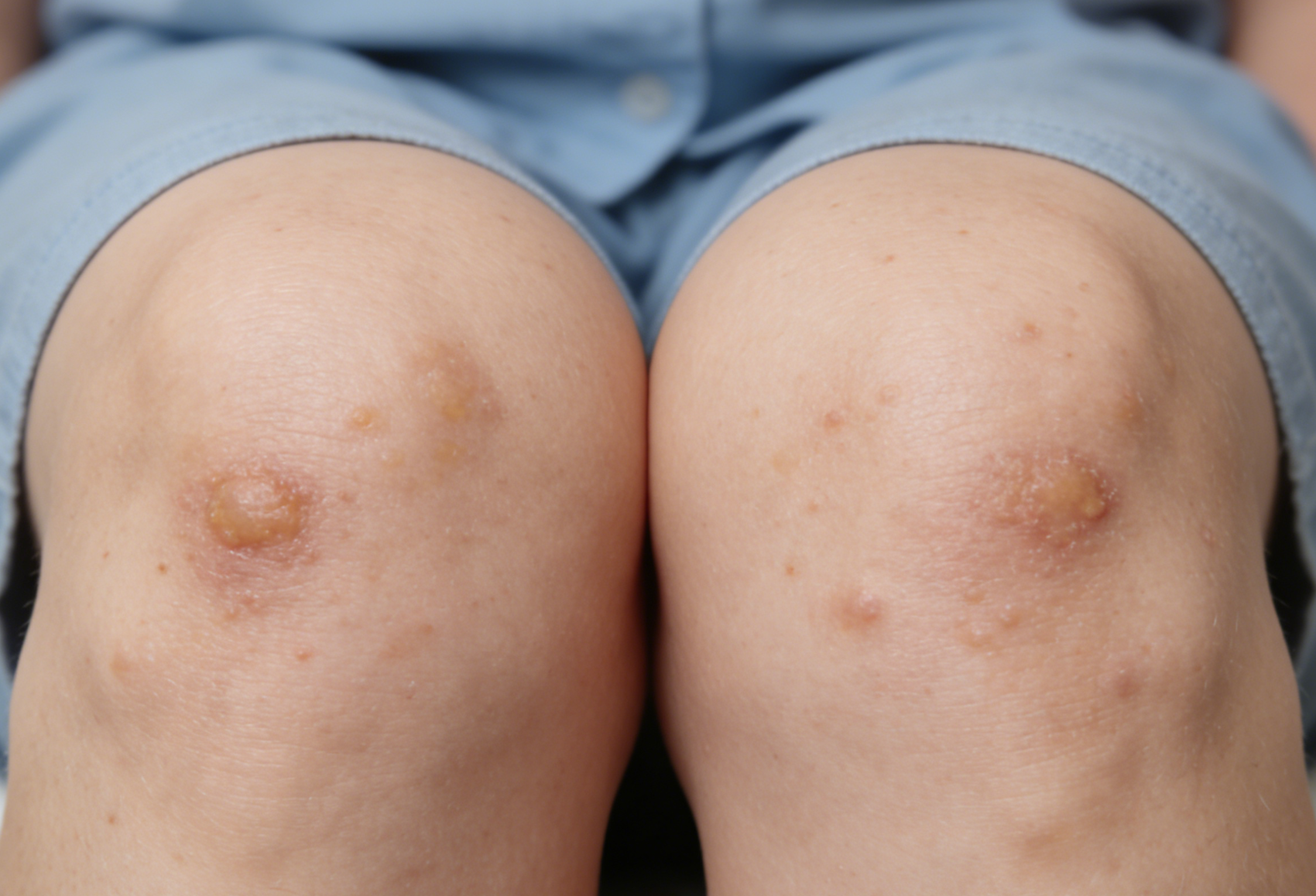
High cholesterol skin warning signs: Identification and significance of seven types of xanthoma
This article provides a detailed analysis of seven typical skin manifestations of high blood lipids—xanthomas—including their morphological characteristics and diagnostic significance in areas such as tendons and eyelids. Understanding these skin signals of abnormal blood lipids can help identify lipid problems early and provide clues for intervention and treatment.
2026-03-09