
Analysis of Accidental Medical Insurance Coverage Limits and Sub-health Risk Factors: A Study on the Accident Correlation Between Fracture Treatment and Occupational Fatigue
(iv) Payment of Medical Insurance Benefits: If the insured suffers bodily injury due to a covered accident during the insurance period and incurs medical expenses as a result, and applies for compensation within the liability period, the insurer will compensate the insured for the actual amount incurred, up to the insured amount. This insured amount includes actual medical expenses and hospitalization fees, as stipulated in the policy terms. The former refers to the reasonable actual medical expenses that the insured must pay, for which medical insurance benefits will be paid, but each payment shall not exceed the "limit of medical insurance benefits per injury" stipulated in the policy. The latter refers to the expenses incurred by the insured due to accidental injury and hospitalization at a public medical care facility or a hospital designated by the insurer. The insurer will pay the "daily medical insurance benefit" stated in the policy based on the number of days of hospitalization, or reimburse according to the stipulated amount, but the number of days for payment or reimbursement for each injury shall not exceed the stipulated time period. In addition, if the insured does not receive hospitalization for a fracture injury, the insurer may pay half of the "daily medical insurance benefit" based on the experienced number of days of hospitalization.
Section 3: Risk Factor Analysis of Sub-health in Personal Accident Insurance. Sub-health is a disease risk factor in health insurance, not a direct risk factor in accident insurance. However, sub-health directly affects a person's physical health and is a disease risk factor. Most importantly, it affects a person's physical and mental state. As mentioned earlier, a bus driver in Beijing suffered a sudden myocardial infarction due to sub-health, almost causing a major traffic accident while on duty. Many truck drivers, due to long-distance fatigue and lack of rest, cannot maintain normal attention and control, resulting in numerous serious accidents involving vehicle crashes and fatalities. The main reason for this is the fatigue caused by high work pressure and lack of proper rest. The risk factors of sub-health in accident insurance are as follows: I. The Influence of Occupation. Not to mention that occupation itself has a direct impact on accidental injury, different occupations also affect the probability of accidental injury due to the impact of work pressure. For example, work pressure is a prominent cause of sub-health. Occupations with high work pressure affect a person's cardiovascular system, often harboring latent cardiovascular diseases. When special circumstances occur, these diseases can be triggered, even leading to sudden death, causing accidental injury or death to the individual and others. 1. Occupations with chronically polluted work environments: The harsh environment weakens the immune system, reducing the body's resistance. This vulnerable group is more prone to accidental injuries and deaths than healthy individuals. 2. Individuals with hypertension, hyperlipidemia, and hyperglycemia: Those in a sub-healthy state with these conditions often experience dizziness, headaches, tinnitus, and fatigue, leading to poor concentration and slowed reaction time, significantly increasing their risk of accidental injury and death. 3. Obese individuals: Due to their larger size and slower reaction times, and the prevalence of hypertension, hyperlipidemia, and hyperglycemia, obese individuals are also at significantly higher risk of accidental injury and death than the general population. IV. Other Sub-healthy Groups The common characteristic of all sub-healthy groups is fatigue syndrome, which often manifests as fatigue, insomnia, and emotional instability. Due to fatigue, people have poor adaptability, poor reaction ability, and slow movements, making it difficult for them to make quick and accurate emergency responses such as avoidance and self-defense when encountering special situations. Therefore, the more severe the sub-health condition, the greater the probability of accidental injury.

Two key points for diet for people with high blood sugar: choosing health supplements carefully and enjoying meals.
This article reminds patients with high blood sugar to choose health supplements carefully and avoid believing exaggerated claims. It also emphasizes that maintaining a pleasant mood during meals helps stabilize blood sugar. These two key points are crucial aspects of dietary management and are essential for helping control blood sugar levels.
2026-03-05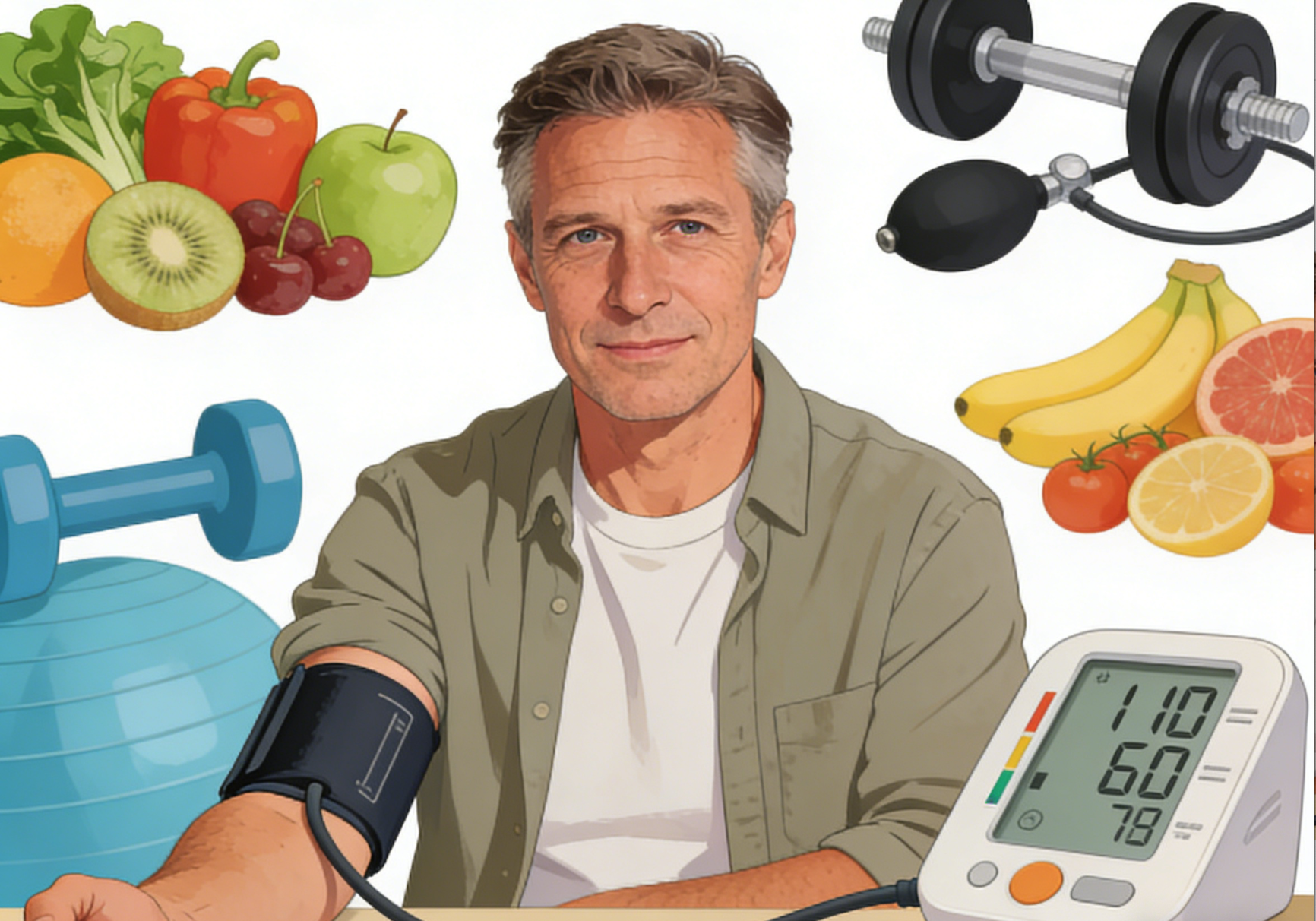
Analysis of the six major causes of hypertension: How to control blood pressure by improving lifestyle habits
This article provides a detailed analysis of six major unhealthy lifestyle habits that contribute to high blood pressure, including obesity, a high-salt diet, and lack of exercise. Improving these habits is the cornerstone of blood pressure control and helps to effectively lower and stabilize blood pressure levels in the long term.
2026-03-04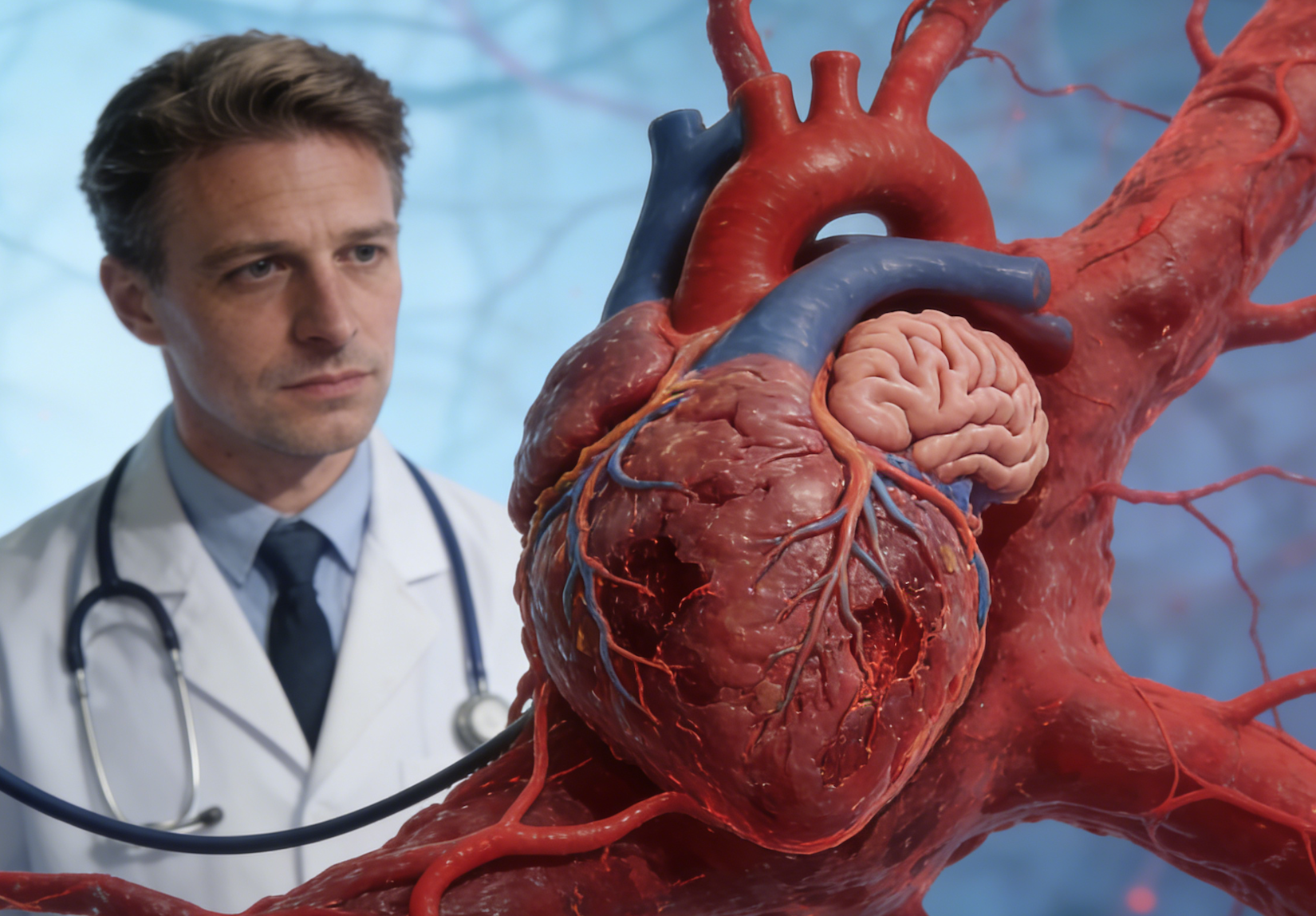
A detailed explanation of the six major harms of hypertension: how it damages the health of the heart, brain, and kidneys.
This article details the long-term damage that hypertension, as a "silent killer," inflicts on multiple organs, including the heart, brain, and kidneys, leading to serious consequences such as myocardial hypertrophy, stroke, and kidney failure. Understanding these dangers helps raise awareness of the importance of controlling blood pressure and actively managing blood pressure levels.
2026-03-04