
Overview of Coronary Artery Disease: Analysis of High-Risk Factors and Independent Risk Factors
Coronary heart disease (CHD) is short for coronary atherosclerotic heart disease, which refers to heart disease caused by narrowing or blockage of the coronary arteries due to atherosclerosis, leading to myocardial ischemia, hypoxia, or necrosis. CHD risk factors include: (1) Genetic factors: A clear familial tendency. (2) Age: Increases after age 40. Acute CHD events are increasingly occurring at younger ages, even as early as around age 30. (3) Gender: Higher incidence in men than women, with increased incidence in women after menopause. (4) Diet: High-fat, high-cholesterol diets. (5) Smoking: Nicotine and carbon monoxide exacerbate atherosclerosis and induce coronary artery spasm. (6) Excessive alcohol consumption: Inhibits lipoprotein lipase, causing triglyceride levels to rise. (7) Psychological factors: Strenuous exercise, excessive fatigue, and anger can induce plaque rupture. (8) Hypertension: Hypertensive patients are about four times more likely to develop CHD than those without hypertension. (9) Hyperlipidemia: An independent risk factor for stroke, CHD, and sudden cardiac death. (10) Overweight and obesity: Obese individuals have a higher incidence rate. (11) Diabetes: The incidence of coronary heart disease is 2 to 3 times higher than that of normal people. High postprandial blood glucose increases the risk of coronary heart disease. (12) Lack of exercise. (13) New risk factors: homocysteine, C-reactive protein, and fibrinogen. Homocysteine is a sulfur-containing amino acid and an intermediate product of methionine metabolism in the human body. The normal content is 5 to 15 μmol/L. Excessive homocysteine in the blood is an independent risk factor for arteriosclerosis, coronary heart disease, and stroke. Homocysteine causes endothelial damage and disrupts coagulation factor II and fibrinolysis. Studies have shown that for every 5 mmol/L increase in homocysteine in the blood, the risk of coronary heart disease increases by 33% and the risk of stroke increases by 59%; for every 3 mmol/L decrease in homocysteine, the risk of coronary heart disease decreases by 16% and the risk of stroke decreases by 24%. Hyperhomocysteinemia and hypertension are the two most important factors leading to stroke. Coronary artery disease (CAD) is classified into: asymptomatic or latent type, angina pectoris, myocardial infarction, ischemic cardiomyopathy, and sudden cardiac death. Latent CAD does not present with angina, but myocardial ischemia is evident on electrocardiogram (ECG) or when the cardiac workload is increased. Angina pectoris is mainly divided into stable and unstable types. Myocardial infarction (AMI) refers to acute ischemic necrosis of the myocardium. Sudden cardiac death refers to death within 1 hour or 24 hours of onset.

Lettuce helps lower blood pressure, blood sugar, and cholesterol: Nutritional analysis and two practical recipe recommendations
This article provides a detailed analysis of how lettuce, rich in various vitamins and dietary fiber, can help control high blood pressure, high cholesterol, and high blood sugar by promoting metabolism. It also offers two healthy recipes: lettuce with oyster sauce and lettuce with apple juice, to help you scientifically manage these issues in your daily diet.
2026-03-05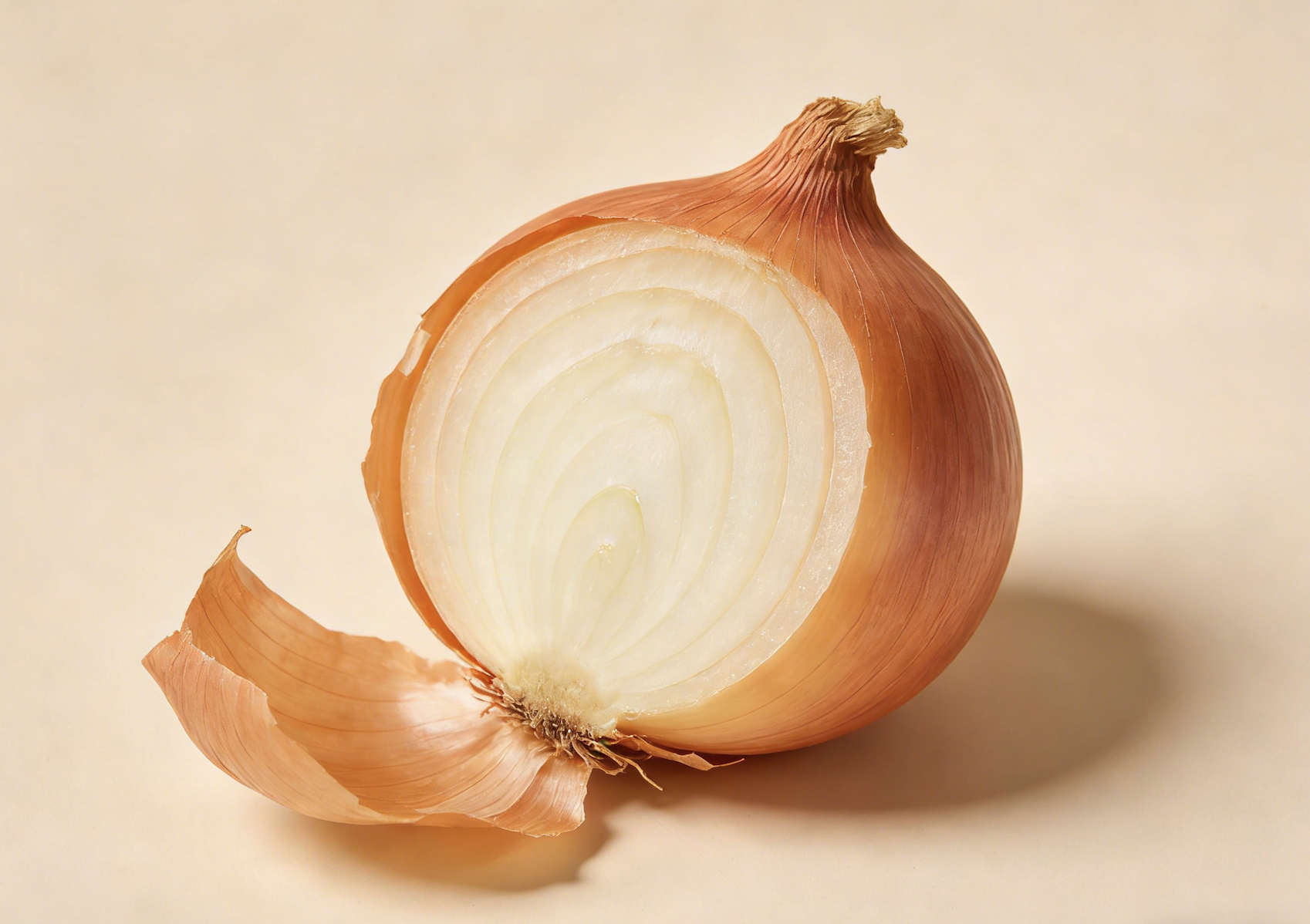
Onions and cauliflower: Two healthy vegetables and recipes for regulating blood sugar
This article details how the chromium and other nutrients abundant in onions and broccoli can effectively help regulate blood sugar levels. It also provides dietary remedies for diabetes, as well as delicious recipes such as stir-fried shrimp with onions and braised broccoli with mushrooms, offering scientific dietary choices for blood sugar management.
2026-03-07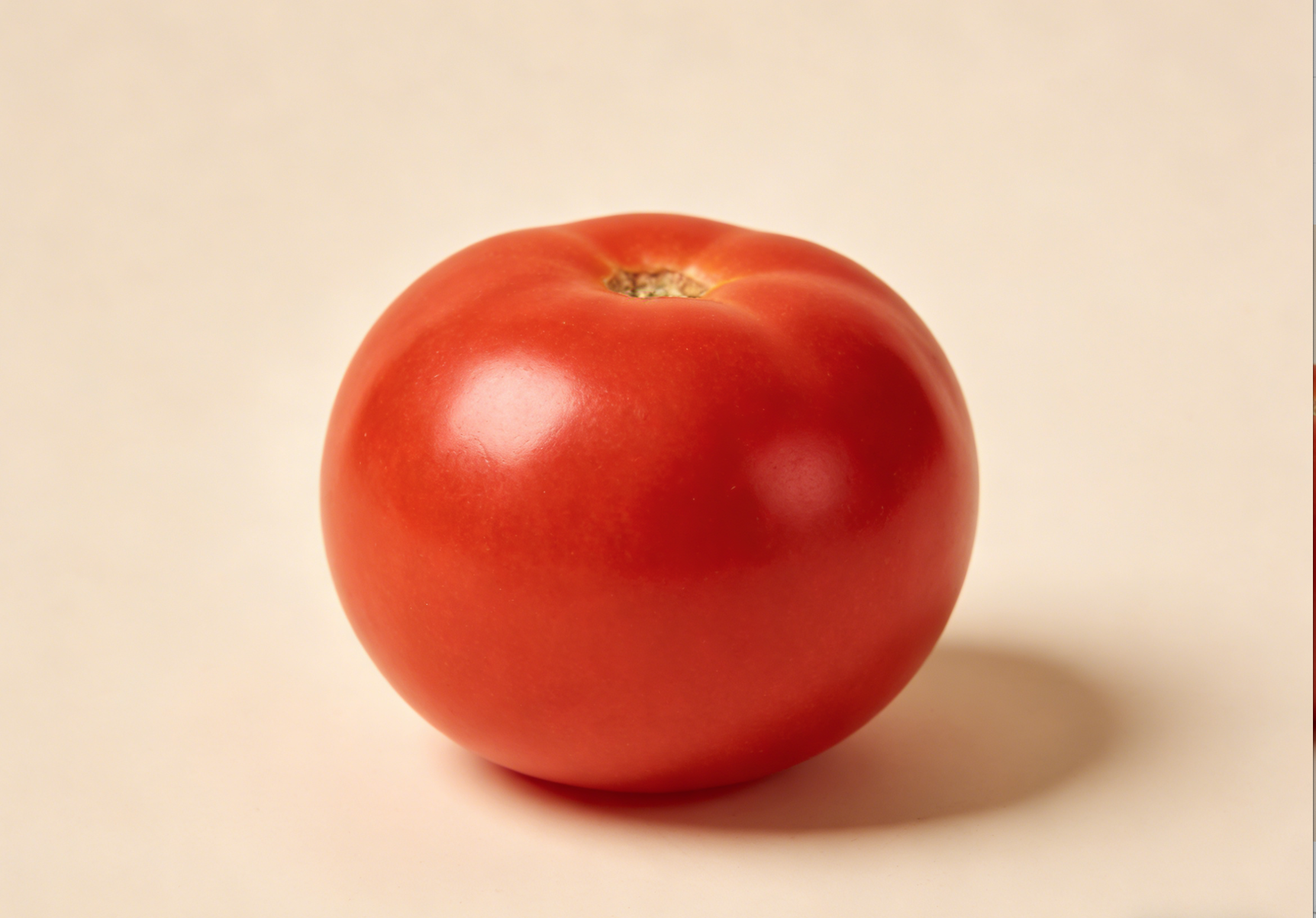
Tomatoes and soybean sprouts: Two ingredients for regulating blood pressure, blood sugar, and cholesterol, and healthy recipes.
This article details how lycopene in tomatoes and dietary fiber in soybean sprouts can help control high blood pressure, high blood sugar, and high cholesterol. It provides dietary therapy methods and healthy recipes for hypertension and diabetes, offering scientific dietary choices for your daily management of these conditions.
2026-03-05