
Sub-health Underwriting Practice Guide: From Developmental Assessment for Children Aged 0-3 to Hypertension Assessment and Premium Calculation Strategies in Adulthood
Section 5 Underwriting of Sub-healthy Individuals I. Assessment Factors for Underwriting of Sub-healthy Individuals There are many assessment factors for life insurance underwriting, but according to the different nature of the risk factors being assessed, they are mainly divided into two parts: health risk factors and non-health risk factors. Correspondingly, the review of these two types of risk factors is called medical underwriting and administrative underwriting, respectively. For the underwriting of sub-healthy individuals, more attention should be paid to the importance of medical underwriting. (I) Main Sources of Information for Medical Underwriting Medical underwriting mainly relies on the information in the application form, the agent's report, the physical examination report, past medical history data, supplementary health questionnaires, and the content related to health status in the ecological survey report. (II) Main Factors for Risk Assessment of Sub-healthy Individuals 1. Age The mortality rate varies in different age groups. The mortality rate is higher for children under 1 year old and adults over 45 years old, and the mortality rate will increase sharply for adults over 56 years old. (1) Key review content for children aged 0-3 years: including the birth process (premature birth, difficult birth, asphyxia, etc.), developmental stage (visual, hearing, intellectual and limb motor disorders, etc.) and past medical history (heart abnormalities, history of convulsions and vaccination status). (2) Key review points for individuals aged 45 and above: including physical appearance (obesity, thinness), past medical history (reasons for hospitalization, history of cardiovascular disease and diabetes), and assessment of any discrepancies in the physical examination results. 2. Physical Appearance: Physical appearance and body shape are reflected by factors such as height, weight, chest circumference, and abdominal circumference. The greater the deviation of weight from the normal range, the higher the mortality rate (assessment). Currently, the commonly used body mass index (BMI) is...

Diabetes and Cardiovascular Damage: Early Diagnosis and Treatment and Comprehensive Intervention for Glucose Metabolism Disorders
Diabetes is not only an abnormality in glucose metabolism, but is also considered a cardiovascular disease by the medical community. This article details the diagnostic criteria for diabetes and its pre-diabetes stages, revealing the limitations of fasting blood glucose testing in early screening. The article emphasizes that once diabetes is diagnosed, the cardiovascular system has often already suffered severe damage, with risks equivalent to those of a heart attack patient. By introducing a comprehensive treatment concept that "goes beyond lowering blood sugar," the article advocates for early, intensive intervention to protect pancreatic function and reverse vascular pathological processes, thereby significantly reducing the incidence of heart attack and stroke.
2026-03-24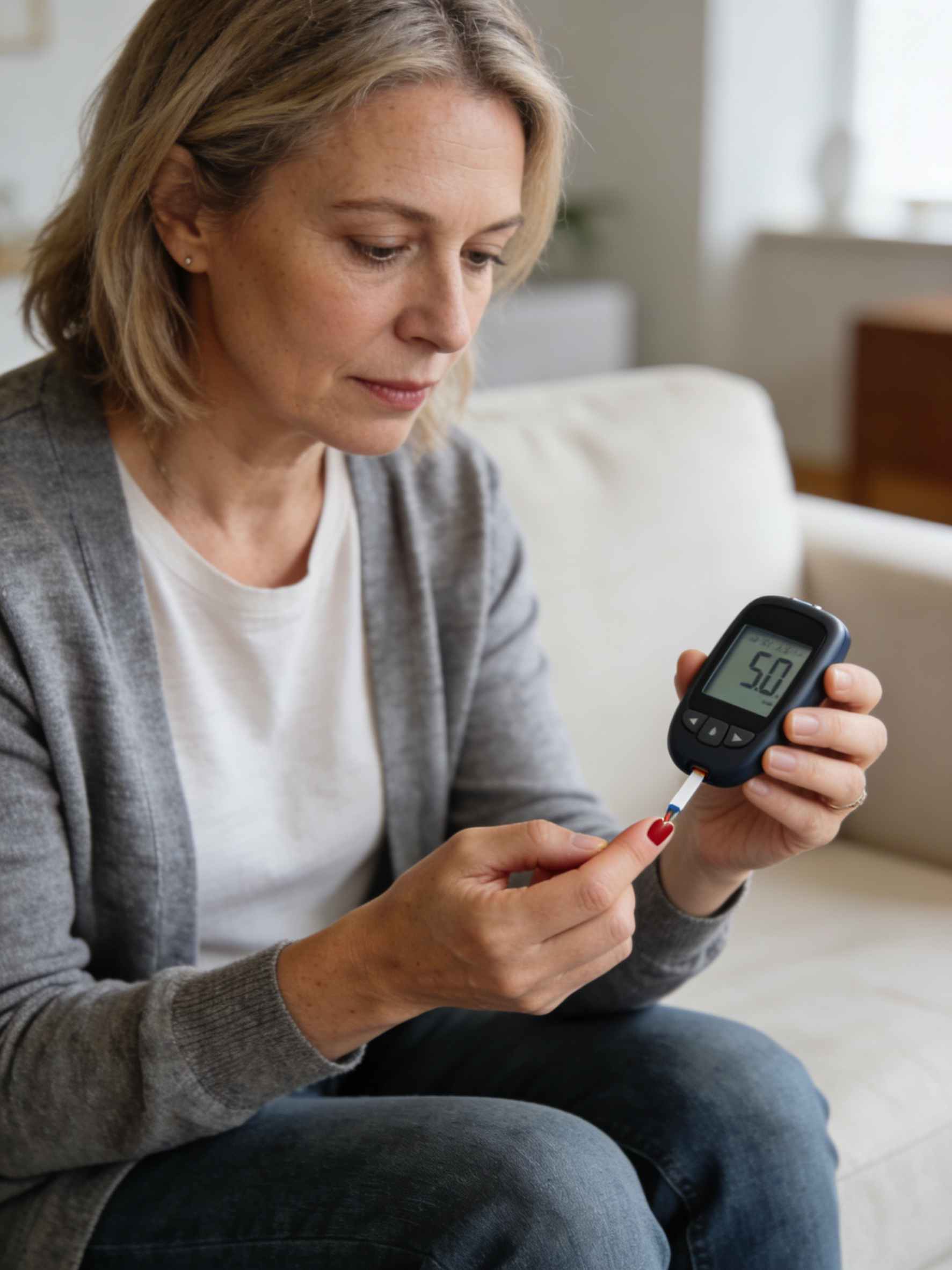
Lifestyle interventions and blood glucose monitoring for diabetes: the cornerstone of personalized chronic disease management
This article details how diabetic patients can control their condition through scientific lifestyle interventions and precise blood glucose monitoring. It covers the basic principles of dietary therapy, the benefits and safety precautions of aerobic exercise, and multi-dimensional monitoring protocols including postprandial blood glucose and glycated hemoglobin. The article aims to help patients establish systematic self-management habits, improve treatment effectiveness, and reduce the risk of complications.
2026-03-24Common Misconceptions and Risk Warnings about Vitamin Supplementation: Deficiency Diagnosis, Symptoms of Poisoning with Different Types and Timing of Administration, and In-depth Analysis of Vitamin Supplementation Through Tea
Vitamins are not stimulants, and blindly taking large doses carries significant risks. This article systematically lists the symptoms of vitamin A, D, B complex, C, E, and K overdose and provides self-testing criteria for vitamin deficiencies. The article further explores the relationship between vitamins and male sexual function and sperm motility, clarifies the absorption mechanism of...
2026-03-30