
Synergistic Effects of Hypertension, Hyperlipidemia, and Hyperglycemia and Blood Pressure Monitoring Practices: From Asymptomatic Risk to Standardized Precision Measurement
Third, hypertension, hyperlipidemia, and hyperglycemia are conditions affecting people with sub-healthy conditions.
The so-called "three highs" refer to hypertension, hyperlipidemia, and hyperglycemia. Most diseases, like the common cold, present with symptoms such as nasal congestion, sneezing, and sore throat, prompting patients to seek medical attention. However, hypertension, hyperglycemia, and hyperlipidemia are different; they typically have no obvious symptoms. Hypertension may cause dizziness, headaches, and blurred vision; the "three highs and one low" symptoms of hyperglycemia are often mistaken for: increased appetite is considered "healthy"; increased thirst and urination are seen as normal; and weight loss is attributed to being busy at work. Hyperlipidemia, on the other hand, often presents with no obvious symptoms.
High blood pressure, high blood sugar, and high cholesterol can trigger cardiovascular and cerebrovascular diseases. In fact, long before being diagnosed with these conditions, people are already in a state of "sub-health." Since these conditions have not yet developed into diseases, medication is generally unnecessary. However, if this sub-healthy state is left untreated, it can easily develop into the "three highs" (hypertension, hyperlipidemia, and hyperglycemia).
(I) High blood lipids are a sign of hypertension in sub-healthy individuals.
Blood lipids are a general term for various lipid substances in the blood, mainly referring to cholesterol, triglycerides, phospholipids, and free fatty acids. When their concentration exceeds the upper limit of the normal range, it is called hyperlipidemia.
High blood lipids are closely related to high blood pressure and are often a complication of hypertension. Numerous studies have shown that many hypertensive patients have lipid metabolism disorders, with significantly higher levels of cholesterol and triglycerides than normal individuals. A US survey of 51 million hypertensive patients found that 40% had high blood lipids, and in my country, 70% of hypertensive patients have hyperlipidemia.
High cholesterol is a significant risk factor for hypertension. Clinical studies have shown that the incidence of coronary heart disease increases significantly when hypertension and high cholesterol coexist. Experts believe that the treatment of high cholesterol should be carried out in conjunction with the treatment of hypertension.
However, in actual treatment, lipid-lowering drugs have significant toxic side effects. Almost all lipid-lowering drugs cause gastrointestinal reactions, and many drugs can also promote arteriosclerosis, causing liver and gallbladder diseases, heart damage, kidney damage, myopathy, nervous system diseases, skin inflammation, etc.
(II) Diabetes is a sub-healthy condition associated with hypertension.
People with diabetes are prone to high blood pressure, and their blood vessels are particularly vulnerable to damage, which can lead to stroke. Controlling diabetes is an important part of stroke prevention.
(III) Smoking and drinking alcohol can lead to sub-health conditions such as high blood pressure.
1. Smoking can cause high blood pressure.
Studies have shown that smoking one cigarette increases heart rate by 5–20 beats per minute and systolic blood pressure by 10–25 mmHg. In untreated hypertension patients, smokers have higher systolic and diastolic blood pressure over 24 hours than non-smokers; in particular, their nighttime blood pressure is significantly higher than that of non-smokers. This elevated nighttime blood pressure is directly related to left ventricular hypertrophy, meaning that smoking causes increased blood pressure and has adverse effects on the heart.
The mechanism is that nicotine in tobacco excites the central and sympathetic nervous systems, increasing heart rate and prompting the adrenal glands to release large amounts of catecholamines, causing arteriosclerosis and elevated blood pressure. Nicotine also stimulates chemoreceptors in blood vessels, reflexively raising blood pressure. Long-term heavy smoking promotes atherosclerosis of large arteries and gradually thickens the intima of small arteries, leading to hardening of the entire blood vessel. Simultaneously, the increased carboxyhemoglobin content in smokers reduces blood oxygen levels, causing hypoxia in the arterial intima, increased lipid deposition in the arterial walls, and accelerating the formation of atherosclerosis. Therefore, quitting smoking can prevent hypertension in people without hypertension, and it is even more important for those who already have hypertension to quit. Studies have found that smoking is not only harmful to the smoker, but the harm to passive smokers is no less than that to the smoker. Therefore, it is essential to quit smoking.
2. Alcohol consumption exacerbates arteriosclerosis and hypertension.
The health benefits and risks of alcohol consumption are highly controversial. Various research reports emerge frequently, some stating that alcohol is entirely harmful, while others claim that moderate drinking is beneficial. Opinions vary widely. However, one thing is certain: excessive alcohol consumption is definitely harmful; high concentrations of alcohol can lead to arteriosclerosis and worsen high blood pressure.
Section 3: Basic Knowledge of Hypertension
I. Standards for Blood Pressure
Blood in the human body flows throughout the vascular system under the pressure of the heart's contraction. Blood flow is a mixture of liquid and solid, and a certain pressure difference is required to maintain its flow. Blood pressure is the pressure difference referred to. Blood pressure usually refers to the lateral pressure of blood flowing in the blood vessels on the vessel walls. However, the hypotension and hypertension referred to in clinical practice are the blood pressure of the brachial artery in the upper limb and the femoral artery in the lower limb. The blood pressure standards currently established at home and abroad are based on the blood pressure of the right upper arm. (1) Normal adult blood pressure standard. Systolic blood pressure of 140 mmHg (18.7 kPa) or below; diastolic blood pressure of 90 mmHg (12.0 kPa) or below. (2) Adult hypertension standard. Systolic blood pressure of 160 mmHg (21.3 kPa) or above; diastolic blood pressure of 95 mmHg (12.7 kPa) or above. (3) Borderline hypertension. Blood pressure values are between normal and high blood pressure, that is, systolic blood pressure between 140 and 160 mmHg (18.7 to 21.3 kPa) and diastolic blood pressure between 90 and 95 mmHg (12.0 to 12.7 kPa).
II. Measuring Blood Pressure
In recent years, with the improvement of living standards and the popularization of health knowledge, many hypertensive patients have their own blood pressure monitors. So, how to use a blood pressure monitor to measure blood pressure correctly? (1) Keep the room quiet, and the room temperature should be kept at around 20℃. (2) Before measurement, the examinee should relax, rest for 20-30 minutes, empty the bladder, and not drink alcohol, coffee, or strong tea, and should stop smoking. (3) The patient can sit or lie down with both feet flat, and the elbow and forearm should be comfortably placed at about the same level as the heart. (4) Open the blood pressure monitor box, place it on a stable place near the patient's limb, and make the mercury column vertical to zero. (5) Have the patient take off their sleeve to expose the right upper arm. If the sleeve is thin and wide, it can be rolled up to the armpit. (6) When wrapping the blood pressure monitor cuff, first squeeze out the air in the cuff, and then wrap it 2-3 cm above the elbow joint of the right upper arm. It should not be too loose or too tight. After feeling the brachial artery pulsation on the inner side of the elbow crease, place the stethoscope tip on the brachial artery and inflate to measure the pressure. (7) Close the valve on the balloon, and the measurer's line of sight should be on the same horizontal plane as the scale on the mercury column to observe the height of the mercury column. Inflate quickly, and after the radial pulse disappears, add 30 mmHg (4 kPa) and stop inflating. Slightly open the valve to allow the mercury to slowly descend. When the first pulse sound is heard, it is the "high pressure", i.e., systolic pressure. Continue to deflate slightly, and when the mercury slowly descends to a certain scale on the sphygmomanometer, the sound suddenly weakens or disappears, which is the "low pressure", i.e., diastolic pressure. (8) After the first measurement, deflate completely and wait at least one minute before repeating the measurement. Take the average of the two measurements as the obtained blood pressure value. In addition, to determine whether you have hypertension, it is best to take measurements at different times. It is generally believed that at least three occasional blood pressure measurements on different days are needed to diagnose hypertension. (9) Organize the cuff and stethoscope, and turn off the mercury column to zero for future use.
III. Blood Pressure Measurement Time
Most people's blood pressure exhibits a clear diurnal rhythm, meaning that blood pressure is higher during the day when they are active and lower after falling asleep at night. Generally, there are two peak periods in blood pressure during the day, namely 6-10 am and 4-8 pm. Measuring blood pressure during these two periods can help determine the highest point of blood pressure during the day. Different antihypertensive drugs have different durations of action. Long-acting preparations, such as Monoclonal and Norvasc, are taken once a day and their antihypertensive effect can last for about 24 hours. Short-acting preparations, such as Captopril and Nifedipine, have a shorter duration of action and need to be taken three times a day. Their effect disappears 6-8 hours after taking the medication. Intermediate-acting preparations have an effect of about 12 hours and need to be taken twice a day, such as Verapamil. In order to determine the antihypertensive effect of the above three different dosage forms of drugs, it is necessary to measure blood pressure at the following times: (1) Measure blood pressure when you wake up every morning. The blood pressure level at this time reflects the duration of the antihypertensive effect of the drug and the blood pressure status during sleep at night. If the blood pressure during sleep at night is the same as the daytime level, an additional antihypertensive drug should be taken before bedtime. (2) Measure blood pressure 2-6 hours after taking the antihypertensive drug. Because short-acting preparations generally reach their maximum blood pressure reduction within 2 hours after administration, while intermediate-acting and long-acting preparations show peak blood pressure reduction within 2–4 hours and 3–6 hours respectively, blood pressure measurements during these periods generally reflect the maximum blood pressure reduction effect of the drug. (3) When patients first start taking antihypertensive drugs or switch to other medications, in addition to the above-mentioned time periods, they should measure their blood pressure every few hours or perform 24-hour blood pressure monitoring to confirm the antihypertensive effect and whether there are fluctuations in blood pressure. Correctly mastering the timing of self-measurement of blood pressure can more objectively reflect the effect after medication, help doctors adjust the drug dosage and administration time in a timely manner, and decide whether combination therapy is needed to achieve better blood pressure control.
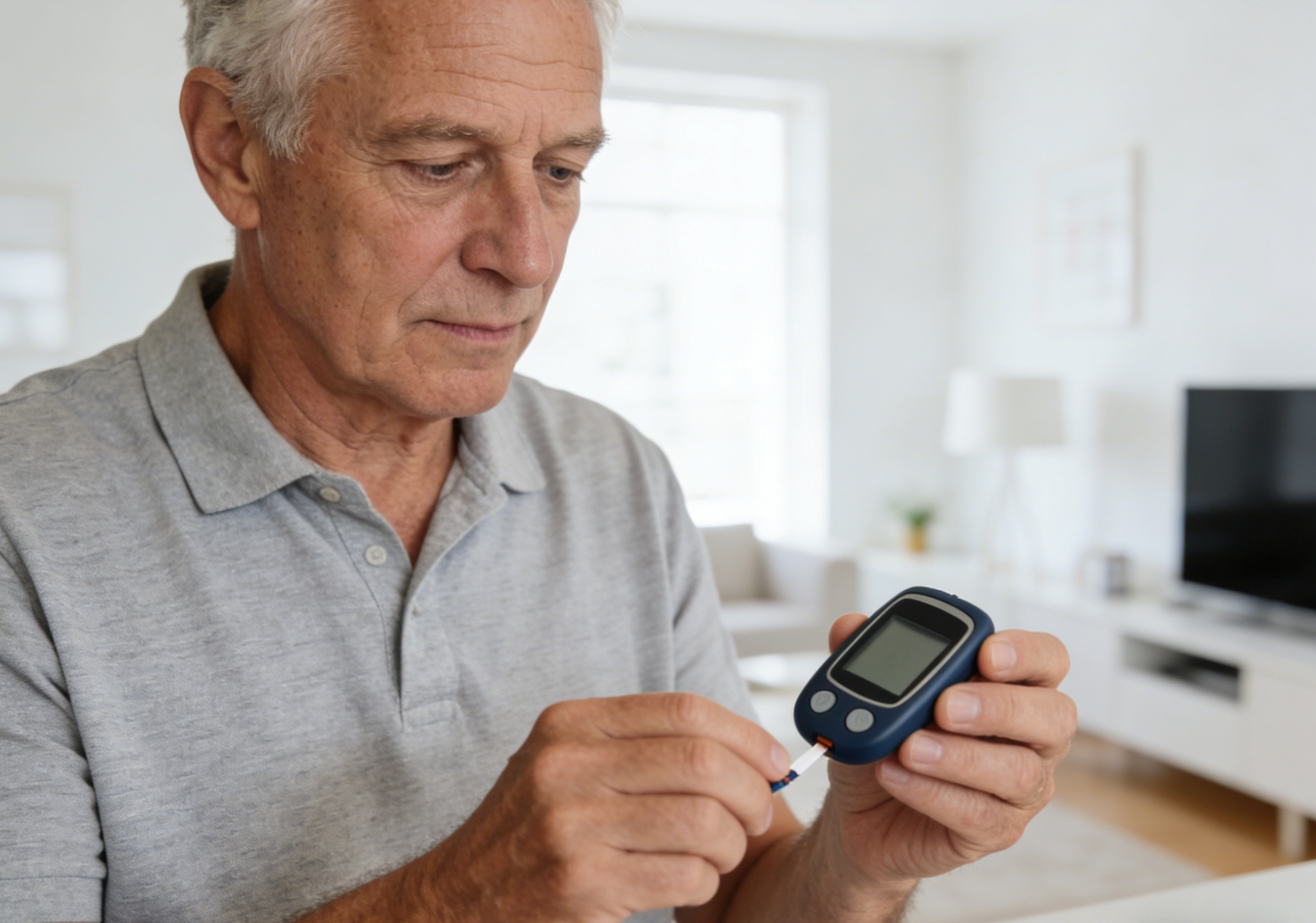
Analysis of the Causes of Hyperglycemia in Middle-aged and Elderly People and Five Prevention Strategies
This article analyzes in detail the ecological causes of hyperglycemia in middle-aged and elderly people and provides five scientific prevention strategies: living environment, dietary control, regular exercise, regular monitoring, and drug intervention, to help effectively manage blood sugar levels. By establishing a healthy lifestyle, middle-aged and elderly people can significantly reduce their risk of diabetes and maintain long-term blood sugar stability.
2026-03-09
Beware of the increasing prevalence of high blood sugar among young people: Risk analysis of obese office workers
This article reveals the rapid spread of hyperglycemia among young office workers, analyzes why mental laborers with high stress and little exercise are more prone to elevated blood sugar, and elaborates on the close relationship between obesity and abnormal blood sugar, providing scientific prevention and management advice for high-risk groups.
2026-03-10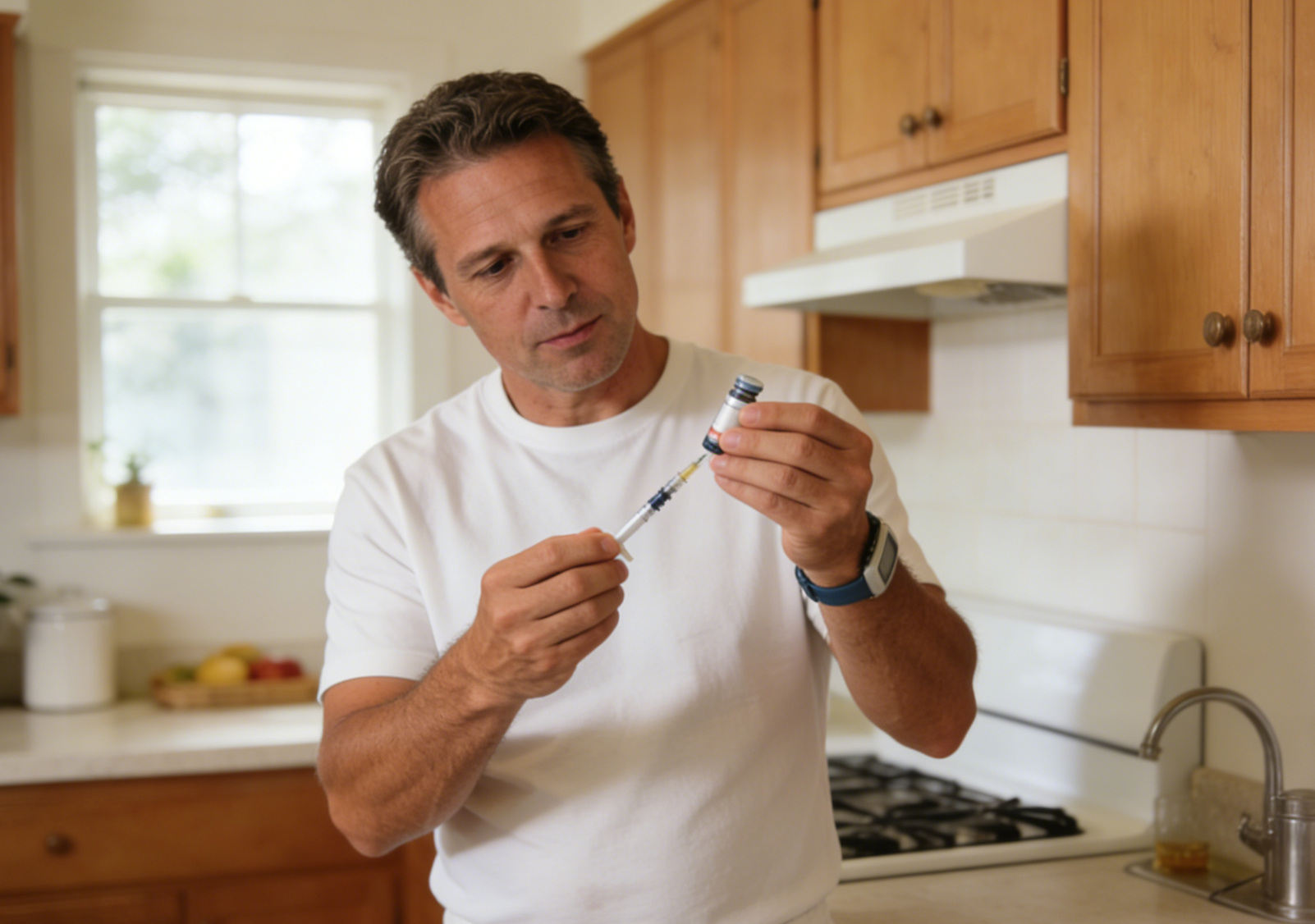
Detailed Explanation of the Eight Major Dangers of High Blood Sugar and Six Comprehensive Treatment Measures for Diabetes
This article details eight serious harms of long-term high blood sugar to blood vessels, nerves, pancreatic cells, and other aspects. It also systematically introduces six comprehensive treatment measures for diabetes, with diet, exercise, medication, and monitoring as the core, emphasizing the importance of scientific blood sugar control in delaying complications and managing the condition.
2026-03-10