
A Comprehensive Guide to the Hazards and Standardized Treatment of Hyperlipidemia: From Examination to Prevention
The Dangers of Hyperlipidemia: Hyperlipidemia is closely related to many diseases, most importantly, it can lead to atherosclerosis, a systemic disease that can cause disability and death. Its serious consequences include stroke, myocardial infarction, and peripheral artery disease (such as intermittent claudication). These diseases are currently the leading cause of death and disability worldwide.
Dyslipidemia, along with hypertension, diabetes, smoking, and obesity, constitutes multiple risk factors for atherosclerosis and plays a significant role in its occurrence and development. Furthermore, hypertriglyceridemia, with extremely elevated triglyceride levels (≥5.7 mmol/L), increases the risk of acute pancreatitis.
Diagnostic criteria for hyperlipidemia: The diagnostic criteria for hyperlipidemia established in my country's 1997 guidelines for the prevention and treatment of dyslipidemia are as follows: Suitable range: Total cholesterol (TC) < 5.20 mmol/L (200 mg/dL), triglycerides (TG) < 1.71 mmol/L (150 mg/dL); Borderline elevated: Total cholesterol: 5.23–5.69 mmol/L (201–219 mg/dL); Hyperlipidemia: Total cholesterol > 5.72 mmol/L (220 mg/dL) or/and triglycerides > 1.70 mmol/L (150 mg/dL); Low high-density lipoprotein cholesterol: < 0.91 mmol/L (35 mg/dL).
Blood lipid tests typically include: total cholesterol (TC), triglycerides (TG), and high-density lipoprotein cholesterol (HDL-C). Low-density lipoprotein cholesterol (LDL-C) can be measured by calculation.
Apolipoprotein A (APO-A), apolipoprotein B (APO-B), and lipoprotein (a) are optional tests due to their technical requirements and difficulty.
Who should have routine blood lipid tests? The following groups should have routine blood lipid tests:
(1) Those with coronary heart disease, cerebrovascular disease, peripheral artery disease, abdominal aortic aneurysm, and symptomatic carotid artery disease.
(2) Those with a family history of atherosclerosis or coronary heart disease, especially those with early-onset arterial disease in their immediate family.
(3) Those with xanthoma or xanthelasma.
(4) Those with hypertension, diabetes, smoking, and obesity.
(5) Those under chronic stress.
(6) Those with familial hyperlipidemia. (7) Routine lipid testing is recommended for men over 40 years of age and postmenopausal women.
What should be noted before a lipid test in clinical practice:
(1) To ensure the test results reflect the patient's stable condition, the patient should maintain a regular diet for at least two weeks before the first test, maintain a stable weight, and discontinue any lipid-lowering drugs and hormones.
(2) The patient should undergo the lipid test on an empty stomach. The patient should avoid high-fat foods and alcohol the night before the blood draw to prevent affecting triglyceride levels.
(3) The patient should maintain a comfortable sitting position for 5-10 minutes during blood collection, as changes in posture can affect plasma volume, thus altering cholesterol and triglyceride levels.
(4) If abnormal lipid levels are found, a follow-up test should be performed within 4-8 weeks. If the results are still abnormal, hyperlipidemia can be diagnosed.
After an abnormality is found, further examinations should be conducted under the guidance of a doctor to determine the cause of the lipid abnormality and to provide appropriate treatment.
What further examinations are needed after a diagnosis of hyperlipidemia: When hyperlipidemia has been confirmed, it is essential to determine the presence and degree of arteriosclerosis. Further examinations include blood pressure measurement, electrocardiogram (ECG), and fundus examination. Sometimes, specialized examinations such as ultrasound, CT scans, MRI, and angiography are required.
Which department in the hospital should a patient with hyperlipidemia see? When blood lipid levels are found to be higher than normal, patients can seek further examination and treatment from departments such as endocrinology, cardiology, neurology, or gastroenterology.

Environment, Genetics, and Emotions: Unveiling the Hidden Causes and Prevention Strategies of High Blood Pressure
Many seemingly insignificant pathogenic factors, when combined, often become the "culprits" of health problems. This article, through the tragic cases of a researcher's sudden death and a father-son conflict leading to a brain hemorrhage, reveals the deadly threat that excessive fatigue and emotional turmoil pose to blood pressure. The article further explores the unique impact of overcrowding on male blood pressure and details the genetic predisposition and preventative pathways for hypertension. By establishing healthy lifestyle habits and social support, we can effectively resist the negative effects of genetic factors and maintain stable blood pressure.
2026-03-20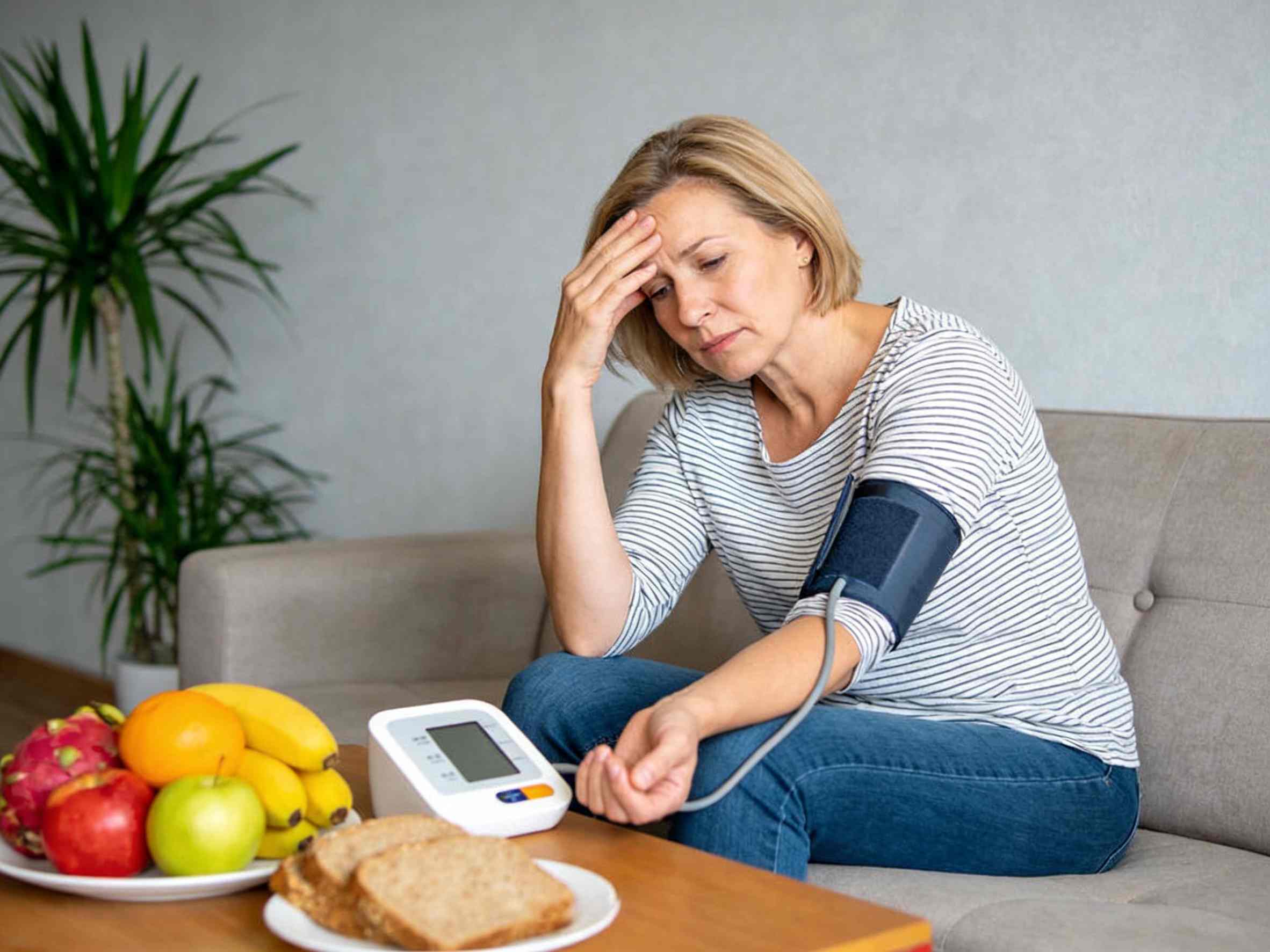
Crossing Age and Diagnosis: Prevention and Treatment Pathways and Scientific Medication Guidelines for Hypertension
Elevated blood pressure is not absolutely synchronized with age; this article introduces the "trajectory phenomenon" to explain the importance of prevention during adolescence. Addressing the serious reality of modern people having "blood vessels at age 60" at age 30, the article analyzes how unhealthy lifestyles accelerate arteriosclerosis. Finally, the article provides comprehensive guidance from drug treatment (six classes of antihypertensive drugs) to non-drug measures (salt restriction, aerobic exercise, and mental adjustment), emphasizing that hypertension prevention and treatment require scientific diagnosis and consistent behavioral intervention.
2026-03-20
Variable blood sugar: From the basics of energy metabolism to the hidden threat of "hyperglycemia surges"
Blood sugar is the energy source for life, but it can also be a hidden threat to health. This article delves into the sources and metabolic pathways of blood sugar, elucidating the interplay between insulin and blood sugar-raising hormones. Through the tragic case of young Xiao Hu's sudden death due to high blood sugar, it warns readers to pay attention to the silent damage that a "hyperglycemia wave" can cause to blood vessels. The article emphasizes that early detection of elevated blood sugar and effective intervention during the sub-healthy stage are the last line of defense in stopping the progression of diabetes and protecting life.
2026-03-20