
Analysis of Clinical Manifestations of Hyperlipidemia: Changes in the Eyes and Recognition of Skin Signals
Clinical Manifestations of Hyperlipidemia
Arcuolar arcus, also known as corneal arcus, is often accompanied by hyperlipidemia in individuals under 40 years of age, particularly in familial hypercholesterolemia, although its specificity is not very high.
Fundus changes in hyperlipidemia are caused by the deposition of large triglyceride-rich lipoprotein particles on the small arteries of the fundus, resulting in light scattering. This is often a characteristic manifestation of severe hypertriglyceridemia accompanied by chylomicronemia. Furthermore, severe hypercholesterolemia, especially homozygous familial hypercholesterolemia, can lead to migratory polyarthritis, which is often self-limiting. Significant hypertriglyceridemia can also cause acute pancreatitis.
It can also lead to coronary heart disease and peripheral vascular disease. Because the incidence of xanthomas in hyperlipidemia is not very high, and the development and progression of atherosclerosis takes a considerable amount of time, most patients with hyperlipidemia are asymptomatic or have no abnormal signs. Hyperlipidemia is often discovered during blood biochemistry tests (measuring blood cholesterol and triglycerides). A study suggests that fingerprints can indicate a predisposition to high blood pressure, with more ring-like fingerprint patterns associated with hypertension. This series of studies on fetal development, conducted by the Department of Epidemiology at the University of Southampton under the UK Medical Research Council, aimed to confirm a theory proposed in the 1980s: that adult hypertension is determined during fetal development. Researchers found that the more ring-like fingerprint patterns on the thumb and other fingertips, the greater the likelihood of high blood pressure. Of the 139 people surveyed, 93 had at least one ring-like fingerprint, and their blood pressure was 6% higher than those without ring-like fingerprints; the blood pressure index was directly proportional to the number of ring-like fingerprint patterns.
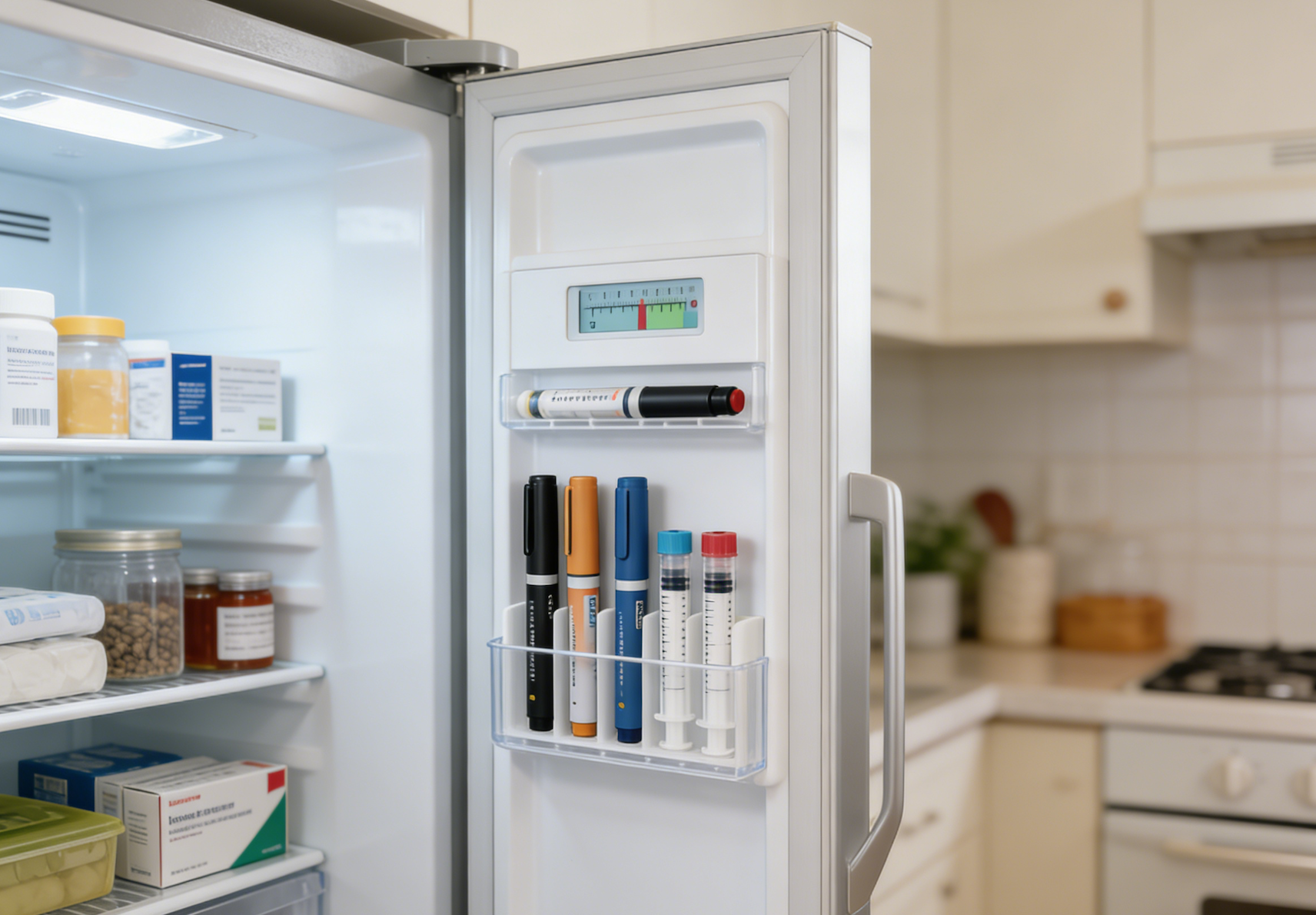
Guidelines for the Selection of Hypoglycemic Drugs in Patients with Hyperglycemia: Types, Dosage, and Adjustment Principles
This article provides detailed guidance on how patients with hyperglycemia should correctly select oral hypoglycemic agents based on their condition (such as whether it is a new diagnosis or whether they are obese), and explains the principles of dosage adjustment during treatment. Correct medication use helps to effectively control blood sugar and avoid side effects; it is recommended to use medication under the guidance of a doctor.
2026-03-02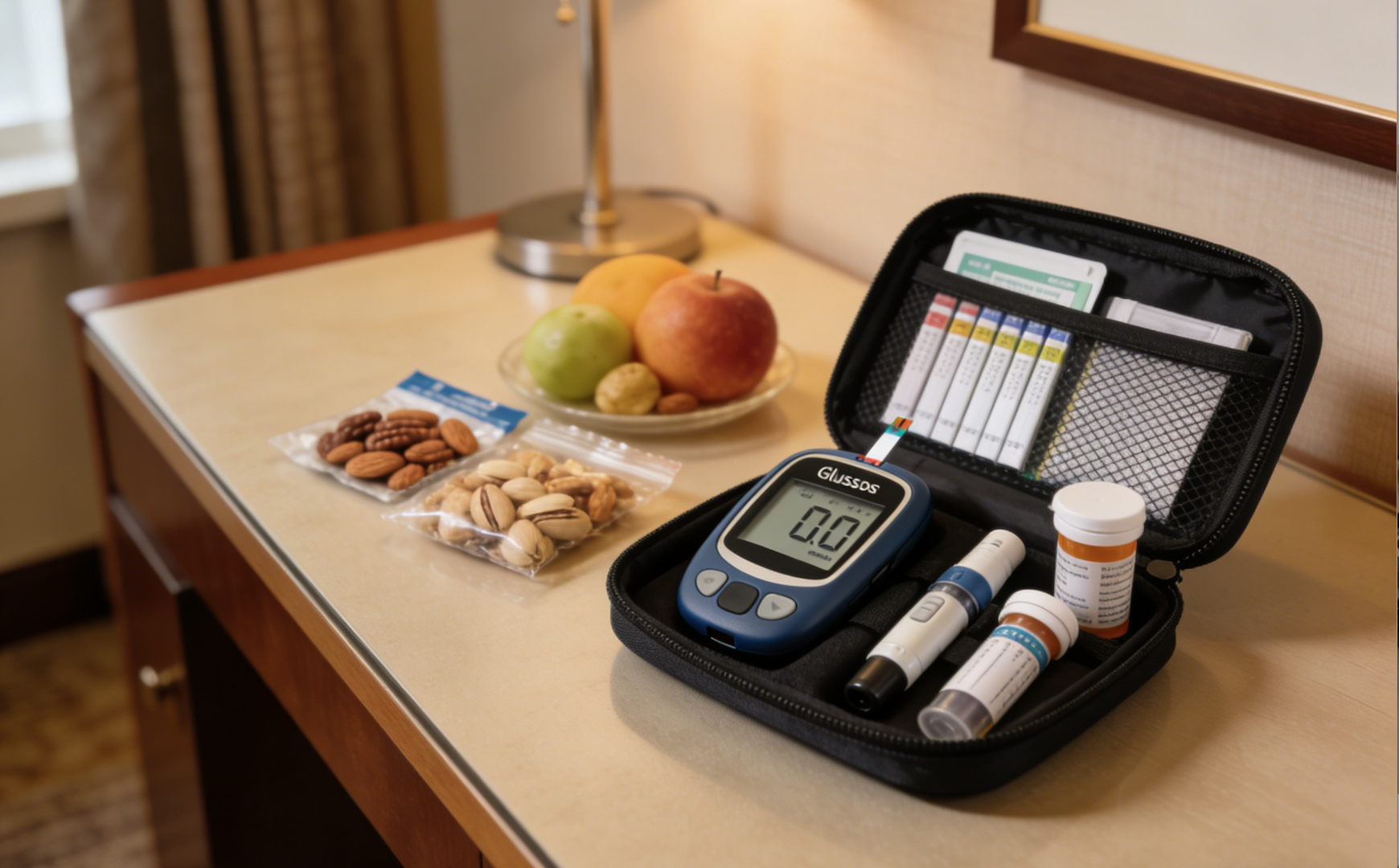
Medication Guidelines for Patients with Hyperglycemia: Scientific Use of Biguanides and Strict Adherence to Doctor's Prescription
This article guides patients with high blood sugar on how to take biguanide medications scientifically and emphasizes the importance of strictly adhering to medical advice. Correct medication use and adherence to instructions are key to safe and effective blood sugar management, helping to avoid side effects and achieve stable blood sugar control.
2026-03-02
Blood Glucose Meter Usage Guide: Avoiding Errors and Accurate Blood Glucose Monitoring
This article provides a detailed explanation of the correct use of a blood glucose meter, including key points such as testing frequency, standardized blood collection procedures, test strip storage, and instrument storage. Mastering these techniques ensures accurate blood glucose monitoring results and is crucial for effective blood glucose level management.
2026-03-02