
Why should patients with hyperlipidemia avoid high-cholesterol foods and lean meats?
Avoid excessive consumption of cholesterol-rich foods: The human body obtains cholesterol (TC) from two sources: internal and external. The former is synthesized by the liver, while the latter comes from food. The former's levels fluctuate inversely with the latter's; their relative strengths are inversely proportional. When dietary cholesterol intake increases, liver synthesis decreases; conversely, when dietary cholesterol intake decreases, liver synthesis increases. Therefore, under the regulation of the liver, the body maintains an appropriate level of cholesterol. However, this regulatory function is limited; both excessively high and low cholesterol levels are detrimental to health.
For patients with hyperlipidemia, excessive cholesterol intake from food will exacerbate their condition, leading to further increases in blood lipids and accelerating the formation of atherosclerosis and coronary heart disease. Patients with hyperlipidemia should adhere to the principle of "lower is better," with a daily intake of less than 300 mg. Patients with hyperlipidemia must limit their intake of high-cholesterol foods. They should avoid animal organs, such as brain, liver, kidneys, and intestines, which are highest in cholesterol. Eggs and fish roe should also be consumed sparingly. Hyperlipidemia patients should eat more plant-based foods that contain almost no cholesterol, such as beans and grains. These are rich in phytosterols, which will not increase cholesterol levels and can inhibit the absorption of cholesterol by the intestinal wall, thus effectively lowering blood cholesterol levels in hyperlipidemia patients.
Avoid frequently eating lean meat: From both a health and aesthetic perspective, there is a consensus on the dietary principle of choosing lean meat over fatty meat. Currently, there is a widespread view that fatty meat contains a large amount of saturated fatty acids, which are harmful to the body. Regular consumption of fatty meat will lead to weight gain, causing elevated serum cholesterol levels, ultimately leading to hyperlipidemia, atherosclerosis, cerebral hemorrhage, and other cardiovascular diseases. Based on these reasons, many people only eat lean meat and avoid fatty meat. It's undeniable that lean meat contains less saturated fatty acids than fatty meat, but it's inaccurate to say that all lean meat is low in fat. Nutritionists have measured the fat content of various animal meats. For example, per 100 grams: rabbit meat contains 0.4 grams, horse meat 0.8 grams, lean beef 6.2 grams, lean lamb 13.6 grams, while lean pork contains a whopping 28.8 grams. Blindly promoting lean meat has predictable consequences; many people have made lean pork a staple in their daily diet. Wouldn't this lead to hyperlipidemia, atherosclerosis, cerebral hemorrhage, and other cardiovascular diseases? The answer is definitely no.
Recently, Dr. Bubis of the Royal Institution of London, after analysis and research, pointed out that eating more lean meat is more harmful to human health than fatty meat because lean meat automatically produces a carcinogen—heterocyclic amines—during cooking. Multiple animal experiments have shown that heterocyclic amines are gene-damaging substances that can induce mutagenesis in deoxyribonucleic acid (DNA). Heterocyclic amines in lean meat are easily absorbed directly into the bloodstream by the large intestine. The higher incidence of colorectal cancer in Western countries compared to other countries is largely attributed to their frequent consumption of lean meat, especially large amounts of steak.
Lean meat is high in methionine. Methionine is an essential amino acid for the synthesis of certain hormones and maintaining skin health. However, when activated by certain enzymes during thermal and chemical processing, methionine produces homocysteine. Modern medicine has determined that homocysteine directly damages the endothelial cells of arterial walls, promoting the deposition of cholesterol and triglycerides in the blood and their infiltration into the arterial walls, leading to atherosclerosis. Excessive consumption of lean meat undoubtedly increases methionine levels, and consequently, homocysteine levels, accelerating the development of atherosclerosis.
Western nutritionists believe that the lower incidence of breast and colorectal cancer in Asian countries like China and Japan is related to the high consumption of soybeans and soy products in these countries. Isoflavones, the main components of soybeans, are anticancer active substances, with two-thirds being trihydroxyisoflavones. These are known to have significant antimutagenic effects against potent carcinogens such as benzo[a]pyrene and methylbenzanthracene, and exhibit strong inhibitory effects against breast and colorectal cancer. Therefore, to maintain good health, it is advisable to eat less lean meat and more soybeans and soy products.

Contraindications for drug combinations in diabetic patients: Scientific use of medication to stabilize blood sugar
This article provides a detailed analysis of medication contraindications for diabetic patients, emphasizing the need to avoid unscientific drug combinations that could reduce the effectiveness of hypoglycemic agents or trigger hypoglycemia. Correct medication use is crucial for controlling blood sugar, helping to maintain stable blood sugar levels, and ensuring safe and effective treatment.
2026-03-02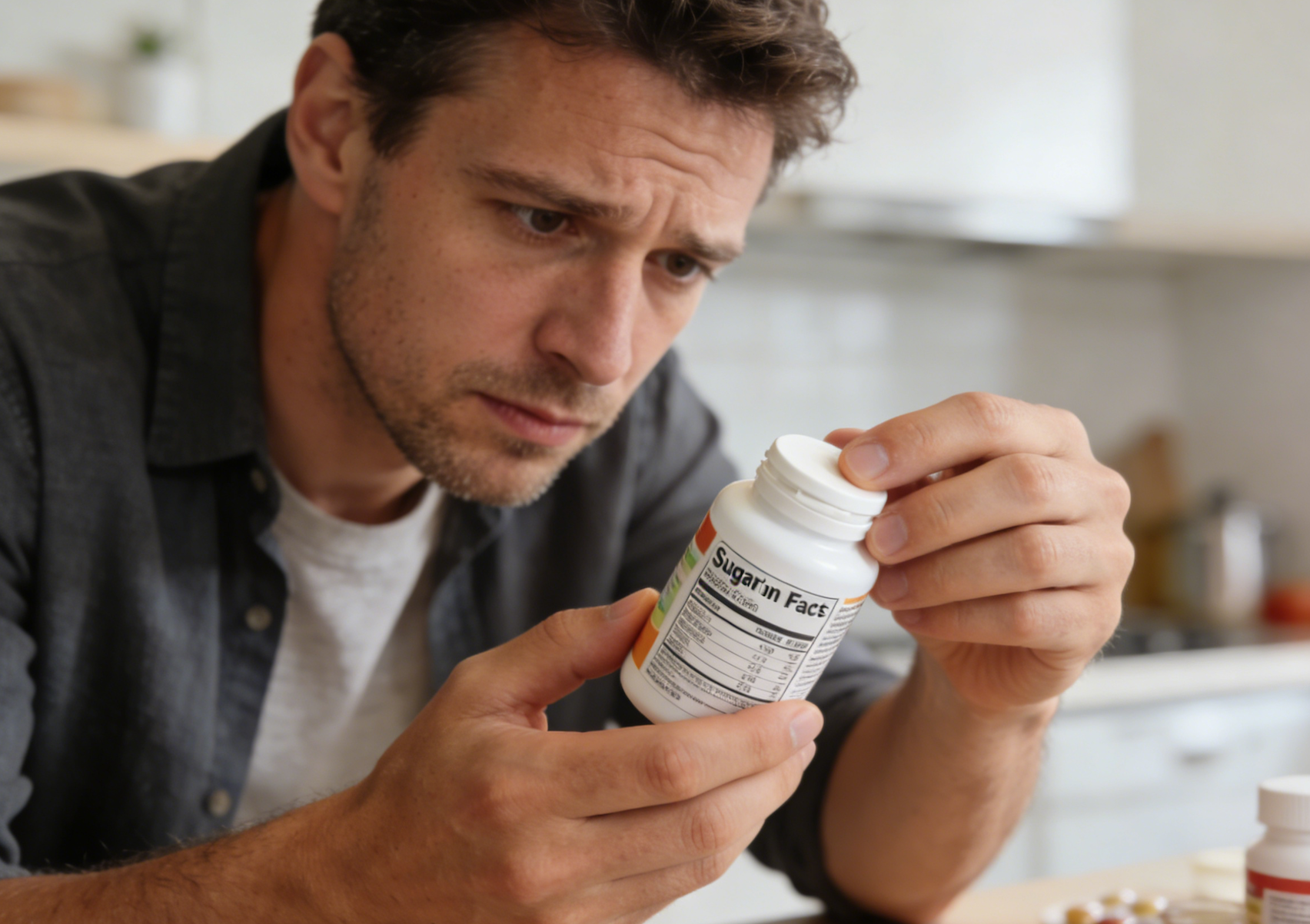
Diabetic patients choosing over-the-counter medications: Pay attention to sugar content and blood glucose safety
This article reminds diabetic patients to pay attention to the sugar content, potential side effects, and interactions with hypoglycemic agents when choosing over-the-counter medications. These factors can affect blood sugar levels, and making the right choice is crucial for ensuring medication safety and stable blood sugar control.
2026-03-02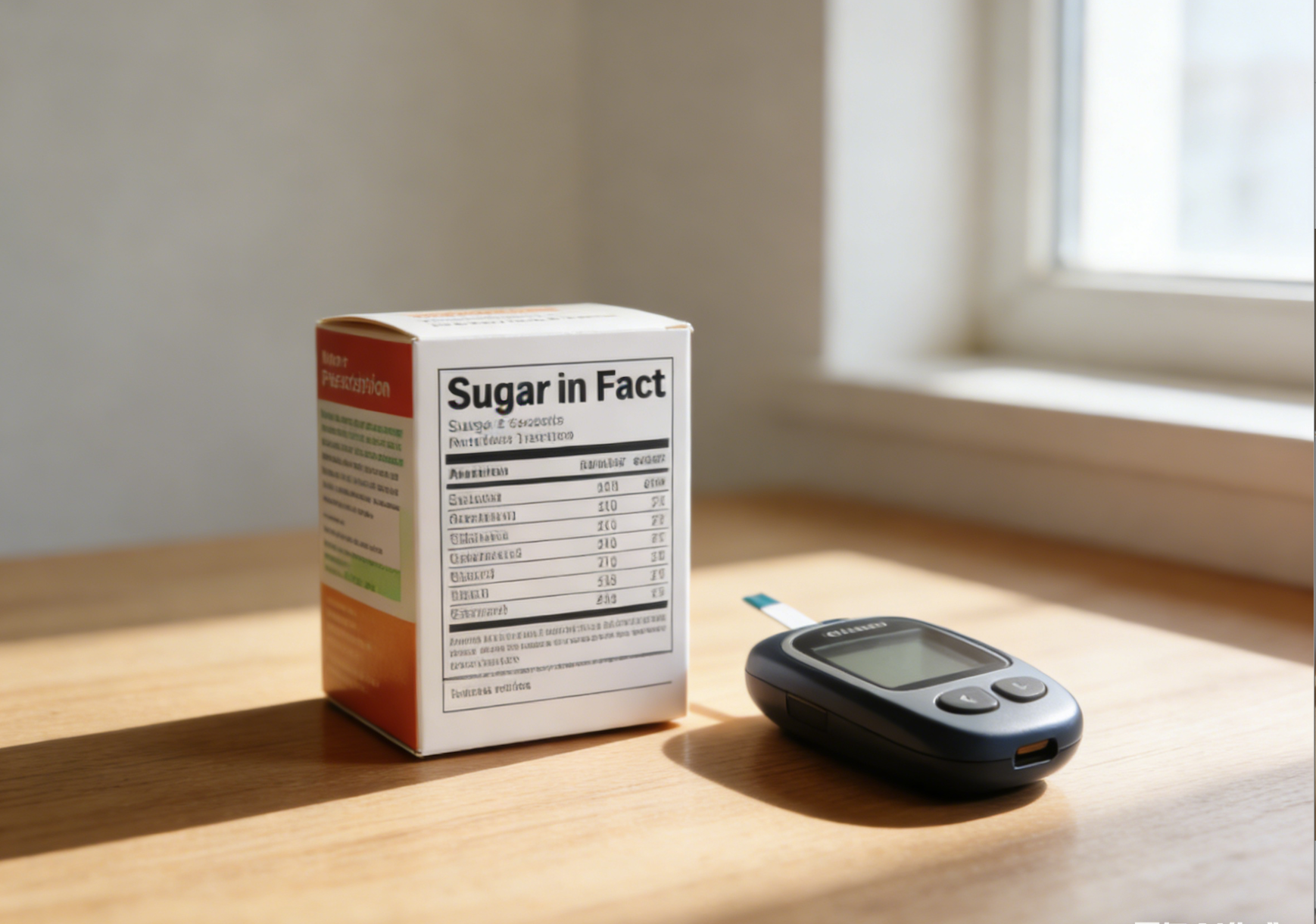
Warning about stopping diabetes medication: Abruptly stopping medication may lead to uncontrolled blood sugar.
This article emphasizes that diabetic patients should never suddenly stop taking their medication. Stopping medication without consulting a doctor can easily lead to a sharp rise in blood sugar, triggering dangerous conditions such as ketoacidosis. Adhering to regular medication is fundamental to maintaining stable blood sugar levels; patients must follow their doctor's instructions for lifelong treatment to effectively control their blood sugar levels.
2026-03-03