
Analysis of common symptoms of hyperlipidemia: from silent onset to xanthoma manifestations
It is important to understand the symptoms of hyperlipidemia: People with hyperlipidemia initially experience almost no symptoms. They feel neither pain nor discomfort, hence the term "silent disease."
In fact, except for familial hypercholesterolemia, early-stage hyperlipidemia often leaves almost no visible signs of disease. Without blood lipid test data, doctors cannot diagnose hyperlipidemia based solely on symptoms. Therefore, regular health checkups are essential for early detection.
Generally, the symptoms of hyperlipidemia include:
(1) In familial hypercholesterolemia, high cholesterol levels can cause joint pain.
This is because excess cholesterol forms a mass called "xanthomas," which can cause joint pain if present in the joints. However, this is very rare and only occurs when blood cholesterol levels reach a certain level.
Hyperlipidemia often develops without symptoms for a long time, unless it progresses to arteriosclerosis, leading to arterial blockage, rupture, and cardiovascular accidents. Only then do obvious symptoms appear. However, by the time these symptoms appear, most cases are already quite serious. Therefore, once diagnosed with hyperlipidemia, it should be taken seriously. If asymptomatic individuals neglect further examination and treatment, it may develop into a life-threatening condition at any time.
(2) Back pain occurring approximately 2 hours after meals.
Hyperlipidemia usually has no noticeable symptoms. However, it's important to note that in some special cases, if triglyceride levels exceed 2.26 mmol/L (200 mg/dL), back pain may occur approximately 2 hours after meals. In this case, the condition may develop into acute pancreatitis.
This also indicates a continuous increase in blood triglyceride levels, which is closely related to alcohol consumption and the intake of fatty foods. The pancreas is located behind the stomach, and its secretory function is most active when food reaches the duodenum after a meal. Therefore, pancreatitis is prone to occur approximately 2 hours after meals, manifesting as back pain. Thus, if back pain occurs under these circumstances, pancreatitis should be suspected, and a blood lipid test should be performed promptly.
(3) Sometimes, symptoms of xanthomas may appear. The presence of xanthomas does not necessarily indicate hyperlipidemia, but the presence of xanthomas or corneal rims may suggest hyperlipidemia.
The most common type of xanthomas are small, slightly yellowish granules on the inner side of the eyelid, known as "eyelid xanthomas." While the presence of xanthomas in the elderly does not always indicate hyperlipidemia, the appearance of xanthomas in young adults under 40 years of age may indicate hyperlipidemia and warrants immediate and thorough examination. Familial hypercholesterolemia manifests as xanthomas on the skin or tendons; skin xanthomas often appear on joints such as the elbows and knees; tendon xanthomas are generally invisible, only noticeable during examination as thickened tendons; palmar xanthomas are rare, but they are a specific symptom of hyperlipidemia, and in severe cases, the hand may be unable to grip objects; when triglyceride levels reach tens of grams per liter, maculopapular xanthomas may appear on the buttocks and abdomen, appearing as yellowish raised bumps 2-3 millimeters in diameter.
Because hyperlipidemia is a chronic condition, mild hyperlipidemia usually doesn't cause any discomfort, while more severe cases can cause symptoms such as dizziness, headache, chest tightness, shortness of breath, palpitations, chest pain, fatigue, facial drooping, inability to speak, and numbness in the limbs. Ultimately, it can lead to serious diseases such as coronary heart disease and stroke, and sometimes even directly threaten life.
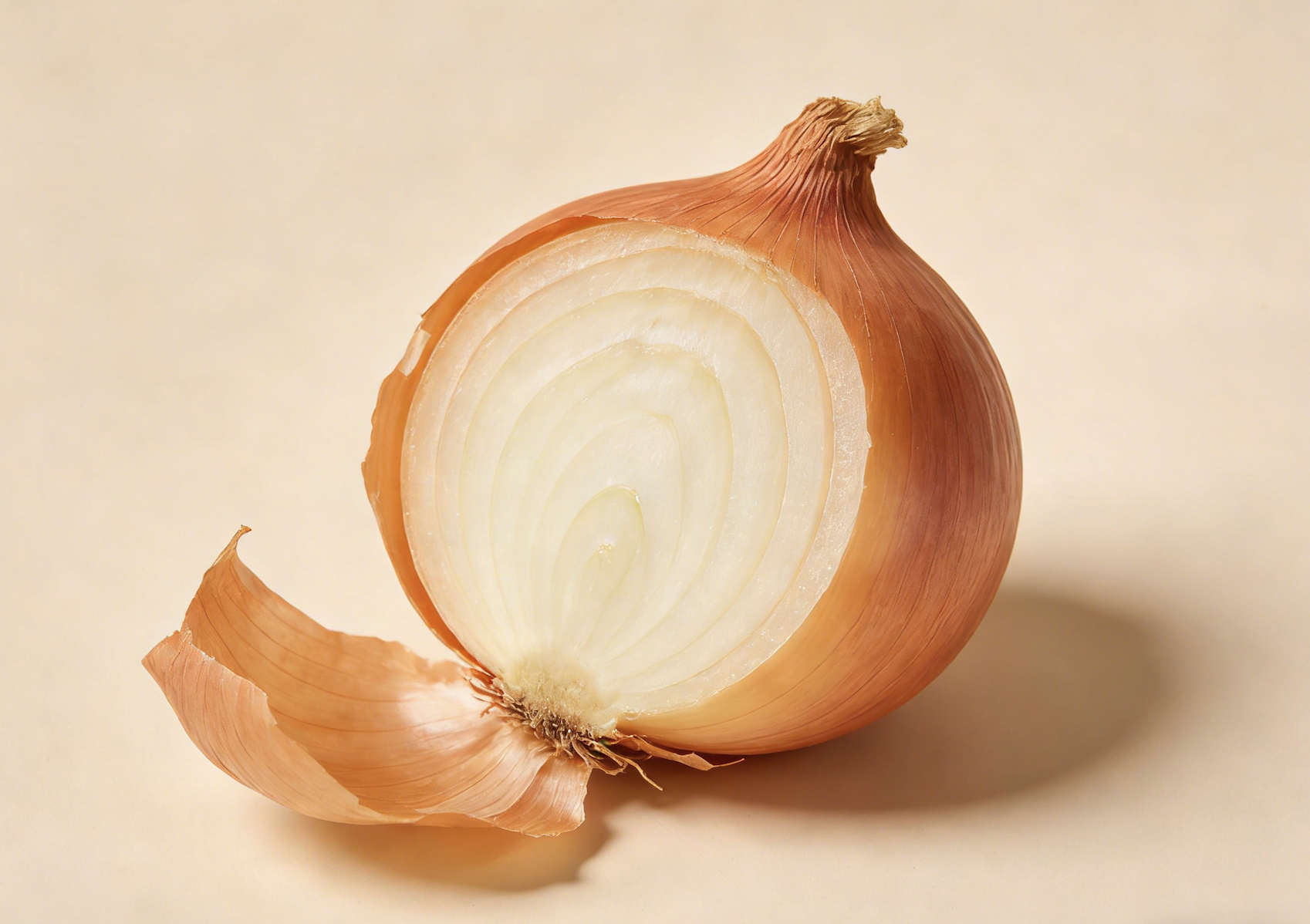
Onions and cauliflower: Two healthy vegetables and recipes for regulating blood sugar
This article details how the chromium and other nutrients abundant in onions and broccoli can effectively help regulate blood sugar levels. It also provides dietary remedies for diabetes, as well as delicious recipes such as stir-fried shrimp with onions and braised broccoli with mushrooms, offering scientific dietary choices for blood sugar management.
2026-03-07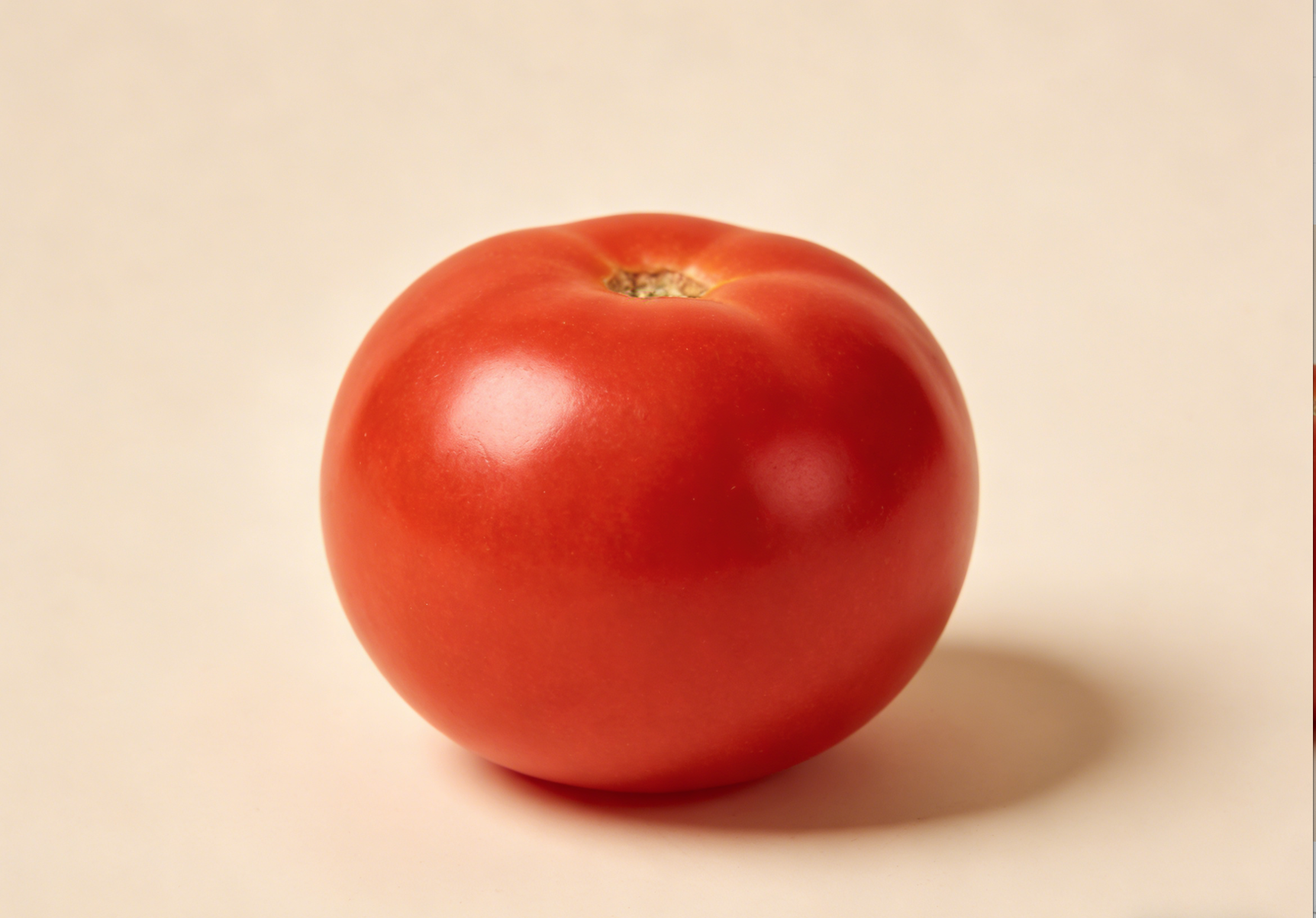
Tomatoes and soybean sprouts: Two ingredients for regulating blood pressure, blood sugar, and cholesterol, and healthy recipes.
This article details how lycopene in tomatoes and dietary fiber in soybean sprouts can help control high blood pressure, high blood sugar, and high cholesterol. It provides dietary therapy methods and healthy recipes for hypertension and diabetes, offering scientific dietary choices for your daily management of these conditions.
2026-03-05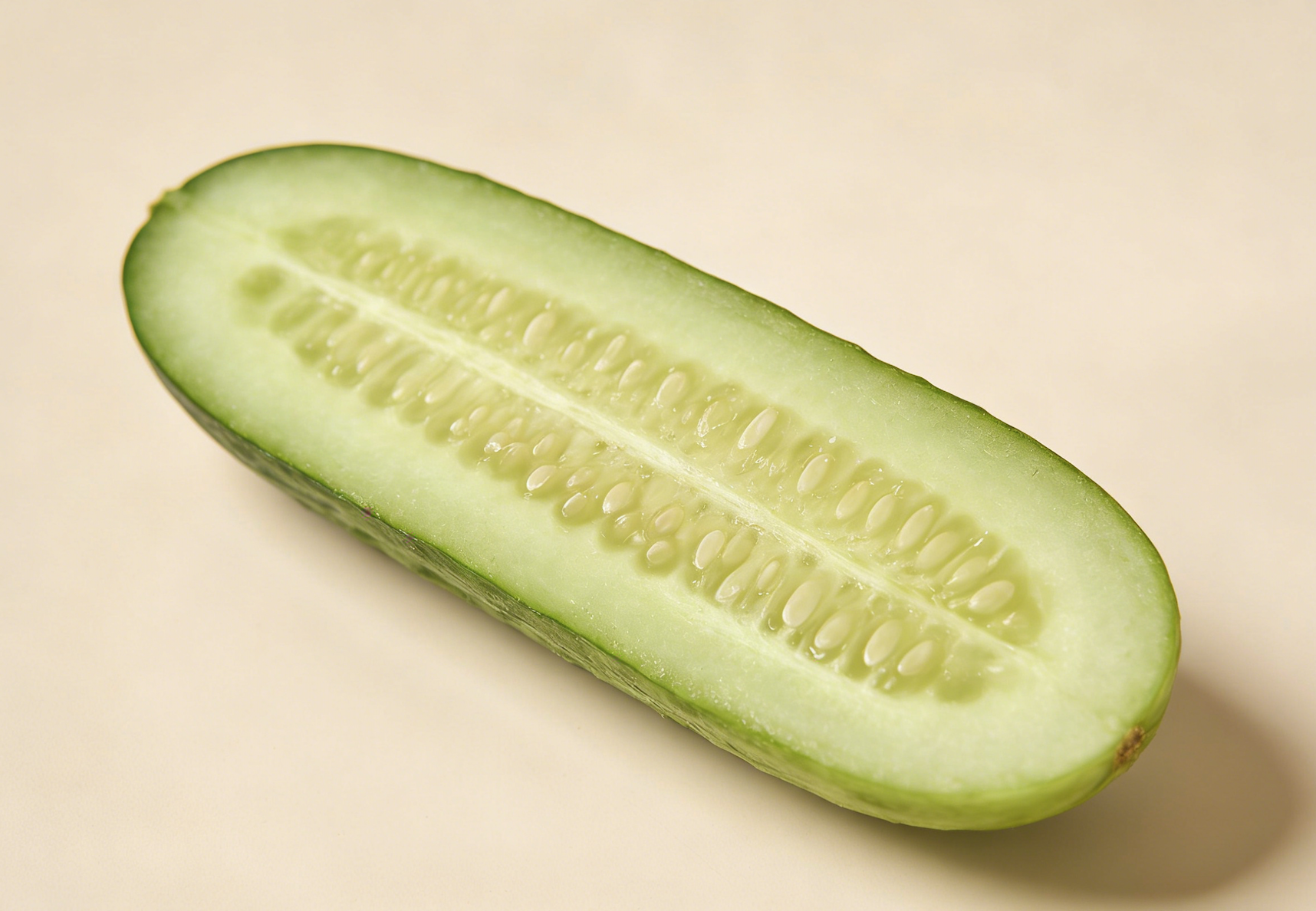
Analysis of the three major benefits of cucumber in regulating blood pressure, blood sugar, and cholesterol, and recommendations for healthy recipes.
This article details the effects of cucumbers, through their sterols and dietary fiber, on lowering cholesterol, regulating blood pressure and blood sugar, thus aiding in the management of "three highs" (hypertension, hyperlipidemia, and hyperglycemia). It also provides dietary remedies for hypertension and healthy recipes such as stir-fried cucumber blossoms with shredded chicken, offering delicious options for daily dietary management of "three highs."
2026-03-05