
Scientific management of blood lipids: a comprehensive strategy from diet to mindset
What should a person do when he knows that he has too much bad "oil" and knows that the "excess" bad "oil" is a chronic disease that will cause organic lesions such as heart and cerebrovascular disease if not treated in time?
Behavioral medicine believes that there are many things that should be done at this time, the first of which should be to “establish healthy behaviors” simultaneously with active treatment. At the first behavioral medicine conference held at Yale University on February 4, 1977, it was determined that behavioral medicine is a multidisciplinary knowledge and technique used in the diagnosis, prevention and rehabilitation of diseases. According to the World Health Organization (WHO), human health and longevity rely on 40% genetic and objective conditions and 60% on self-established lifestyle and psychological and behavioral habits. At present, some experts in China believe that health has at least the following characteristics;
1. An individual’s behavior is beneficial to himself, others, and the environment.
2. Regular diet, daily life.
3. Individual behavior is understood and accepted by others, society.
4. Moderate intensity of behavior.
5. Stable attention.
6. Mental activity and objective external unity.
7. Strong social adaptability.
8. Cheerful personality.
9. The ability to love and be loved. Overcome anxiety, fear and other emotions and correctly face the increase in bad "oil". No one wants to get sick. Once you learn that you have too much bad "oil" in your blood, you often feel anxious. For example, muscle tension, sweating, or clenching fists, or rubbing hands and feet, severe cases also increase pulse, blood pressure. The appearance of anxiety is an individual's emotional response to the harm caused by too much bad "oil". There are also people who appear fear, the emotion of fear is healthy people find themselves bad "oil" increased.
Too much bad “oil” can trigger a normal psychological response to disease. Only this emotion of anxiety, fear should subside with the production of rational emotions. If someone after treatment, the phenomenon of bad "oil" increase has disappeared, the risk factors for causing the disease have been lifted, but someone still has anxiety, fear emotions, this is unhealthy. Because the external environment has changed and people's psychology does not change, there is a psychological problem. At this time, bad "oil" is no longer the main aspect of the contradiction, psychological problems have become the main contradiction. Therefore, diseases can lead to people's psychological abnormalities, and abnormal psychology will affect and aggravate physical discomfort. Properly facing the increase in bad “oil” is a feature of mental health. Actively defending against disease, facing disease correctly, and building confidence to defeat it is a healthy mindset. When we are diagnosed with bad "oil" low-density lipoprotein increase, to go to a regular hospital for lipid-lowering treatment, do not use their own lipid-lowering, lipid-lowering drugs. Because lipid lowering and lipid regulation must be carried out under the guidance of a doctor, and one cannot follow some irresponsible publicity in advertisements and use drugs at will.
Remember: lipid-lowering drugs cannot be used indiscriminately!According to clinical observations, many people with more bad "oil" are due to improper diet or secondary diabetes. So for excess bad "oil" in principle is first diet, exercise control, ineffective then consider medication. When using medicines, attention should be paid to choosing the right symptoms according to the condition, and when taking medicines, attention should be paid to the side effects of the medicines.
Tip: Don’t be anxious and fearful when there is an increase in bad “oil” and keep your mind at peace. This is like fighting the "enemy", anxiety, fear emotions are conducive to the "enemy" but not conducive to yourself, because the war has not started, you yourself are in disarray, and use the "enemy" to hit you? Then, calm down and look for scientific, effective ways to remove the increased part of the bad "oil" and return to the normal state, and we will win this "battle". The ancients said, "Food is the first priority for the people." Eating is the top priority in life. Eating is something people do every day since birth, but living to the age of 20, 30, 40 and even 50, there are still many people who dare not admit that they will "eat". It can be seen that the word "eat" has a lot of knowledge. It is key to eat less and be able to eat, because the results of dietary psychology and physiological research show that any food that meets the taste standards formed in a certain special cultural background can stimulate the secretion of digestive juices and cause a strong appetite. For example, people in some areas like to eat fried food and food containing a lot of animal fat. With the improvement of material living standards, more and more people indulge in the "eating trade" where you treat me to eat today and I treat you tomorrow. This "eating trade" brings people not only political corruption, but also physical damage. Practice proves that controlling hyperlipidemia, eating less, will eat really is the key. If you want to eat less and know how to eat, you need to cultivate good eating habits. Bad eating habits are formed over time. So the formation of good eating habits is not a matter of one or two days. How long does it take? The formation time of good eating habits varies from person to person. The long one takes 6 months, and the short one takes about 3 months.
The principles of good eating habits are;
1. Don’t eat too many high-cholesterol foods. such as animal internal organs, caviar, kidneys, brains, and eggs.
2. Eat less animal oils, such as butter, lard, and mutton oil, because the main components of animal oils are saturated fatty acids and large amounts of cholesterol. Saturated fatty acids can accelerate the synthesis of cholesterol in the body, and eating too much can cause atherosclerosis.
3. Eat less fried foods and a light diet.
4. Food variety, coarse and fine combination.
5. Rice eat seven percent full, prevent excess calories.
6. Eat less and more meals (eat early, mainly at noon Western fast food, at night let go of the belly sea shabu eating method is not healthy).
7. Regularly eat appropriate amounts of fish, poultry, lean meat.
8. Eat more vegetables, fruits and potatoes.
9. Eat more soy products and drink a glass of milk before bed.
10. Drink moderately. For specific eating methods, please refer to the "Chinese Resident Dietary Pagoda" recommended by Chinese nutrition experts: no more than 25 grams of oil is used for stir-frying vegetables per day. Drink no less than 250 ml of milk and eat 50 grams of soy products per day. Eat 50~100 grams of meat, 50 grams of fish and shrimp, and 25~50 grams of eggs every day. Eat 400~500 grams of vegetables, 100~200 grams of fruits, various varieties every day. Wheat, rice, corn, sorghum and other food crops eaten every day should be coarse and fine, with many varieties.
Increased blood lipids, in addition to genetic factors, are caused by eating on the one hand and too little exercise on the other. Therefore, to control high blood lipids, we must eat less and know how to eat, combined with exercise, so as to effectively reduce the increased blood lipids.

Core blood glucose management for preventing diabetic ketoacidosis and cerebrovascular disease
This article details methods for preventing two serious complications of diabetes—diabetic ketoacidosis and cerebrovascular disease. The core principle is strict blood glucose management, avoiding arbitrary discontinuation of medication, and intensified monitoring. By stabilizing blood glucose levels, combined with blood pressure and lipid control, and maintaining healthy lifestyle habits, the risk of complications can be effectively reduced.
2026-03-10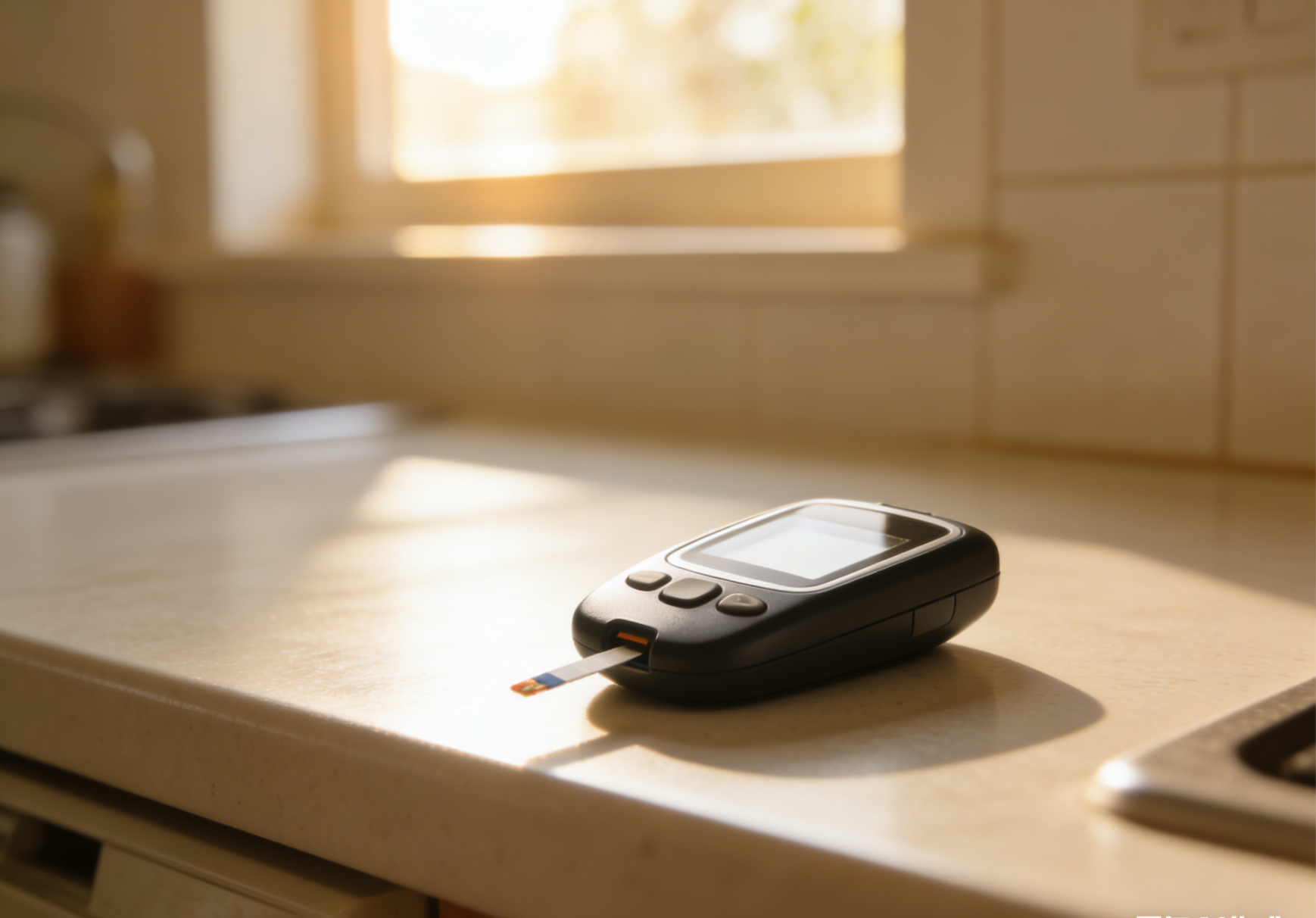
Understanding Misconceptions about High Blood Sugar: A Scientific Explanation of the Relationship Between Blood Sugar and Diabetes
This article aims to clarify common misconceptions about hyperglycemia and diabetes, including diagnostic criteria, comprehensive treatment, and dietary guidelines. It emphasizes the importance of scientifically managing blood sugar, highlighting that simply lowering blood sugar is insufficient to prevent complications, and provides practical advice, such as recommendations regarding fruit consumption, to help readers achieve long-term, stable blood sugar control.
2026-03-10
A comprehensive guide to treating hypertension in women: Blood pressure management from menstruation to menopause.
This article details the characteristics and treatment of hypertension in women, covering blood pressure management strategies during key stages such as menstruation, pregnancy, and menopause. It focuses on analyzing the causes of blood pressure fluctuations during different physiological stages and provides targeted treatment and lifestyle recommendations to help female readers achieve long-term, stable blood pressure control and protect their cardiovascular health.
2026-03-10