
Contraindications for drug combinations in diabetic patients: Scientific use of medication to stabilize blood sugar
Unscientific Drug Combinations Should Be Avoided: Diabetes is a disease caused by an absolute or relative deficiency of insulin in the body, leading to disordered glucose metabolism. Dietary therapy should be the first-line treatment. If the condition does not improve, drug therapy is necessary. Insulin injections and oral hypoglycemic agents such as methimazole (D860), glibenclamide, chlorpromazine, and chlorpropamide are commonly used medications. When using hypoglycemic drugs, it is important to avoid certain medications, as this can not only reduce their effectiveness but also endanger life.
Some drugs themselves have the effect of raising blood sugar. For example, prednisone, triamcinolone, dexamethasone, and betamethasone can all increase liver glycogen and reduce tissue utilization and breakdown of glucose, thus raising blood sugar. If these are used in combination with oral hypoglycemic agents, they will antagonize each other, reducing the efficacy of the hypoglycemic agents. Other drugs such as furosemide and hydrochlorothiazide can inhibit insulin secretion, causing blood sugar to rise. Furthermore, chlorpromazine, perphenazine, thiamethoxam, promethazine, and thyroid-stimulating hormone have similar effects and therefore should not be used in combination with medications for treating diabetes. Other medications, such as progesterone, estrogen, and oral contraceptives, can reduce the effectiveness of hypoglycemic drugs.
Furthermore, some medications, when taken concurrently with oral hypoglycemic agents or insulin, can interfere with each other, affecting efficacy and potentially causing toxic reactions. For example, when toluidine is used with isoniazid or rifampin, the latter increases the amount of drug-metabolizing enzymes secreted by the liver, accelerating the metabolism of the former, which is highly detrimental to diabetes treatment. Similarly, when insulin is used with reserpine, the latter can enhance the effect of the former, causing hypoglycemia. Furthermore, the activity of drug-metabolizing enzymes in the liver can be inhibited by chloramphenicol, slowing the metabolism of oral hypoglycemic agents and causing hypoglycemia. When glibenclamide is used with propranolol, the former becomes stronger and faster-acting, while the latter, while stimulating insulin secretion, can mask signs of hypoglycemia such as increased heart rate; therefore, they should not be taken together. Additionally, the combined use of glibenclamide, insulin, toluidine, chlorpropamide, and the anticoagulant dicumarol can easily cause bleeding and may lead to hypoglycemia. Furthermore, the combined use of insulin, glibenclamide, tolbutamide, and aspirin can slow down the metabolism and excretion of hypoglycemic drugs. Since aspirin itself also has a hypoglycemic effect, hypoglycemic coma may occur. The combined use of chlorpropamide, tolbutamide, phenylbutazone, etc., can inhibit the metabolism of hypoglycemic drugs, causing acute hypoglycemic reactions. Gentamicin, kanamycin, etc., when used with glibenclamide, can produce large amounts of lactic acid, endangering life.
It is worth noting that alcohol should be avoided when taking medication: Excessive alcohol consumption is detrimental to the health of healthy individuals; for diabetic patients taking medication, excessive alcohol consumption can inhibit the activity of drug-metabolizing enzymes, hindering the metabolism of insulin and oral hypoglycemic drugs, causing severe hypoglycemia, and potentially death. Small, frequent drinks can promote the secretion of drug-metabolizing enzymes in the liver, accelerating the metabolism of hypoglycemic drugs and reducing their efficacy.

Does elevated triglyceride level require treatment? A tiered management plan for dyslipidemia.
This article analyzes the dangers, causes, and graded treatment options for elevated triglycerides. It provides scientific guidance on lipid management, from lifestyle adjustments to medication selection (such as statins and fibrates), to help control lipid levels, for different degrees of dyslipidemia.
2026-03-08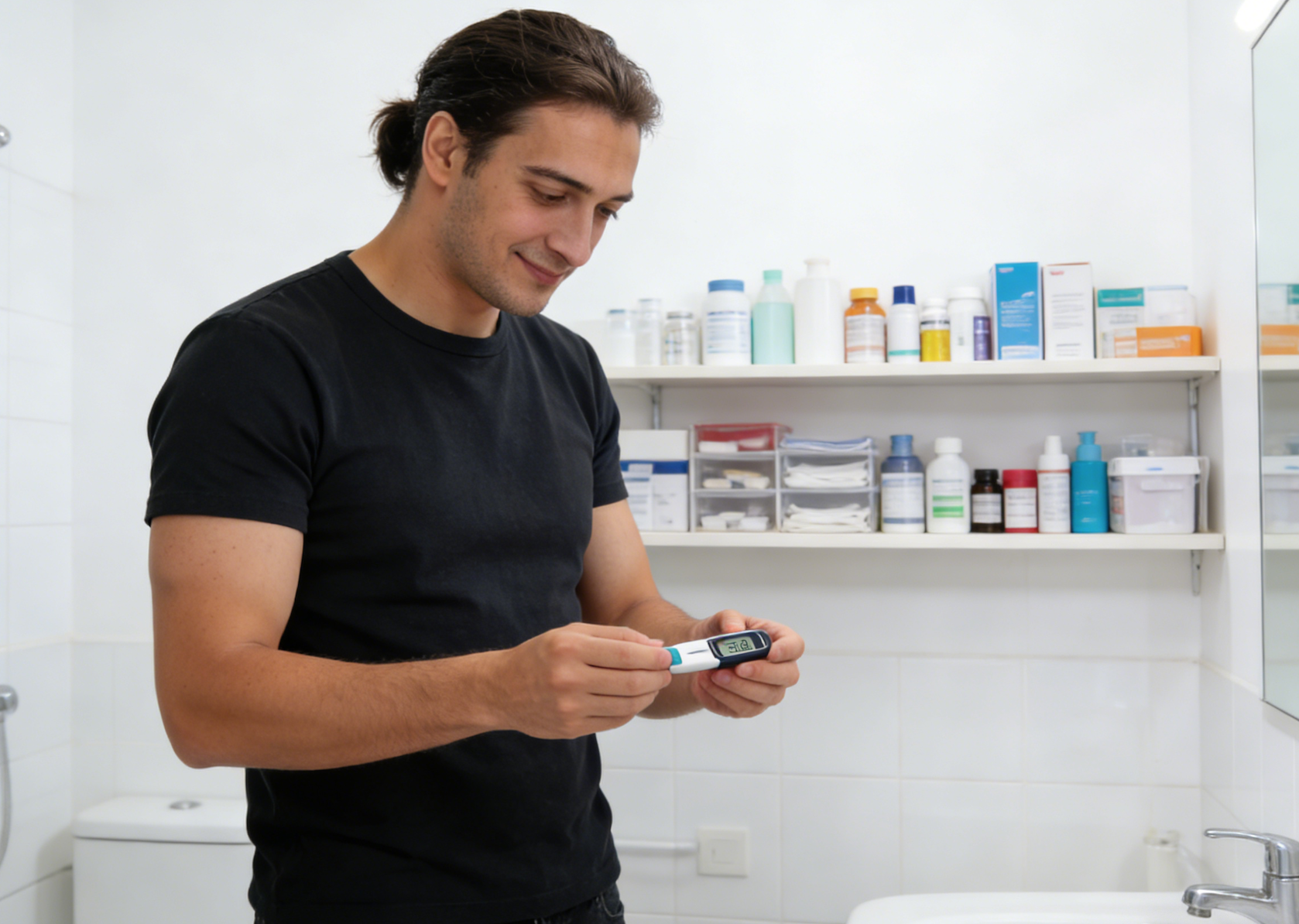
Diabetes Diagnosis and Monitoring: Detailed Explanation of Six Key Blood Glucose Tests
This article details six key tests that diabetic patients should undergo, including fasting blood glucose, postprandial blood glucose, and glycated hemoglobin (HbA1c). These tests help to comprehensively assess blood glucose levels and are important bases for diagnosing diabetes and developing effective blood glucose control plans.
2026-03-08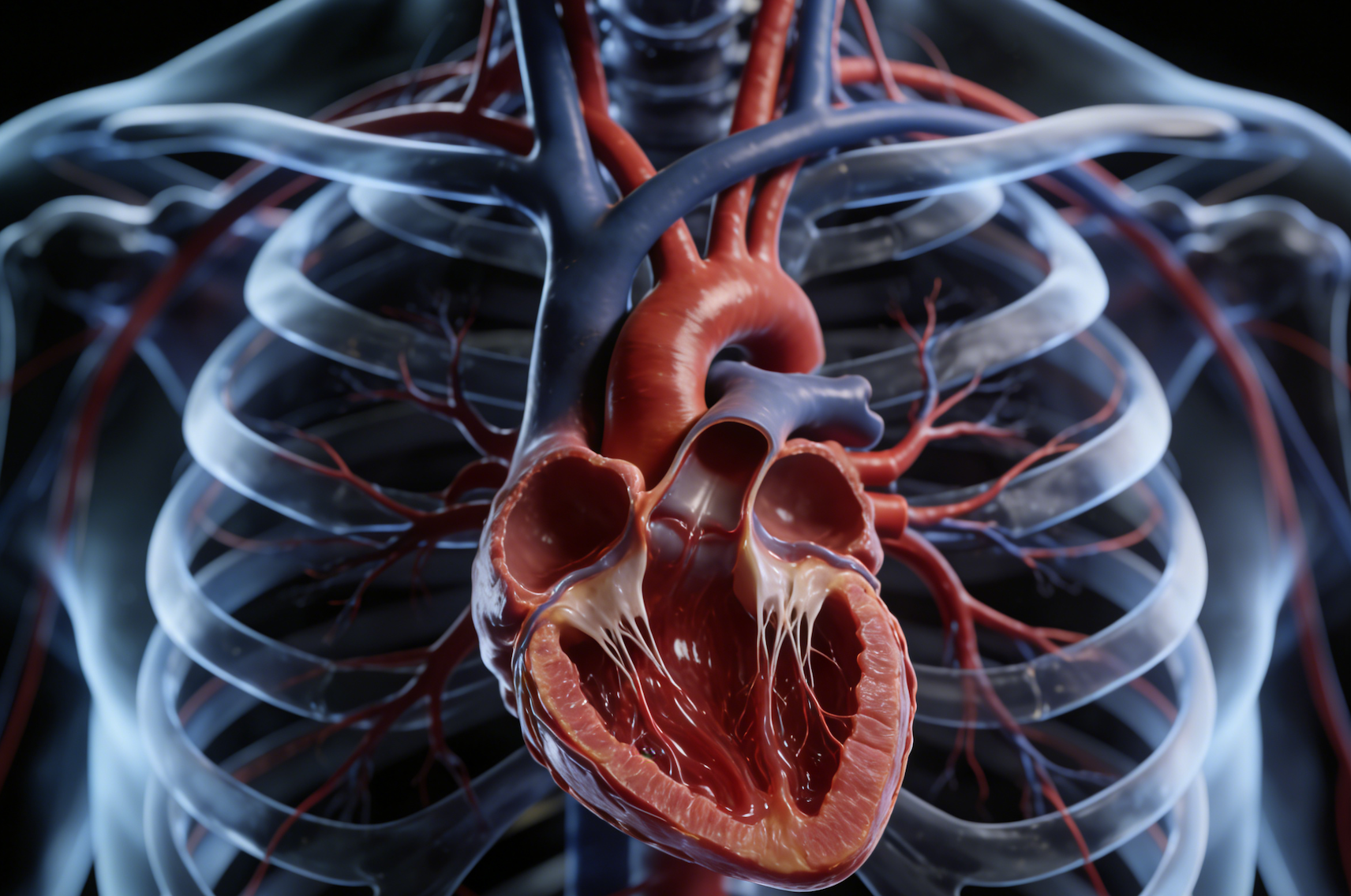
Detailed Explanation of Heart Structure and Corresponding Examination Methods: From Myocardium to Coronary Arteries
This article explains the harm of smoking to the heart and provides a detailed analysis of the three main components of the heart—the myocardium, coronary arteries, and electrical conduction system—as well as their corresponding specialized examination methods, such as echocardiography, coronary CT angiography, and electrocardiogram, to help readers understand cardiac examination procedures.
2026-02-26