
A Comprehensive Analysis of Diabetes Types: Blood Glucose Management from Type 1 to Pregnancy
Classification of Diabetes:
Types of diabetes include: Type 1 diabetes, Type 2 diabetes, gestational diabetes, and other types of diabetes.
Type 1 Diabetes: Also known as juvenile-onset diabetes. This is because it often develops before the age of 35 and accounts for less than 10% of all diabetes cases. Type 1 diabetes requires insulin treatment, meaning patients need insulin therapy from the onset of the disease and cannot stop using it for life. This is because the pancreatic cells that produce insulin in patients with type 1 diabetes are completely damaged, thus losing their ability to produce insulin. Insulin deficiency leads to persistently high blood sugar levels, resulting in diabetes.
Type 2 Diabetes: Also known as adult-onset diabetes, it mostly develops after the age of 35-40 and accounts for more than 90% of diabetes cases. Patients with type 2 diabetes do not completely lose their ability to produce insulin; some even produce too much insulin, but the effectiveness of insulin is greatly reduced. Therefore, these patients are in a state of relative insulin deficiency. These patients can stimulate insulin secretion with certain oral medications, but some still require insulin therapy like those with type 1 diabetes in later stages.
Gestational Diabetes Mellitus (GDM)
Gestational diabetes mellitus refers to diabetes that develops in women during pregnancy. Clinical data shows that 2% to 3% of women develop diabetes during pregnancy, and the diabetes usually resolves spontaneously after conception. Gestational diabetes is more likely to occur in obese women and older mothers, and nearly 30% of cases may develop into type 2 diabetes later in life.
Other Types of Diabetes
Other types of diabetes include a range of diabetes with relatively clear causes or secondary causes; these are relatively rare.
Clinical Manifestations of Diabetes
Early-stage diabetes often presents with no obvious symptoms and is only detected through blood and urine tests. The following typical symptoms usually indicate that the disease has progressed to the middle or late stages:
Thirst and Frequent Urination
When the kidneys attempt to excrete sugar from the blood, increased urination frequency and volume result in foamy urine with a sweet and sour odor. Increased urination leads to dehydration, causing dry mouth and requiring frequent fluid intake. Sometimes, extreme thirst may occur at night, leading to waking up to drink water.
Excessive Hunger:Because the body cannot convert glucose into energy, it lacks the energy necessary to maintain basic functions, leading to frequent hunger and increased appetite.
Weight Loss:Most glucose is excreted in urine, and tissue cells cannot utilize and store energy. Despite increased food intake, patients experience weight loss.
Fatigue: Even without physical labor or exercise, patients often experience unexplained fatigue, weakness, lethargy, dizziness, drowsiness, and lower back and leg pain.
Other Symptoms:High blood sugar can cause symptoms such as itchy skin, decreased vision, menstrual irregularities in women, and impotence in men.

Management of hyperlipidemia medication: Avoid two major taboos: blindly adjusting medication and arbitrarily stopping medication.
This article reminds patients with high cholesterol to avoid two major taboos when taking medication: Do not blindly increase or decrease the dosage or stop medication arbitrarily due to mild or no symptoms, as this may lead to liver and kidney damage or increase the risk of sudden cardiovascular and cerebrovascular events. It emphasizes that scientific medication use under the guidance of a doctor and regular monitoring are key to managing cholesterol and ensuring medication safety.
2026-03-05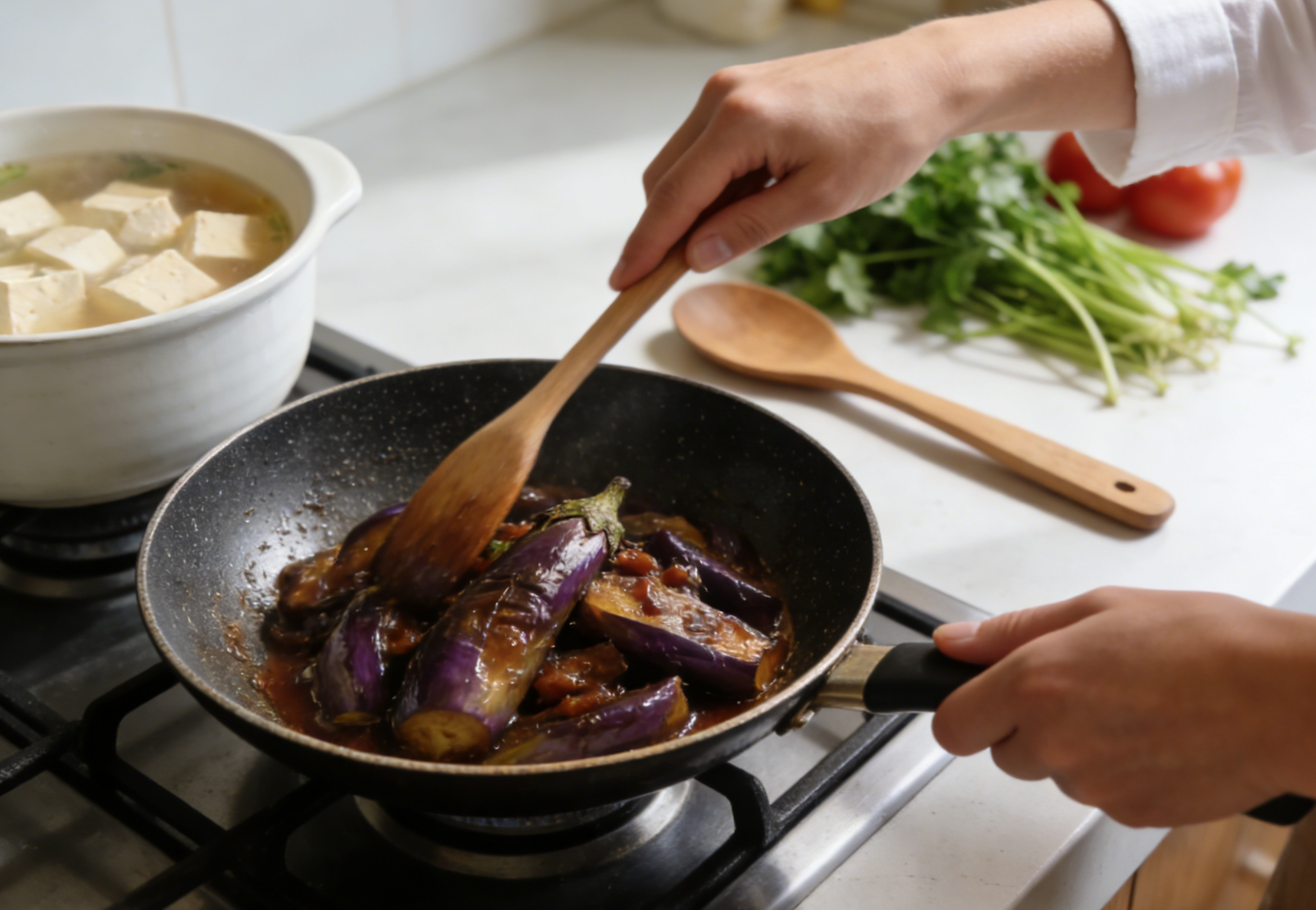
Essential for people with high cholesterol: Four cholesterol-lowering recipes and detailed cooking instructions
This article selects four healthy recipes for patients with high cholesterol, detailing their cooking methods and their effects in helping to lower cholesterol. Understanding how to scientifically manage cholesterol levels through daily diet, such as consuming tofu and eggplant, is an important way to control cholesterol and improve health.
2026-03-05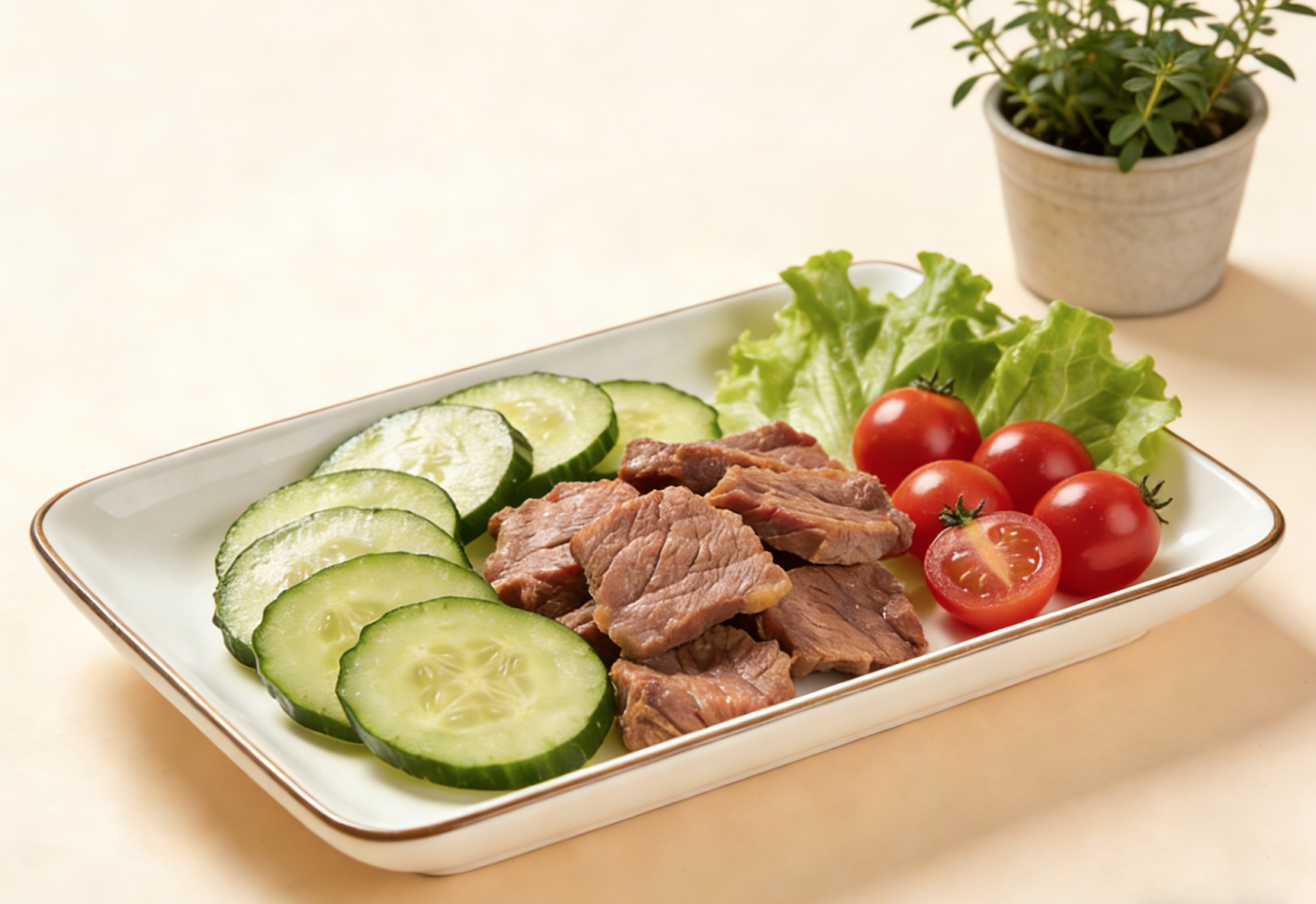
Five easy-to-make recipes and cooking methods for lowering cholesterol in patients with high blood lipids
This article provides five easy-to-make recipes for lowering cholesterol in individuals with high blood lipids, detailing the preparation of dishes such as perilla sardines and cold spinach and oyster salad, and their benefits for blood lipids. Understanding these healthy cooking methods can help improve blood lipid levels through daily diet and achieve scientific management.
2026-03-06