
Dietary Guidelines for Patients with Hyperglycemia: Key Foods to Eat and Principles to Avoid
Dietary Recommendations: The main pathogenesis of hyperglycemia lies in dryness and heat damaging Yin, primarily affecting the lungs, stomach, and kidneys. Traditional Chinese medicine (TCM) treatment principles focus on clearing heat, nourishing Yin, moistening dryness, and generating fluids. Clinically, based on syndrome differentiation, methods such as clearing heat and moistening the lungs, generating fluids and quenching thirst, clearing stomach fire, nourishing Yin and generating fluids, and nourishing the kidneys and warming Yang are used, supplemented with qi-tonifying, astringent, warming Yang, and blood-activating herbs according to the specific symptoms. The selection of medicinal herbs for dietary therapy also follows this principle, with an emphasis on sweet and cold or sweet and cool foods. Raw, cold, fatty, sweet, rich, and sugary foods, as well as spicy, dry, and stimulating foods, should be avoided.
Patients with hyperglycemia should control their diet, and obese individuals should lose weight. A normal diet should consist mainly of corn, millet, bran, beans, and leafy green vegetables. It is also beneficial to eat more white radish, eggplant, celery, tomatoes, Chinese cabbage, spinach, pumpkin, winter melon, onions, yams, mushrooms, tofu, soft-shelled turtle, eel, and oily meat broth and chicken soup. Limit rice, noodles, sweet potatoes, potatoes, and foods high in sugar such as carrots, taro, peas, garlic sprouts, and honey.
(1) Rationally control total calories. The total calorie intake for patients with hyperglycemia should be aimed at maintaining a healthy weight.
(2) Carbohydrate intake should not be strictly controlled.
(3) Reduce fat intake. Generally, a daily fat intake exceeding 100 grams is considered a high-fat diet, while less than 50 grams is considered a low-fat diet.
(4) Ensure adequate protein intake. The protein intake in the diet of patients with hyperglycemia should generally be equivalent to or slightly higher than that of normal individuals, accounting for approximately 12% to 30% of total calories. (5) Patients with hyperglycemia should ensure adequate vitamin intake, especially vitamin B.
(6) Hyperglycemia patients should limit sodium intake, as a high-sodium diet easily leads to hypertension and arteriosclerosis. When hyperglycemia is poorly controlled, various infections and ketoacidosis are more likely to occur; therefore, it is important to regularly supplement with appropriate amounts of inorganic salts and trace elements.
(7) The recommended daily intake of dietary fiber for hyperglycemia patients is 12-20 grams.
Dietary Restrictions:
(1) Avoid overeating.
(2) Avoid spicy foods.
(3) Avoid simple sugar foods.
(4) Avoid high-fat foods.
(5) Avoid excessive alcohol consumption and smoking.
(6) Be cautious when eating fruit.
(7) Avoid foods high in starch.
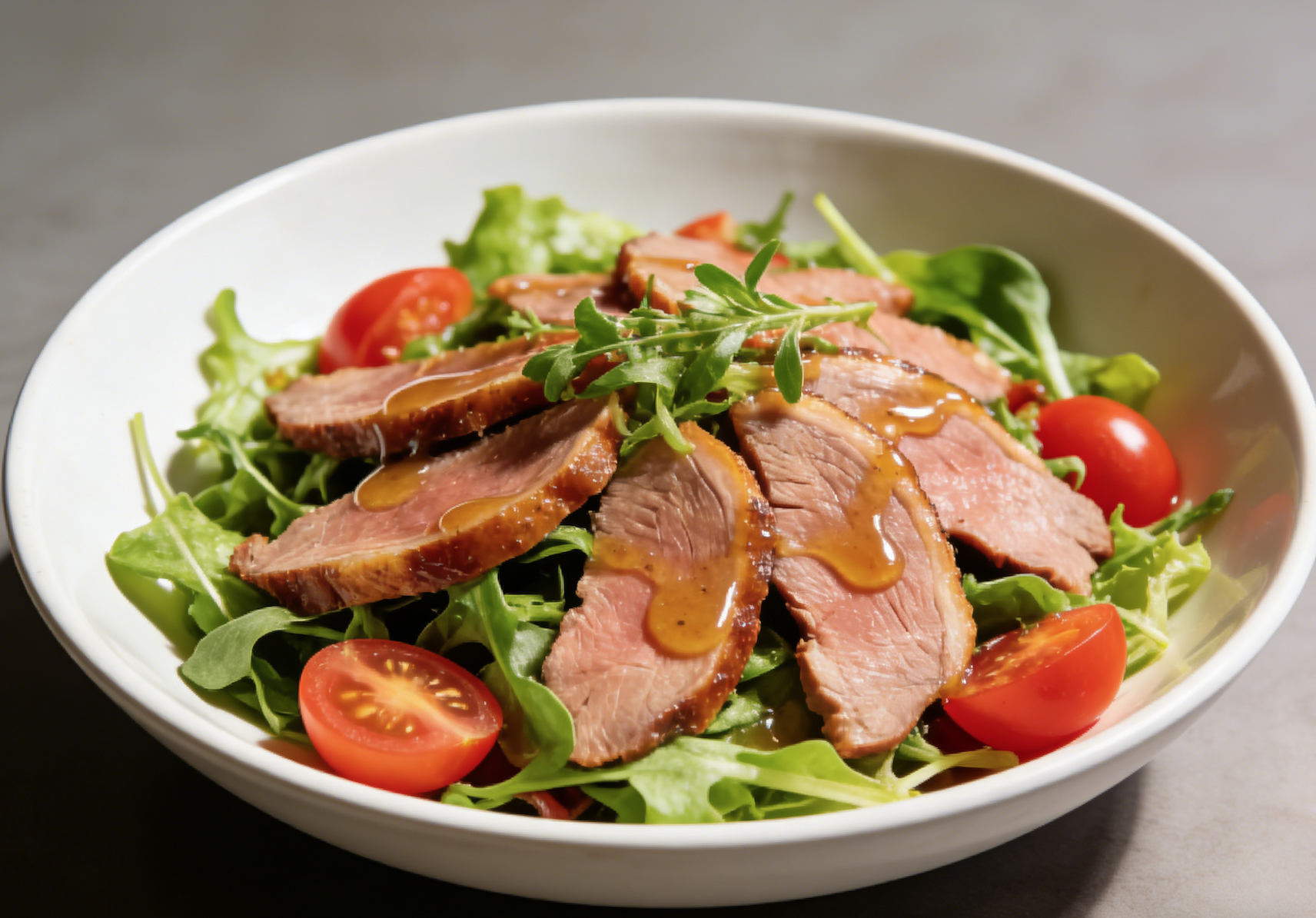
Peanuts and duck meat help regulate blood pressure, blood sugar, and cholesterol: Analysis of their effects and recommended healthy recipes.
This article details how the unsaturated fatty acids and resveratrol in peanuts help lower cholesterol and regulate blood sugar, and why the unsaturated fatty acids in duck meat are suitable for people with hypertension, hyperlipidemia, and hyperglycemia. It also provides dietary remedies for hypertension and healthy recipes such as walnut, peanut, and milk soup, offering dietary guidance for the scientific management of these conditions.
2026-03-07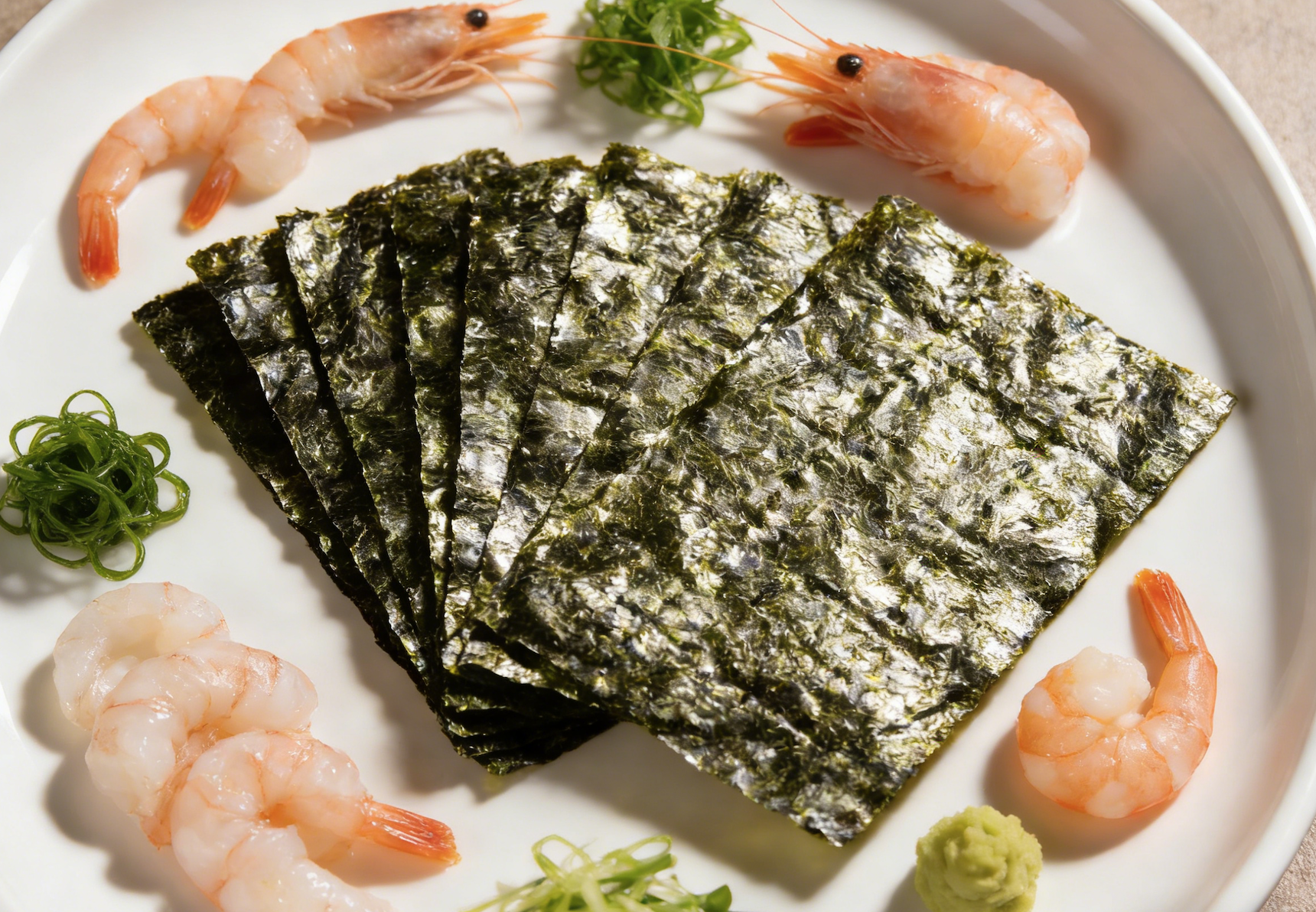
Analysis of seaweed's effects on regulating blood pressure, blood sugar, and cholesterol: Blood sugar reduction and two healthy recipes.
This article details how seaweed, through its polysaccharides, magnesium, and taurine, can effectively lower blood sugar and blood viscosity, thus helping to regulate the "three highs" (high blood pressure, high blood sugar, and high cholesterol). It provides dietary remedies for hypertension and healthy recipes such as seaweed and sea cucumber soup, offering dietary guidance for people with these conditions.
2026-03-07
Chest pain has various causes and requires differentiation: An analysis from angina to aortic dissection
This article analyzes the different causes of chest pain, including angina, myocardial infarction, and aortic dissection, emphasizing the dangers of blindly using medication and helping readers correctly identify the type of chest pain and seek medical attention in a timely manner.
2026-03-08