
Three major dietary restrictions for people with high blood sugar: cooking methods, nutrition, and sugar-free foods.
Dietary Recommendations for People with High Blood Sugar
Avoid Improper Cooking Methods: Research shows that cooking methods affect blood sugar levels. Specifically, the more watery and soft the food, the faster and more fully it is digested and absorbed, naturally leading to higher blood sugar. For example, 100 grams of rice cooked into a thin porridge has a greater impact on blood sugar than 100 grams of rice cooked as a dry meal. Therefore, improper cooking methods are not recommended for diabetic patients.
Avoid Nutritional Deficiency: Animal experiments have shown that chronic malnutrition, especially insufficient protein intake, can initially cause hypersecretion of β-cells followed by gradual functional decline. The decrease in the number of β-cells is directly proportional to the duration of malnutrition. Experts believe this is because the lack of essential amino acids affects the regeneration and replication of β-cells, resulting in functional failure and inducing diabetes. Furthermore, nutritional deficiencies impair the liver's detoxification function, exacerbating the damage to β-cells from certain food toxins, while vitamin deficiencies further reduce β-cell function. Therefore, severe nutritional deficiencies and protein deficiency can lower the body's resistance. This creates an opportunity for viral infection, triggering autoimmune pancreatitis and destroying beta cells, leading to diabetes. Clinically observed type 1 diabetes and diabetes secondary to hepatitis are related to the above reasons.
At least for now, it is certain that malnutrition can cause genetic factors to manifest in some diabetic patients. Therefore, malnutrition should be given the same high attention as overnutrition to reduce the incidence of certain types of diabetes.
Avoid indiscriminate consumption of sugar-free foods: As the number of diabetic patients increases, people are becoming more aware of the dangers of diabetes. At the same time, various sugar-free foods produced specifically for diabetic patients have appeared on the market. Sugar-free chewing gum, sugar-free cereal, and similar sugar-free foods are very popular among diabetic patients and obese consumers.
According to relevant regulations, sugar-free foods generally refer to sweet foods that do not contain sucrose (cane sugar and beet sugar), glucose, maltose, fructose, etc., but only sugar alcohols (including xylitol, sorbitol, maltitol, mannitol) and oligosaccharides as sugar substitutes. Therefore, the production of sugar-free foods must adhere to the standard of "sugar-free." Such foods should not cause a rise in blood sugar for diabetic patients. However, on the one hand, some "sugar-free foods" clearly state "no sucrose" on their packaging, but their ingredient lists include "maltose." On the other hand, because there are currently no national or industry standards for sugar-free foods, each manufacturer produces according to its own company standards, leading to many companies having irregular or incorrect labeling of sweeteners.
For example, many popular so-called "sugar-free foods" and "blood sugar-lowering foods" on the market only vaguely use terms like "sweetener," "compound sweetener," and "protein sugar" on their labels, without specifying the actual chemical names of the sweeteners. During spot checks, relevant departments discovered that the so-called "protein sugar" was actually a mixture of saccharin and sugar.
The China Consumers Association once conducted sampling tests on the additives in eight categories of food sold in the Beijing market, including sugar-free foods. The results showed that out of 14 sugar-free foods tested, 5 contained sodium saccharin, 2 contained cyclamate, and 3 contained both sodium saccharin and cyclamate. The highest sodium saccharin content was 4019.61 mg/kg, and the cyclamate content was 3882.78 mg/kg. For diabetic patients, consuming these so-called "sugar-free foods" will only lead to elevated blood sugar and a worsening of their condition.
Experts advise that diabetic patients must carefully read the ingredient list when purchasing and consuming sugar-free foods to understand what sweeteners are used as sugar substitutes. They should also recognize that sugar-free foods can never replace the therapeutic effects of medication, and should not believe claims about blood sugar-lowering effects made by sugar-free foods.

Analysis of the three core characteristics of health supplements: a balance of safety and functionality
This article provides a detailed analysis of the three core characteristics of health supplements, emphasizing their safety, functionality, and suitability for specific populations as special foods. Health supplements cannot replace medicines; a correct understanding of their characteristics helps in the scientific selection and use of supplements, enabling targeted health management.
2026-03-09
Analysis of symptoms of elevated blood pressure, screening populations, and patterns of blood pressure fluctuations
This article analyzes the possible symptoms of elevated blood pressure, identifies the groups of people who need to monitor their blood pressure closely, and explains why blood pressure fluctuates and its diurnal variation. It helps you scientifically understand blood pressure changes and manage your health in a timely manner.
2026-03-12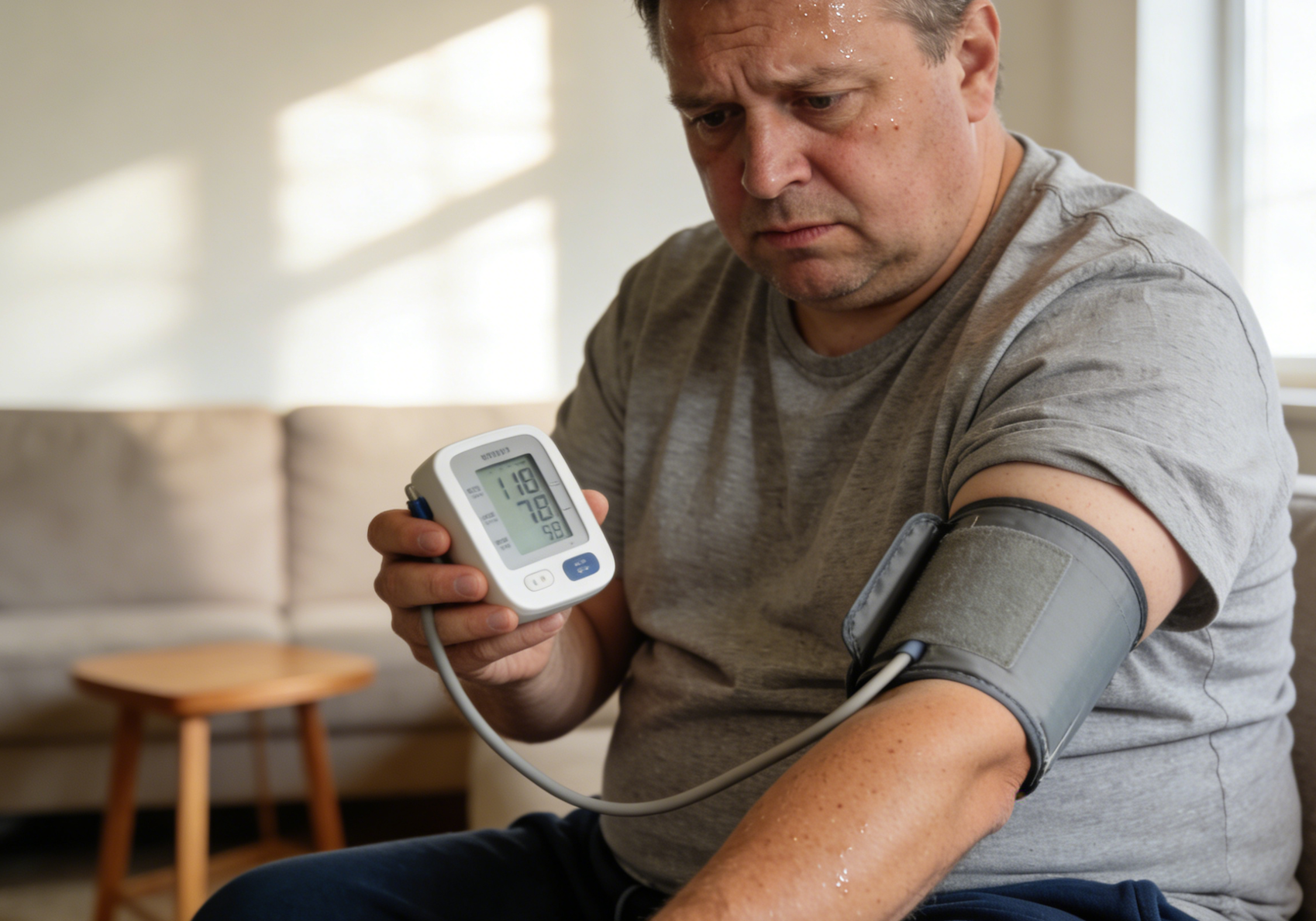
How to accurately measure blood pressure: Detailed explanation of blood pressure monitor selection and precautions.
This article details how to choose a more accurate blood pressure monitor and outlines key precautions and correct procedures. Mastering these methods will help you obtain accurate blood pressure readings, providing a reliable basis for health management.
2026-03-12