
Five easy-to-make recipes and cooking methods for lowering cholesterol in patients with high blood lipids
Healthy Recipes for Patients with Hyperlipidemia:
1. Perilla Sardines
Ingredients: 20g small sardines, 40g onions, 20g carrots, 1 cucumber, 4-5 perilla leaves, 50g flour, 20ml vinegar, a pinch of salt, 50ml salad oil, 1 liter of wine, 10ml lemon juice.
Instructions:
① Remove the heads and intestines from the sardines, wash them, coat them with flour, and deep-fry until golden brown.
② Slice the carrots and cucumbers thinly.
③ Marinate the onions, carrots, and cucumbers in a sauce made with vinegar, lemon juice, salad oil, wine, and salt for a while.
④ Wash the perilla leaves, drain them, and shred them. Sprinkle them over the fried sardines, arrange them neatly, and pour over the prepared sauce and vegetables.
Efficacy and Indications: Perilla leaves not only promote appetite but also contain perillaldehyde, which has antibacterial properties and can inhibit the growth of Staphylococcus aureus.
2. Spinach and Oyster Salad
Ingredients: 150g spinach, 150g oysters, 30g walnuts, 20ml cooking wine, 20ml soy sauce, 1 large cup stock, 10ml vinegar, 5ml sesame oil, ginger slices to taste.
Instructions:
① Wash the spinach, blanch it briefly in salted boiling water, drain.
② Wash the oysters with salt water and drain.
③ In a pot, combine ginger slices, cooking wine, and soy sauce. Bring to a boil, add the oysters and cook briefly. Transfer to a plate.
④ Crush the walnuts.
⑤ Mix sugar, soy sauce, and vinegar into the stock mixture to make a dressing. Pour the dressing over the spinach and oysters, mix well, add the walnuts, and drizzle with sesame oil.
Benefits: Oysters are rich in calcium, protein, fat, and taurine, which can prevent cholesterol buildup in the blood and prevent arteriosclerosis.
3. Beef and Vermicelli Soup
Ingredients: 100g beef, 80g vermicelli, salt to taste, cooking wine to taste, cornstarch to taste, MSG to taste, sesame oil to taste.
Instructions:
① Slice the beef thinly and marinate with cornstarch, cooking wine, salt, and MSG. Soak the vermicelli in boiling water until softened.
② Bring water to a boil in a pot. Add the beef slices, cover, and simmer briefly. Add the vermicelli, cover again, and cook for about 5 minutes. Uncover, add salt and MSG, bring to a boil again, and pour into a soup bowl. Drizzle with sesame oil before serving. Efficacy and Indications: Beef, sweet in taste and neutral in nature, has the effects of tonifying the spleen, nourishing qi and blood, and invigorating muscles and bones. It is mainly used to treat chronic diarrhea due to spleen deficiency, physical weakness, soreness and weakness of the lower back and knees, edema, and constipation.
4. Braised Beef with Vegetables
Ingredients: 150g beef, 3 tablespoons vegetable oil, 1 tablespoon sesame oil, 300g kale, appropriate amount of starch, 1 teaspoon minced garlic, 1 tablespoon sugar.
Instructions: ① Slice the beef and cut the kale into sections.
② Add 1 tablespoon of oil to boiling water, blanch the kale until cooked, drain, and plate.
③ Sauté minced garlic in 2 tablespoons of oil until fragrant, add beef slices and stir-fry until half-cooked. Stir in a thickened sauce made of cornstarch, sugar, and sesame oil, cook until thoroughly thickened, and pour over the kale.
Efficacy and Indications: This dish nourishes the spleen and stomach, replenishes qi and blood, and strengthens muscles and bones. Beef is high in protein and contains many essential amino acids, while being low in fat, making it suitable for those with arteriosclerosis, coronary heart disease, and diabetes. For human consumption, it has a certain auxiliary therapeutic effect on diarrhea, rectal swelling, edema, and weakness of muscles and bones caused by spleen and stomach weakness, as well as weakness of limbs caused by deficiency of essence and blood.
5. Beef and Cucumber Ingredients: 150g cucumber, 250g cooked beef, 25g onion, 75ml red wine, 50g tomato sauce, appropriate amount of chopped celery, appropriate amount of vegetable oil, appropriate amount of broth, appropriate amount of salt, appropriate amount of pepper.
Preparation Method: ① Slice the beef; wash the cucumber and onion, peel the onion into balls, and slice the cucumber...
② Heat vegetable oil in a wok, stir-fry the cooked beef slices, add tomato sauce, red wine, broth, and onion balls, simmer until flavorful, then add cucumber pieces, season with salt and pepper, simmer briefly, sprinkle with a little chopped celery, and serve.
Efficacy and Indications: Beef is delicious and nutritious, mainly containing protein, vitamins, and inorganic salts. Cucumber is very low in calories.
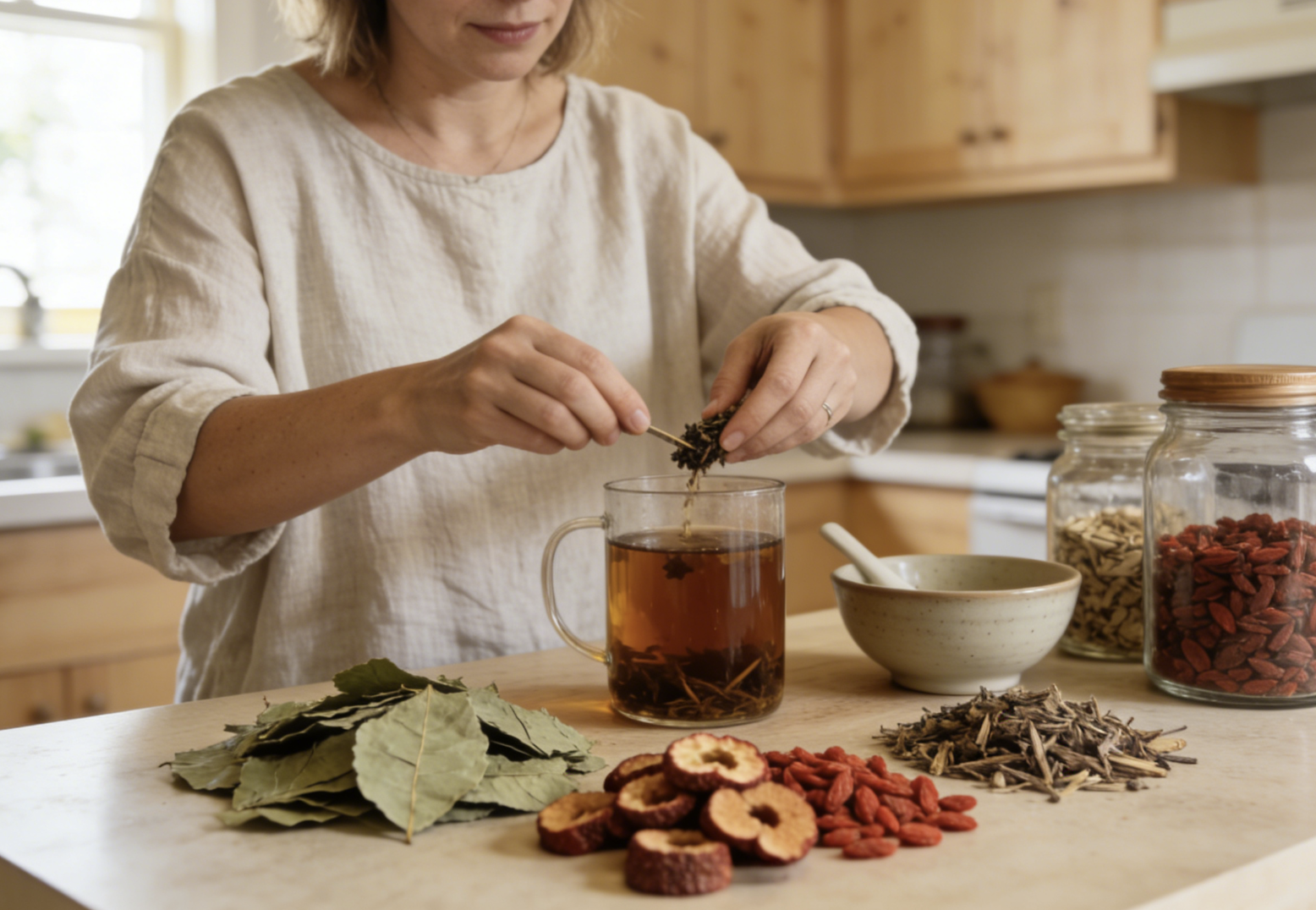
Weight Loss and Blood Pressure Regulation: A Guide to the Efficacy and Application of Commonly Used Traditional Chinese Medicines for Lowering Blood Pressure
This article details how traditional Chinese medicines such as Scutellaria baicalensis, Apocynum venetum, and Uncaria rhynchophylla gently regulate blood pressure while aiding in weight loss. Scientific combinations of these herbs can achieve simultaneous weight loss and stable blood pressure and lipid reduction.
2026-03-16
Avoiding the Threat of "Three Highs": In-depth Identification of Sub-health Status and its Environmental Causes
This article, the first in a series, systematically introduces the definition of sub-health and its essence as an "intermediate state" between health and disease. By analyzing the correlation between symptoms of hypertension, hyperlipidemia, and hyperglycemia (the "three highs") and sub-health, it reveals the impact of environmental degradation and complex social environments on human homeostasis. The article emphasizes the importance of timely recovery from a sub-healthy state, providing theoretical guidance for modern people to recognize "yellow card" signals from their bodies.
2026-03-24
Hidden Dangers of Modern Lifestyles: Biological Feedback from Diet, Habits, and Stress
This article delves into the non-biological factors that lead to sub-health, focusing on how unhealthy dietary structures, unhealthy habits such as smoking and drinking, and disordered lifestyles disrupt the body's biological clock. Furthermore, citing physiologist Sere's stress theory, the article explains in detail how chronic stress triggers the body's "non-specific responses" and "systemic adaptation syndrome," revealing stress as a core mechanism leading to sub-health and "adaptive diseases."
2026-03-20