
A Comprehensive Guide to Exercise for Hypertension Patients: Benefits, Intensity, and Precautions
Benefits of Exercise for Hypertensive Patients:
(1) Benefits of Exercise: There's a saying, "In youth, you trade health for money; in old age, you trade exercise for health," highlighting the importance of exercise. Besides promoting blood circulation and reducing cholesterol production, exercise strengthens muscles, bones, and joints, preventing stiffness. Exercise increases appetite, promotes intestinal peristalsis, prevents constipation, and burns fat, achieving weight loss.
(2) Determining Exercise Intensity: Excessively intense or too mild exercise is inappropriate. How do you determine the intensity of exercise? The formula is as follows:
* Maximum Heart Rate per Exercise Session = (220 - Age) × 85%
* Minimum Heart Rate per Exercise Session = (220 - Age) × 70%
The value between the maximum and minimum heart rate is the most appropriate intensity for this exercise. For example, a 70-year-old's heart rate after each exercise session should be (220-70)×70%~(220-70)×85%, i.e., 105-127 beats/min. If the heart rate is below 105 beats/min after exercise, it indicates that the exercise intensity is too low and will not achieve the desired effect. If the heart rate exceeds 127 beats/min, it indicates that the exercise intensity is too high, which can easily lead to sports injuries and accidents. In addition, "subjective symptoms" are another way to determine exercise intensity. If, after exercise, one is slightly out of breath, sweats, and can still talk without feeling tired, it indicates that the exercise intensity is appropriate.
(3) Precautions for Exercise
① Avoid excessive or strenuous exercise: Exercise is individualized; it is not a competition. It is essential to increase activity levels gradually.
② Pay attention to the surrounding environment and climate: In summer, exercise should be done in the early morning or evening to avoid the midday sun. In winter, pay attention to keeping warm to prevent stroke. ③ Wear comfortable, breathable clothing: Cotton is best. Wear athletic shoes and necessary protective gear.
④ Choose a safe location: Parks and schools are good places to exercise. Avoid alleyways or roadsides to prevent accidents.
⑤ Do not exercise on an empty stomach to avoid hypoglycemia. The best time to exercise is two hours after a meal.
(4) Types of exercise: Based on the stability of the patient's condition, there are two types.
① When the patient's blood pressure is stable and there are no obvious complications: Slightly vigorous and effective exercises can be recommended, such as brisk walking (100-120 steps/minute), jogging, cycling, swimming, tennis, rope skipping, badminton, etc.
② When the patient's blood pressure is poorly controlled and there are obvious complications: Gentler exercises should be recommended, such as walking, gymnastics, Tai Chi, etc.
(5) Effective exercise methods:
① Frequency and duration: Exercise 3 times a week for 30 minutes each time to achieve regular exercise. ② The exercise procedure can be divided into three steps: Warm-up exercises—such as stretching exercises, walking, etc., for about 5-10 minutes. There are many types of stretching exercises. Generally speaking, when performing stretching exercises, the muscles around the joints should be stretched to a fairly tight degree, but without feeling pain. Each movement should be held still for about 20-30 seconds, and each movement should be repeated 1-3 times. It is best to do stretching exercises 1-2 times a day. This is how to properly perform stretching exercises. Main exercise—refers to aerobic exercise, such as cycling, swimming, jogging, skipping rope, etc., for about 20-30 minutes. Cool-down exercise—can be walking or breathing regulation exercises, for about 10 minutes. This can slow down the heart rate after exercise and reduce the occurrence of sports injuries.
(6) Contraindications for exercise
① Stop exercising when sick or feeling unwell.
② Do not exercise when hungry or 1 hour after a meal.
③ Do not stop exercising immediately; follow the steps of the exercise procedure.
④ Stop exercising immediately if any discomfort occurs.

Analysis of the effects of celery and spinach in lowering blood pressure, blood sugar, and cholesterol: dietary therapy and recipe recommendations
This article details the nutritional components and scientific basis of celery and spinach in regulating "three highs" (high blood pressure, high blood sugar, and high cholesterol), and provides practical dietary therapy recipes for these conditions. By understanding the regulating effects of these two vegetables and their healthy recipes, you can add effective dietary options to your daily management of these three conditions.
2026-03-06
Leeks help lower blood pressure, blood sugar, and cholesterol: A comprehensive analysis of their medicinal effects and delicious recipes.
This article provides a detailed analysis of the volatile essential oils and other components in chives, explaining how they can help control high blood pressure, high cholesterol, and high blood sugar by regulating blood pressure and promoting metabolism. It also offers dietary remedies for diabetes and constipation, and includes two practical recipes: stir-fried chives with shrimp, providing a scientific dietary management plan for these conditions.
2026-03-05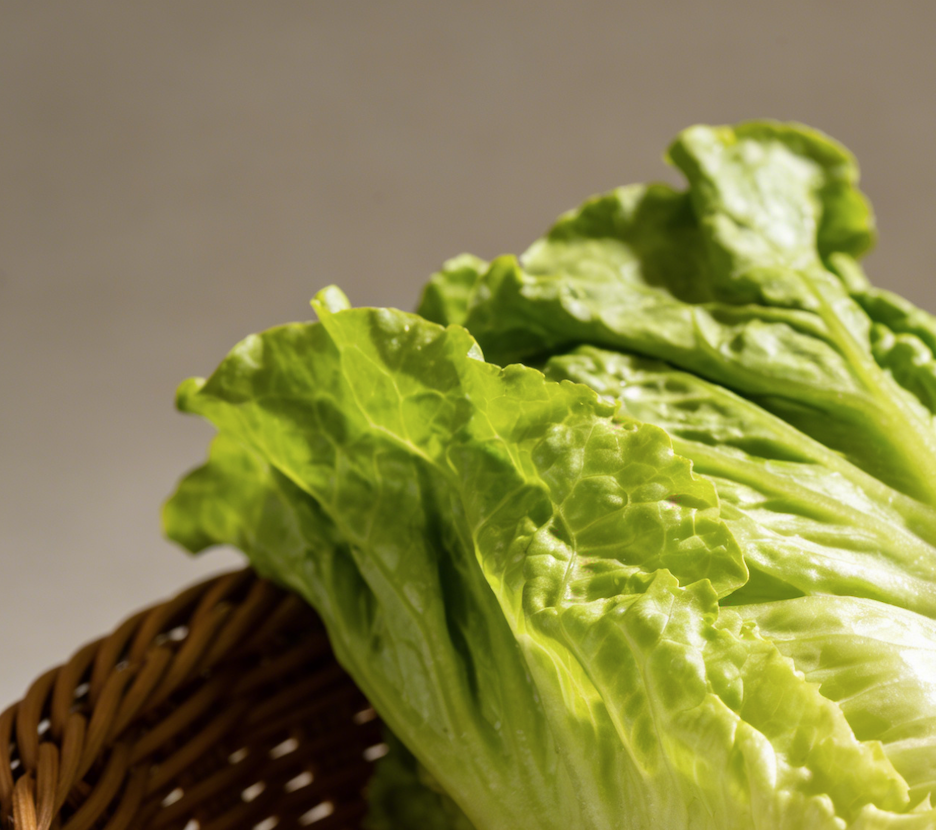
Lettuce helps lower blood pressure, blood sugar, and cholesterol: Nutritional analysis and two practical recipe recommendations
This article provides a detailed analysis of how lettuce, rich in various vitamins and dietary fiber, can help control high blood pressure, high cholesterol, and high blood sugar by promoting metabolism. It also offers two healthy recipes: lettuce with oyster sauce and lettuce with apple juice, to help you scientifically manage these issues in your daily diet.
2026-03-05