
Environment, Genetics, and Emotions: Unveiling the Hidden Causes and Prevention Strategies of High Blood Pressure
The doctor said he likely already had arteriosclerosis and hypertension. Although his blood pressure of 140/90 mmHg wasn't very high, his medical records showed a low baseline blood pressure of 90/60 mmHg. This meant his blood pressure was already 50/30 mmHg higher than normal. Combined with his high cholesterol, this slowed blood flow, causing ischemia and hypoxia in tissues and organs, especially the heart and brain, leading to a cerebral infarction, specifically blocking major blood vessels, thus endangering his life. Considering his headaches, abnormal blood pressure and cholesterol (physiological changes), his lack of rest from working for days (lifestyle changes disrupting his biological clock), and the impending success of his experiment (joy and happiness can excite the sympathetic nervous system, further increasing blood pressure), each individual factor combined to become the "murderer." Faced with this conclusion, people pondered for a long time, breathless, as if a stone was pressing on their chest. Our young and promising scientist was too careless, careless about those seemingly insignificant pathogenic factors.
Anger damages the liver; a father dies suddenly in front of his son. Five years ago, someone I knew suddenly passed away. Upon receiving the devastating news, I couldn't believe it, because just the day before, he had shared many insights about life with me, talked about his plans for work, and his expectations for his son… How could he be dead just a day later? Filled with questions, grief, and unfinished words, I rushed to the deceased's home to pay my respects. An acquaintance quietly pulled me aside and said, "It's all because of that son. He insisted on arguing with his father, and it drove his father to his death. Now he knows how to cry, where was he before!" It turned out that the father and son had a conflict over college application choices. The more they talked, the more hurtful their words became. Finally, the father, relying on his position, insisted that his son listen to him. The son resolutely refused, and something he said angered the father so much that he slammed his fist on the table. He had a history of high blood pressure, and as he shouted, his eyes widened, his hands trembled, and he couldn't speak. Seeing the situation was serious, the son quickly hailed a taxi with his mother, who had tried to break up the fight, and rushed her to the hospital. The doctor found her blood pressure alarmingly high; the mercury in the sphygmomanometer had reached the top. A CT scan revealed a large area of intracranial hemorrhage. Due to the extensive bleeding and the fact that the blood had entered the ventricles, she died despite resuscitation efforts. According to the doctor, intracranial hemorrhage caused by high blood pressure often results from the rupture of small arteries in the brain, often occurring on the basis of hypertension and cerebral arteriosclerosis. Precipitation often involves factors such as anger. This tragedy stemmed from blocked communication between father and son, and from the abnormal emotional fluctuations of those involved. This highlights the crucial importance of communication and emotional management for an individual's health and a family's well-being.
Shopping can also cause high blood pressure. Shopping is a common part of modern life, especially during long holidays like May Day and National Day, when shopping malls become popular destinations for leisure and shopping. From afar, the large red banners at the mall entrances proclaiming "Thousands of goods for you to choose from; browsing is a pleasure," further enticing people to hurry and browse floor by floor. The mall was packed with people on the holiday, and the jostling made Xiao Wang feel chest tightness and general discomfort. He told his wife, "Just buy what you need quickly, then we can go home as soon as we've bought it." His wife, who was busy with work every day, felt it was a rare treat to relax and wanted to enjoy a stroll. So they wandered from one counter to another. Xiao Wang, being very loving towards his wife, let her wander around the mall. Suddenly, Xiao Wang felt dizzy and unsteady on his feet. His wife quickly helped him sit on a chair in the lounge area. What was wrong? He was fine when they left, so why was he suddenly unwell? Just then, a health product company was holding a holiday free medical consultation and promotion, so Xiao Wang's wife helped him to the doctor's table. After the doctor's examination, it was discovered that Xiao Wang's blood pressure was high, 150/90 mmHg. The doctor said that if there were no other problems, then the dizziness and unsteadiness were caused by high blood pressure. The doctor's words made Xiao Wang and his wife quite suspicious. High blood pressure? No way! Xiao Wang, a physical education teacher, has always had normal blood pressure and no bad habits. His physical exam at school a few days ago was also normal. Despite her doubts, his wife took him out of the mall and to the hospital. At the hospital, the doctor's results were very different; his blood pressure had dropped to 130/80 mmHg. Xiao Wang's wife suspected the previous blood pressure measurement was inaccurate, but Xiao Wang said, "Whether it was accurate or not, I really felt terrible." The doctor noted that Xiao Wang regularly checked his blood pressure and advised him to rest. Back home, Xiao Wang felt no discomfort, and for several days in a row, his blood pressure was normal. Xiao Wang and his wife forgot about it. Later, Xiao Wang's cousin was getting married, and the couple went to the mall to buy a gift. To find a suitable gift, they went from mall to mall. While shopping, Xiao Wang felt palpitations, shortness of breath, dizziness, and headaches again. They didn't buy anything, and the couple went to the hospital again. The doctor examined them and found nothing abnormal except for slightly high blood pressure. After hearing the doctor's words, Xiao Wang's wife angrily retorted, "You get sick as soon as we go to the mall, but you're fine when we don't. Are you deliberately trying to cause me trouble?" Xiao Wang replied, feeling wronged, "Who's trying to cause you trouble? I just feel anxious, dizzy, and unwell as soon as I enter the mall." Having overheard their conversation, the doctor explained, "Shopping is enjoyable for women and a beneficial activity for their physical and mental health. It can relieve or release stress. However, for men, shopping itself doesn't have any negative effects. What causes the negative impact is the crowding caused by dense crowds. This crowding not only fails to release men's physical and mental stress but actually increases it. Studies have found that the stress caused by crowded shopping can increase men's heart rate and blood pressure."
Xiao Wang's high blood pressure falls into this category. Social psychologists have found that crowding in malls has a negative impact on health, and this negative impact is greater for men than women. The differences between men and women may be related to their different levels of socialization. Studies on the physiological arousal caused by crowding have shown that when 10 people are crammed into a small room for 30 minutes, measurements are taken, and men experience a more pronounced increase in heart rate and blood pressure than women. Other studies have found that when male participants are placed in crowded situations three times within three weeks, they all report feeling tense, anxious, irritable, with increased pulse and blood pressure. For men's health, women should be more attentive to their feelings when shopping. If they feel uncomfortable, consider alternative ways to relax. Alternatively, have men wait for you at a nearby bookstore or coffee shop, or have them do some housework while you, your children, and your girlfriend go shopping. Such arrangements are beneficial for both parties. Xiao Wang's wife listened to the doctor's advice and never let Xiao Wang accompany her shopping again; his blood pressure has never been high again.
Tip: Life is like a kaleidoscope, both vibrant and ever-changing. Life is also like a tangled mess, often with knots that are difficult to untangle. Whether it's the ever-changing nature of life or the seemingly insurmountable knots, we cannot act solely on our impulses. To cultivate the ability to calmly observe changes, the skill of persuading others with reason, the method of looking at problems from a different perspective, the ability to manage one's emotions, and suitable leisure activities will help avoid many unpleasant things and even tragedies. Therefore, controlling high blood pressure presents men with an additional risk factor compared to women—crowding can also affect blood pressure. Attentive wives should not forget to take care of their husbands! Is high blood pressure hereditary? "Both my parents have high blood pressure; will I inherit it?" Many young people have this concern. Dr. Kang answers: "Your concern is valid because genetic factors account for a certain proportion of the causes of hypertension. Experts have found in family studies that if both parents have normal blood pressure, the child's chance of developing hypertension is 3%; if both parents have high blood pressure, the child's chance is as high as 45%." This means that if your parents have high blood pressure, your chance of developing hypertension is about 50%. Etiological surveys support this statement; about half of hypertension patients have a family history. The fact that genetic factors account for such a large proportion of hypertension is truly worrying. While we cannot change the fact that our parents have inherited the hypertension gene, is there any way to prevent the disease from developing in us? This idea is very correct and feasible. Although the environment cannot change genetic predisposition, we can control the incidence of hypertension genes through environmental factors, minimizing the risk of developing the disease. Turning this idea into reality requires time and perseverance, as altering the influence of genes is not a quick process. Let's work together with doctors to prevent hypertension. Preventing high blood pressure should start with the following:
1. Regular blood pressure checks are the simplest and most reliable way to detect hypertension early.
2. Control weight gain and increase physical activity according to individual needs, location, and time. Physical exercise can improve blood vessel elasticity, reduce vascular resistance, and thus lower blood pressure.
3. Control salt intake. The World Health Organization (WHO) recommends that each person consume no more than 3-5 grams of salt per day. 4. Avoid excessive alcohol consumption and smoking. Experts have observed that ethanol in alcohol can raise blood pressure; however, people who drink very little alcohol may experience a decrease in blood pressure after six weeks.
5. Reduce stress responses and try to control your emotions in response to life's events. People under stress lack coping mechanisms, which can lead to elevated blood pressure.
6. Maintain a balance between work and rest, live an orderly life, and cultivate various hobbies to enrich your mind and spirit.
7. Love others and love yourself. Create a harmonious living environment and reduce hostility. In a sense, love is a skill that can regulate the body's internal environment and enhance immunity. Understanding the symptoms of hypertension is beneficial for early detection and treatment.
Generally, hypertension often presents with the following symptoms:
1. Dizziness, headache, head fullness, blurred vision, stiffness in the muscles at the back of the neck.
2. Dizziness, insomnia, vivid dreams, forgetfulness, palpitations, shortness of breath during exertion.
3. Dizziness, cold limbs, frequent urination at night, weakness in the legs, and erectile dysfunction in men. 4. Dizziness, flushed face, dry mouth, red eyes, constipation, etc.
Note: If your parents have a history of hypertension and you experience the above symptoms, your blood pressure may be high, and you should see a doctor for examination and diagnosis as soon as possible. Hypertension has a high hereditary tendency, but by raising our health awareness, establishing good lifestyle habits, and strengthening preventive measures, we can reduce the incidence of hypertension.
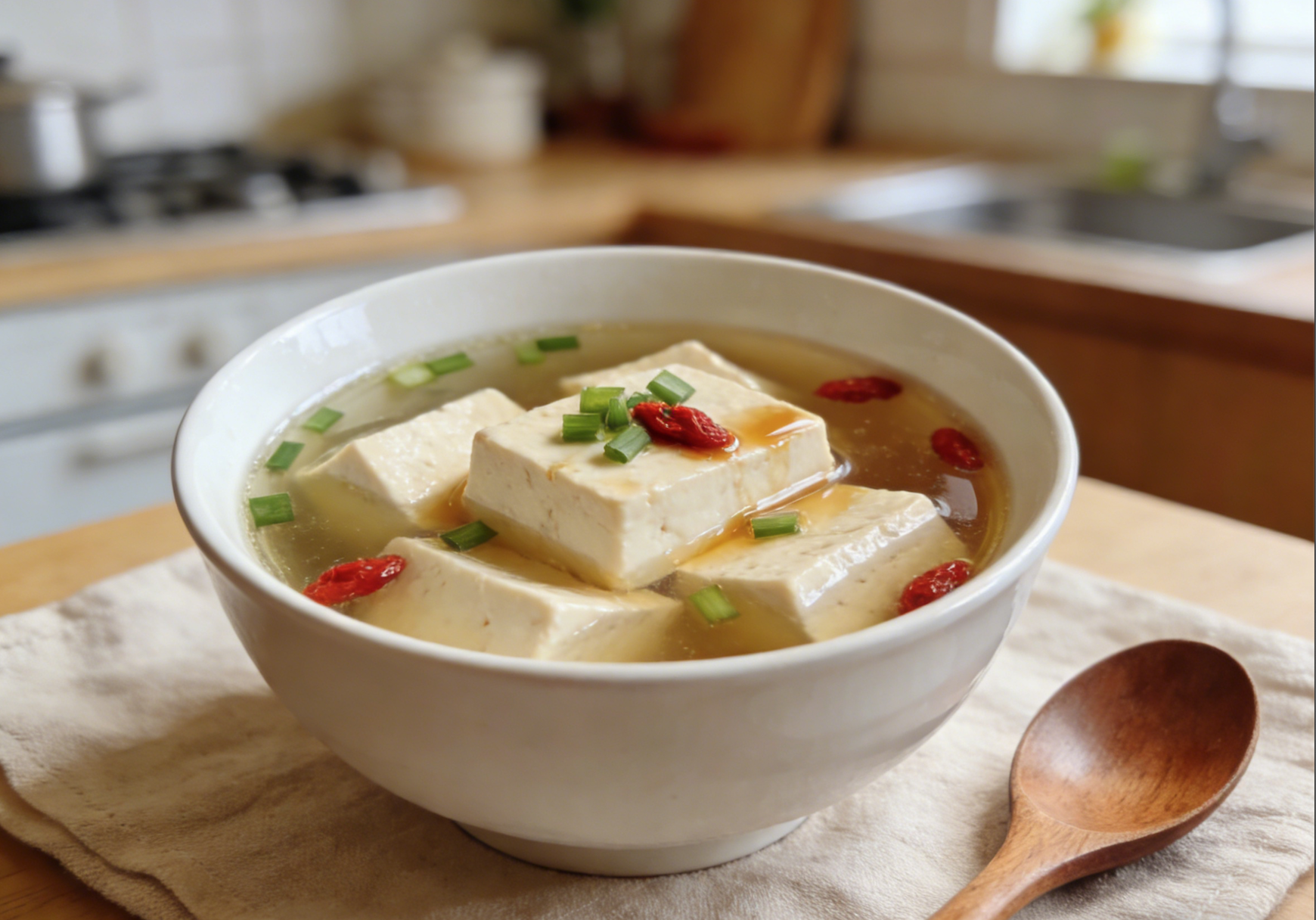
Four healthy recipes for people with high blood sugar to help manage high blood pressure, high cholesterol, and high blood sugar.
This article selects four healthy recipes for people with high blood sugar and the "three highs" (high blood pressure, high blood sugar, and high cholesterol), detailing the preparation methods and blood sugar-lowering effects of dishes such as stir-fried shredded pork with dried tofu and celery, and stewed turtle with corn silk. Through scientific dietary combinations, you can help manage your "three highs" and stabilize your blood sugar levels by incorporating delicious everyday foods.
2026-03-07
Detailed Explanation of Blood Lipids: Definition, Normal Range, and Comprehensive Analysis of Seven Influencing Factors
This article explains the definition of blood lipids in detail, including components such as cholesterol and triglycerides, and lists the normal ranges for various blood lipid indicators. It also systematically analyzes how seven major factors—genetics, diet, season, and emotions—affect blood lipid levels, helping you scientifically maintain blood lipid balance.
2026-03-09
A Complete Guide to Blood Lipid Measurement: Frequency, Procedures, and Key Points for Result Interpretation
This article details the correct frequency of blood lipid measurements for different population groups and the key preparatory steps before the test, guiding you on how to correctly interpret blood lipid test reports, avoiding common misinterpretations, and helping you to scientifically monitor and manage your blood lipid levels.
2026-03-09