
Crossing Age and Diagnosis: Prevention and Treatment Pathways and Scientific Medication Guidelines for Hypertension
Is blood pressure related to age? Does blood pressure increase with age? Does blood pressure rise with age? These questions are often discussed in casual conversation, reflecting increased health awareness and a growing interest in blood pressure and related scientific knowledge. Blood pressure refers to the lateral pressure of blood against the walls of blood vessels. It is formed by both the power of the heart's pumping action and the resistance of peripheral blood vessels. Problems in either or both will affect blood pressure. After physical maturity, bodily functions are relatively stable, and illness is rare. However, as we transition from youth to middle age or from middle age to old age, certain organs and tissues may experience some malfunctions, which are age-related. What is the relationship between elevated blood pressure and age? Medical data shows that in most parts of the world, the phenomenon of increased blood pressure with age is more pronounced in those who had high blood pressure in childhood. This means that if you had high blood pressure among your peers when you were young, you will likely still have high blood pressure in middle or old age. This phenomenon is known as the "trajectory" phenomenon.
The "trajectory" phenomenon has led the medical community to recognize that "hypertension prevention should begin in childhood." To prevent blood pressure from increasing with age, we must not only care about our own blood pressure but also the blood pressure of the next generation, reducing the occurrence of the "trajectory" phenomenon. Past urban and rural hypertension surveys in China have shown that the incidence of hypertension increases significantly from age 40. In urban areas, blood pressure rises significantly after age 35, while in rural areas, the increase is slower after age 40. The surveys also found that the Yi people living in the border area of Sichuan and Yunnan have almost no hypertension, and their blood pressure does not increase with age. However, Yi people who have migrated to more civilized areas show a trend of increased blood pressure. This phenomenon is not unique to China; it has also been observed globally among isolated and primitive populations, such as the indigenous communities of Brazil and the Papua New Guinea in the western Pacific. It seems that the more civilized the lifestyle, the higher the incidence of hypertension. This is an issue that people should explore and prevent, indicating that increasing blood pressure with age is not absolute. Blood pressure increases with age, reflecting that older people are more likely to have hypertension, not that blood pressure always increases with age. Studies have also found that the incidence of hypertension in Chinese women before age 35 is lower than in men of the same age, but after age 35, the incidence is higher. The incidence of hypertension increases significantly, especially during menopause. Caring for women, especially wives, is something men today cannot neglect. When buying cosmetics or clothes for their wives, they should remember to check their blood pressure. Health is more important than appearance. As mentioned earlier, two factors affect blood pressure: the heart's pumping power and vascular resistance. When a person is older, around 60 years old, and their blood pressure remains consistently high, or if three separate measurements on different days show blood pressure exceeding 130-139 mmHg/85-89 mmHg, hypertension should be considered. People often say, "I'm far from 60." Those who say this forget that many diseases are now affecting younger people, just like the advertising slogan says, "30 years old, 60-year-old heart." And let's add, "30 years old, 60-year-old blood vessels." Many young people now rely on cars for transportation, high-calorie fast food instead of simple meals, and watching TV and going to bars instead of exercising. These unhealthy lifestyles accelerate arterial disease—arteriosclerosis. Arteriosclerosis was originally a disease of the elderly, but now many young people are developing it prematurely. Arteriosclerosis increases peripheral resistance and raises blood pressure. Frequent consumption of various beverages increases the burden on the kidneys, reducing their ability to excrete sodium, and causing abnormal metabolism of other vasoconstrictive substances (norepinephrine, serotonin, etc.), all contributing to high blood pressure.
Data suggests that people over 40 years old have a 3-4 times higher prevalence of hypertension than those aged 15-39, indicating that the incidence of hypertension increases with age. High blood pressure with age is a tendency, not an absolute one. With proper preventative measures, blood pressure can remain stable even in old age. Note: High blood pressure is no longer exclusive to middle-aged and elderly people. Young people with frequent social gatherings, little exercise, and stress are also prone to developing high blood pressure. Middle-aged and young adults are in a period of rapid development for high blood pressure, so young people should actively fight against it and not wait until symptoms become severe before taking action. What to do if your blood pressure is high? Many people now understand the importance of preventing high blood pressure and regularly measure their blood pressure. Prevention is key, but panic often arises when high blood pressure is detected, leaving people unsure what to do. Don't panic if you're diagnosed with high blood pressure: 1. First, confirm that your blood pressure is indeed elevated. Before a diagnosis, do not take any medication, especially not the medication your parents use to treat high blood pressure. High blood pressure has different causes and requires different medications; what works for others may not work for you. It's best to get a proper diagnosis at a reputable hospital with comprehensive medical expertise. 2. After diagnosis, follow your doctor's instructions for treatment. Unlike nutritional supplements, medications for hypertension cannot be taken and stopped at will. They must be taken regularly and in prescribed doses according to the prescribed course of treatment to reduce the occurrence of side effects and adverse reactions. Currently, there are six commonly used classes of antihypertensive drugs:
(1) Diuretics;
(2) Beta-blockers;
(3) Angiotensin-converting enzyme inhibitors;
(4) Calcium channel blockers;
(5) Alpha-blockers. Please consult your doctor to determine which type of medication is suitable for you. Do not rely on advertisements or buy medication on your own to avoid waste or incorrect medication use. According to medical research, there is currently no cure for hypertension. Do not believe advertisements on roadside utility poles. In the treatment of hypertension, doctors have also found that sometimes a patient's perception of their blood pressure does not match their actual blood pressure level. Therefore, it is essential to adhere to the doctor's instructions and not stop taking medication simply because you think your blood pressure is not high. Once diagnosed with hypertension, do not be anxious. With treatment, if your 24-hour blood pressure remains stable below 140/90, it can protect your heart, brain, and kidneys from damage, thus maintaining your health. 3. In addition to medication, non-pharmacological measures should also be taken. Here are ten main measures:
(1) Overweight individuals should lose weight. There are many ways to lose weight, the simplest and most applicable being limiting calorie intake or increasing physical labor;
(2) Limit salt intake, controlling daily salt intake to 3-4 grams, and eating less or no pickled foods;
(3) Quit smoking, limit alcohol consumption, and eat less high-calorie foods;
(4) Do more aerobic exercise, such as walking, jogging, swimming, cycling, etc.;
(5) Learn a humorous way of dealing with people, always knowing how to save face, which will stabilize emotions and blood pressure;
(6) Work moderately, combining work and rest. Performance is important, but so is blood pressure;
(7) Soak your feet in water around 40 degrees Celsius before bed every night, which is beneficial for lowering blood pressure. Also, ensure 7-8 hours of sleep each day;
(8) If possible, learn calligraphy and painting for health and self-cultivation;
(9) Maintain moderate sexual activity;
(10) Pay attention to personal hygiene, and wear loose and comfortable clothing.

Guidelines for the Prevention of Type 2 Diabetes in Children: Scientific Management of Blood Glucose and Weight
This article introduces methods for preventing type 2 diabetes in children, emphasizing the importance of stabilizing blood sugar levels through obesity control, a balanced diet, and exercise. Family involvement and early intervention are crucial in helping children establish healthy lifestyle habits, effectively manage blood sugar, and reduce the risk of developing diabetes.
2026-03-10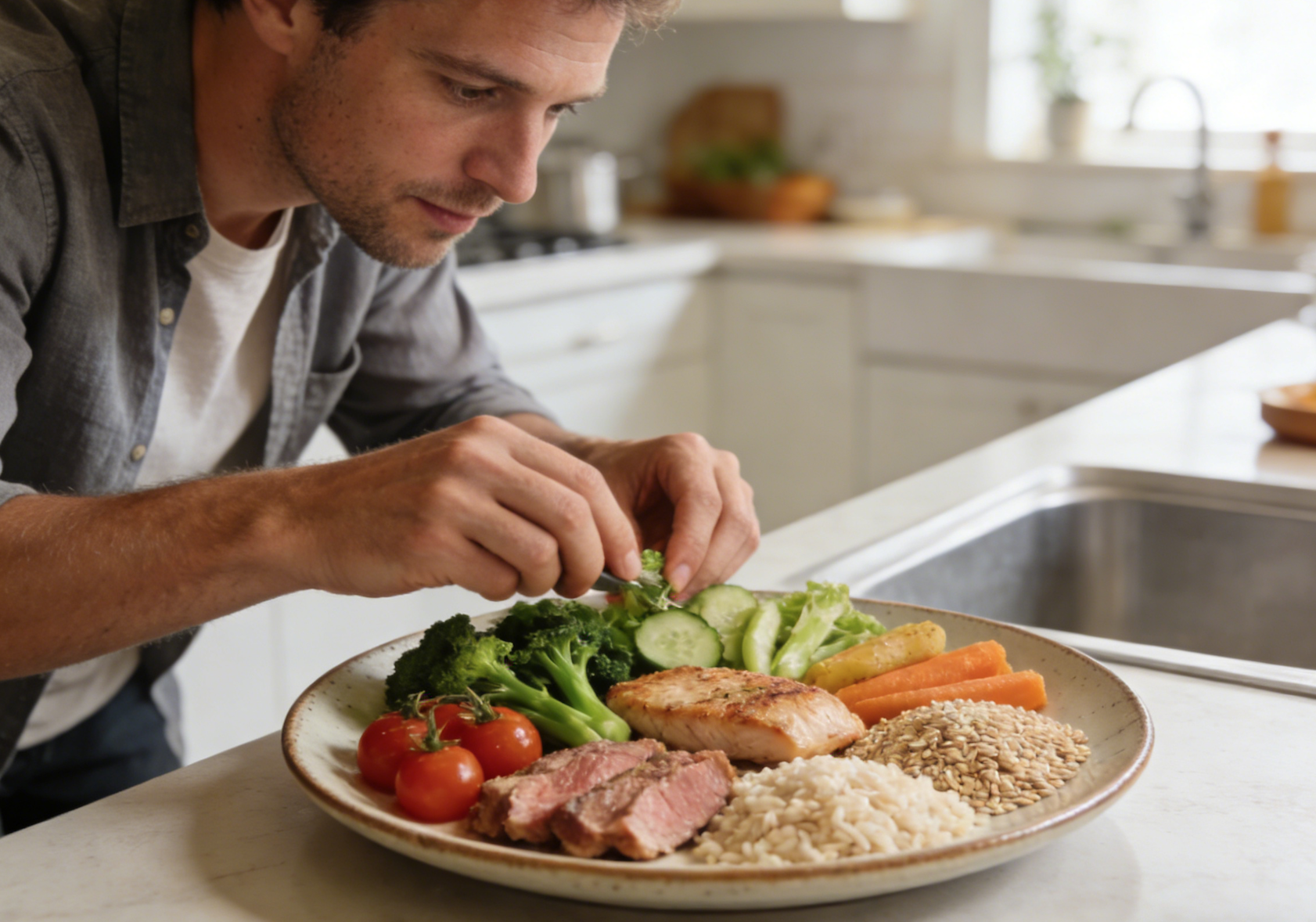
Scientific Blood Sugar Control and Prevention of Complications: A Guide to Kidney and Eye Protection for Diabetic Patients
This article details strategies for preventing kidney and eye complications in diabetic patients. It covers key measures such as avoiding kidney-damaging medications, a low-sodium diet, and regular checkups, emphasizing that stable blood sugar is crucial to helping patients reduce the risk of complications through effective blood sugar management.
2026-03-10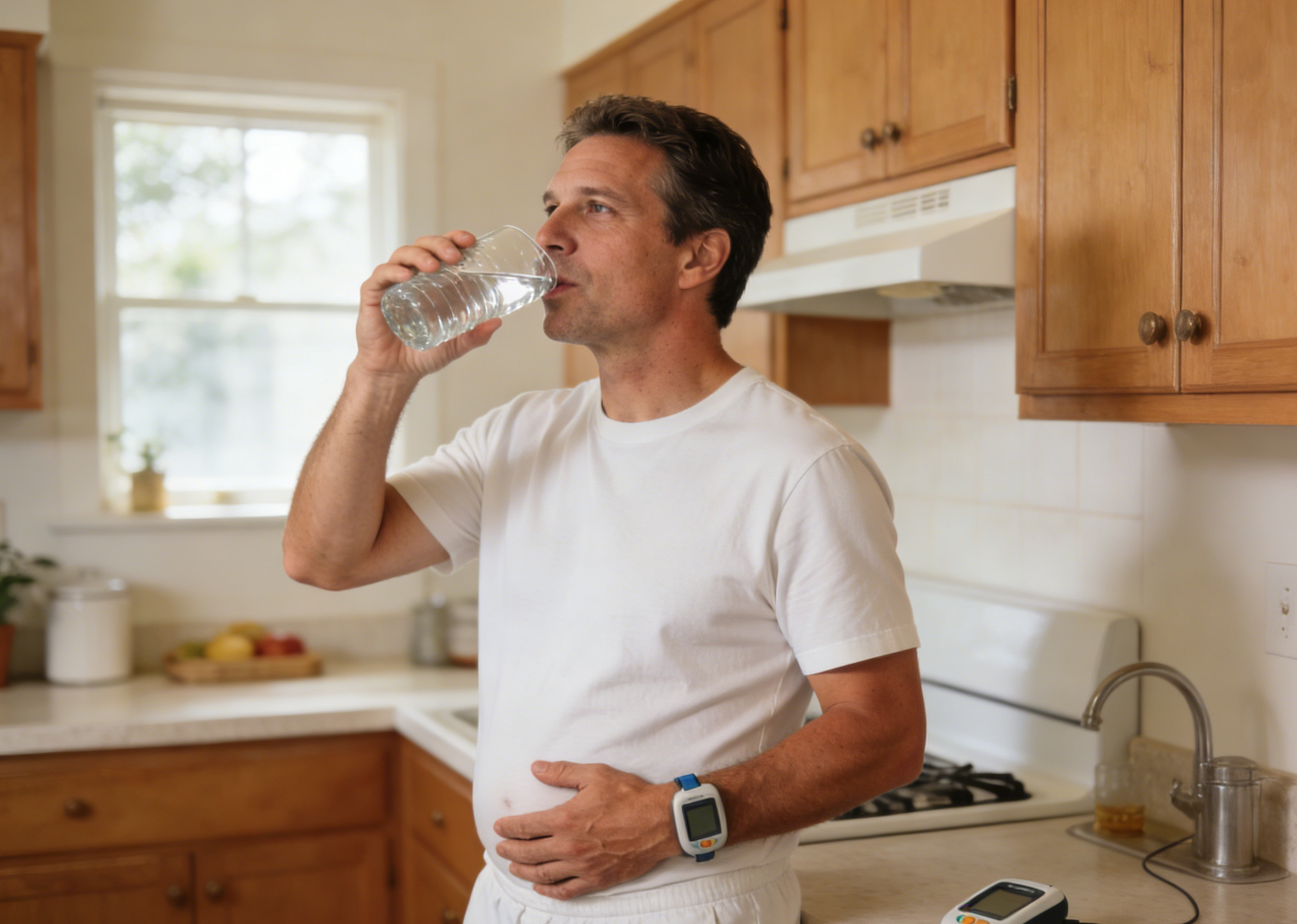
Core blood glucose management for preventing diabetic ketoacidosis and cerebrovascular disease
This article details methods for preventing two serious complications of diabetes—diabetic ketoacidosis and cerebrovascular disease. The core principle is strict blood glucose management, avoiding arbitrary discontinuation of medication, and intensified monitoring. By stabilizing blood glucose levels, combined with blood pressure and lipid control, and maintaining healthy lifestyle habits, the risk of complications can be effectively reduced.
2026-03-10