
A Complete Guide to Blood Lipid Measurement: Frequency, Procedures, and Key Points for Result Interpretation
How to Measure Blood Lipids
People over 20 years old should have their blood lipids checked every 2 years; men over 40 years old and postmenopausal women should have their blood lipids checked annually; those with a family history of high blood lipids should have their first check-up earlier.
Two weeks before the test, maintain a normal diet. Avoid alcohol and strenuous exercise for 24 hours before the test. Do not eat after 8 pm the night before the test. On the morning of the test, fast (you can drink water and take medication). Rest quietly for 5 minutes before blood collection. Those taking diuretics, birth control pills, hormones, or other medications that affect lipid metabolism should inform their doctor beforehand.
Due to differences in testing methods and laboratory conditions among different hospitals, the normal values for various test indicators may not be exactly the same. Generally, the test report will indicate the normal reference values. You can compare your indicators with the normal reference values to get a general understanding of your blood lipid level. Also, please note the following two points:
● An abnormal test result does not necessarily mean high blood lipids.
Blood lipid levels themselves have significant seasonal variations and biological fluctuations, and the menstrual cycle and accompanying diseases can all affect the test results. Therefore, if abnormalities are detected, a follow-up test should be conducted in 2-4 weeks to determine if treatment is necessary.
● Normal blood lipid levels may still require lipid-lowering treatment. Judging the need for lipid-lowering treatment solely based on the normal range on a lab report is insufficient. It is best to consult a cardiovascular specialist before deciding on treatment.
Blood lipids generally refer to total cholesterol and triglycerides in blood plasma. Different components of total cholesterol represent different meanings. For example, low-density lipoprotein cholesterol (LDL-C) is the most abundant component of total cholesterol and is a major factor leading to atherosclerosis and cardiovascular disease; while high-density lipoprotein cholesterol (HDL-C), although present in smaller amounts, has a role in resisting atherosclerosis. Therefore, simply looking at total cholesterol levels is incomplete; it is best to measure both HDL-C and LDL-C simultaneously.
Lipoproteins are complexes formed by cholesterol and triglycerides binding to proteins in blood plasma. Plasma lipoproteins mainly include four types: chylomicrons, low-density lipoproteins (LDL-C), very low-density lipoproteins (VLDL-C), and high-density lipoproteins (HDL-C). Proteins bound to blood lipids are called apolipoproteins. Apolipoproteins not only play a decisive role in the metabolism of plasma lipoproteins, but also have a significant impact on the occurrence and development of atherosclerosis.

Detailed Explanation of Blood Pressure Fluctuation Patterns and Correct Measurement Methods
This article details the natural fluctuations in blood pressure throughout the seasons and between day and night, explaining why blood pressure rises in winter and peaks in the morning. Understanding these fluctuations helps you monitor your blood pressure scientifically, avoid misinterpretations based on a single measurement, and master the correct measurement methods.
2026-03-06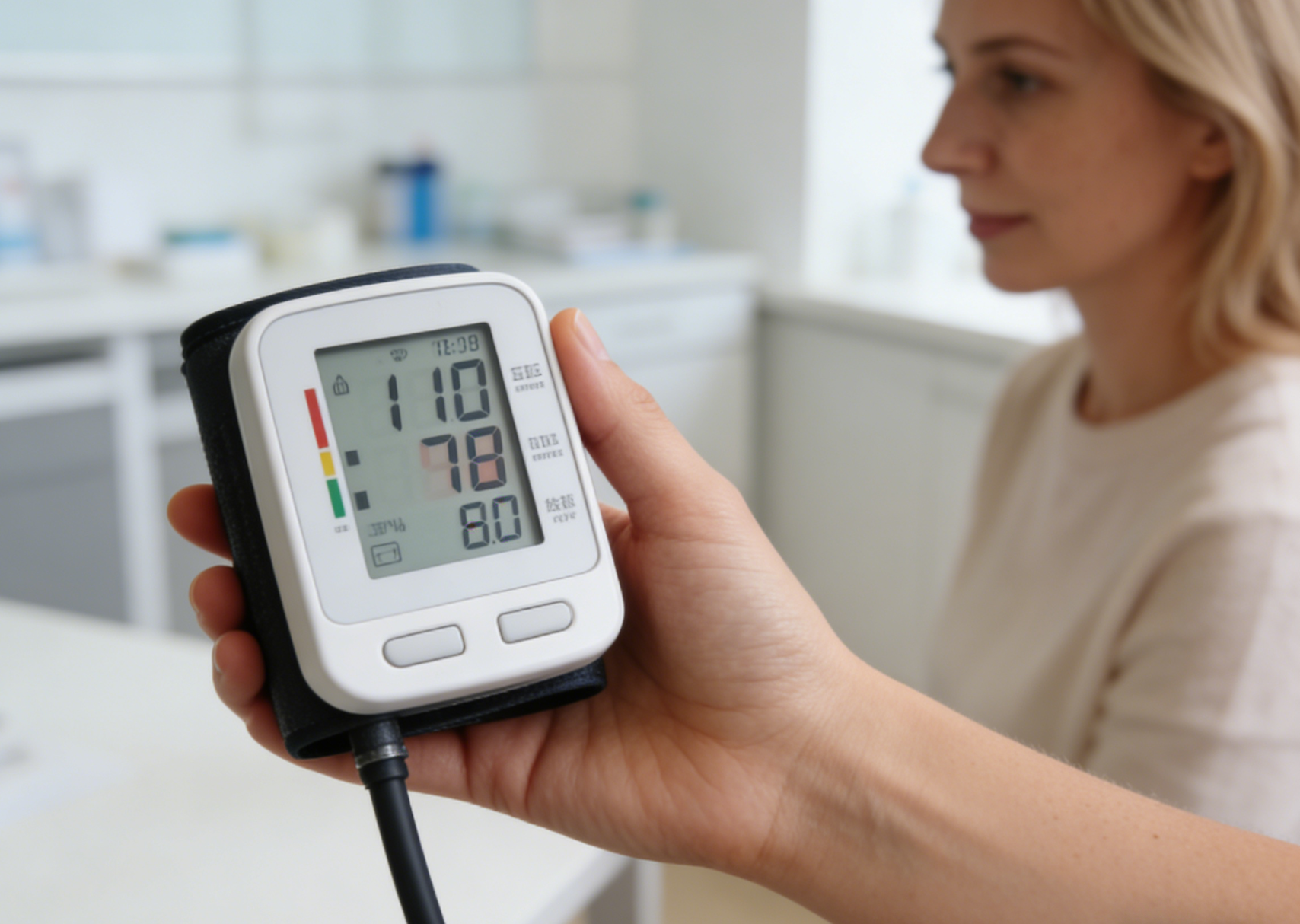
Detailed Explanation of the Correct Steps and Key Precautions for Measuring Blood Pressure
This article details the principles and key steps of blood pressure measurement using a cuff, including cuff selection, environmental preparation, patient positioning, and proper inflation and deflation techniques. Mastering these points ensures accurate and reliable blood pressure measurements each time, providing a valid basis for health monitoring.
2026-03-07
Detailed Explanation of the Definition of Hypertension and Analysis of its Seven Key Contributing Factors
This article elaborates on the definition of hypertension, clarifying the normal and elevated blood pressure ranges based on World Health Organization standards. It also systematically analyzes seven key contributing factors to elevated blood pressure, including genetics, obesity, smoking, and alcohol consumption, helping you comprehensively understand the causes of hypertension and effectively prevent it.
2026-03-07