
A comprehensive guide to treating hypertension in women: Blood pressure management from menstruation to menopause.
Details of Hypertension Treatment
Characteristics of Hypertension in Women:
While hypertension affects both sexes, its characteristics in women differ significantly from those in men. Understanding these differences is highly beneficial for prevention and treatment.
Generally, the onset of hypertension is closely related to genetics, environment, and unhealthy lifestyles such as a high-salt diet, excessive alcohol consumption, a diet high in meat, stress, and lack of sleep. However, due to physiological reasons, women are also affected by factors such as menstruation and childbirth:
(1) The earlier the age of menarche, the greater the likelihood of developing hypertension. Obese women often experience menarche earlier, which is a key reason why this group is more prone to hypertension.
(2) The more pregnancies a woman has, the higher the chance of developing hypertension; the younger the age at first childbirth, the greater the risk of hypertension.
(3) Oral contraceptives can cause elevated blood pressure. Women who have taken oral contraceptives for more than two years have a 2-5 times higher risk of elevated blood pressure than those who do not take them. This is especially true for obese women, those with diabetes, hyperlipidemia, and a family history of hypertension.
Several Stages Most Prone to Hypertension
Throughout a woman's life, the following periods are most susceptible to hypertension:
Some women experience anxiety, irritability, depression, and fatigue a few days before menstruation, which disappear during menstruation. This is medically known as premenstrual tension syndrome and can easily lead to elevated blood pressure. There are two reasons for this: firstly, fluid and salt retention in the body, coupled with an increase in a substance called angiotensin, causes elevated blood pressure; secondly, it is due to mental stress, leading to autonomic nervous system dysfunction and elevated blood pressure.
For this situation, appropriate salt restriction, judicious use of small doses of diuretics and sedatives, maintaining a cheerful mood, and avoiding mental stress can help maintain stable blood pressure.
Hypertension that occurs during pregnancy is medically known as gestational hypertension syndrome, or pre-eclampsia. It can manifest as edema, hypertension, and proteinuria; in severe cases, it can lead to convulsions and coma, and even cause heart failure, kidney failure, or cerebral hemorrhage.
For this situation, it is essential to conduct thorough pre-marital and prenatal examinations and maternal and child health care during pregnancy. If any problems are found, timely hospitalization and treatment should be sought to avoid serious consequences. Most women begin to experience symptoms such as facial flushing, sweating, dizziness, insomnia, palpitations, irritability, and elevated blood pressure around the age of 45. Medically, this is known as menopausal hypertension and is one of the symptoms of menopausal syndrome. This condition is characterized by predominantly elevated systolic blood pressure and significant blood pressure fluctuations, which may return to normal after menopause ends.
For this condition, hormone therapy should be considered under the guidance of a doctor, taking into account the severity of the symptoms, the patient's health status, and mental state.

How to assess the effectiveness of lipid-lowering medications: Lipid management standards and safety guidelines.
This article introduces the criteria for evaluating the effectiveness of lipid-lowering medications, including their effects on blood lipid levels, their role in reducing cardiovascular risk, and safety assessments. It helps patients understand how to scientifically evaluate whether lipid-lowering treatment is effective, emphasizes the need for long-term adherence to treatment for high cholesterol, and identifies specific groups for whom cholesterol-lowering treatment is not recommended.
2026-03-12
Four important precautions and long-term monitoring guidelines for taking lipid-lowering medications.
This article details four crucial aspects that patients with hyperlipidemia must consider when taking lipid-lowering medications: risk-based medication selection, choosing the right medication, appropriate dosage, and the importance of not discontinuing medication without consulting a doctor. It emphasizes the importance of long-term, standardized treatment and regular monitoring of blood lipid levels and liver and kidney function to safely and effectively manage blood lipid levels and prevent cardiovascular disease.
2026-03-12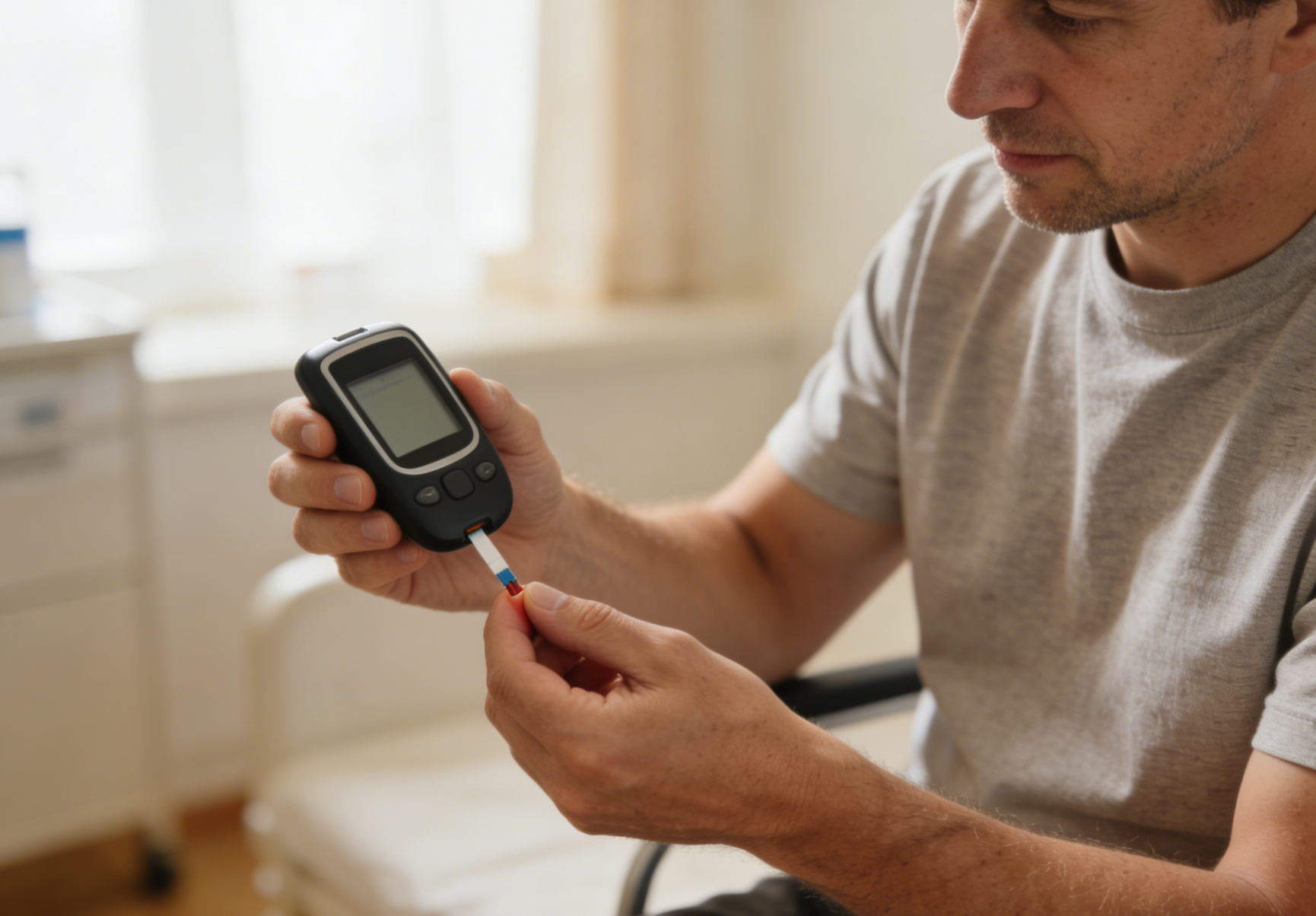
A comprehensive analysis of diabetes complications: From testing to prevention and blood sugar management.
This article provides a detailed explanation of the types and diagnostic methods of diabetic complications, focusing on the symptoms and management of acute complications such as diabetic ketoacidosis. It emphasizes that long-term, stable blood sugar control is crucial for preventing complications and offers systematic blood sugar management strategies to help diabetic patients effectively reduce health risks.
2026-03-11